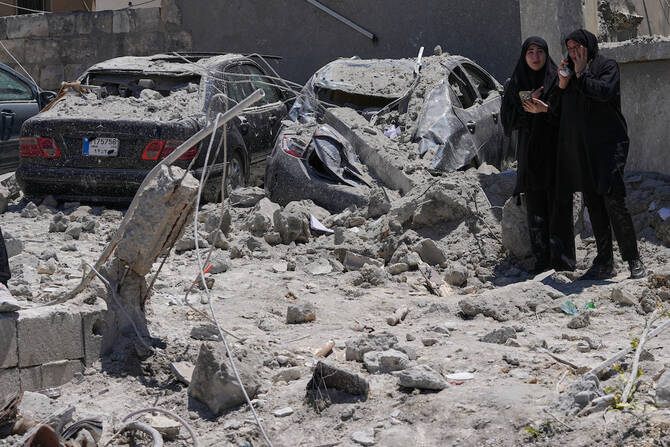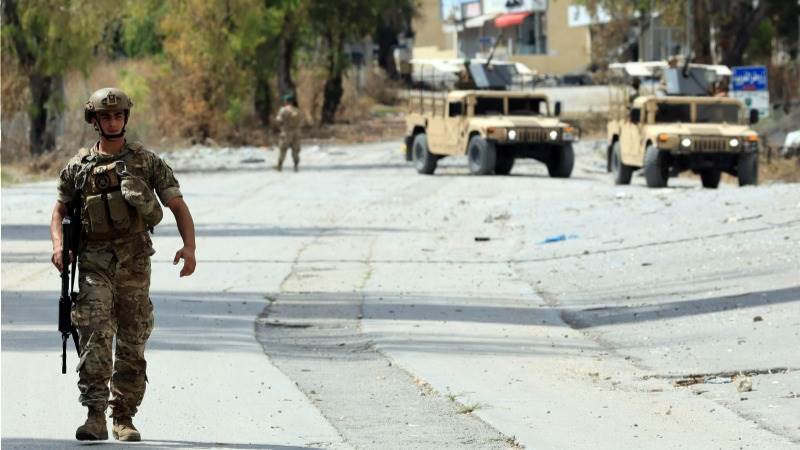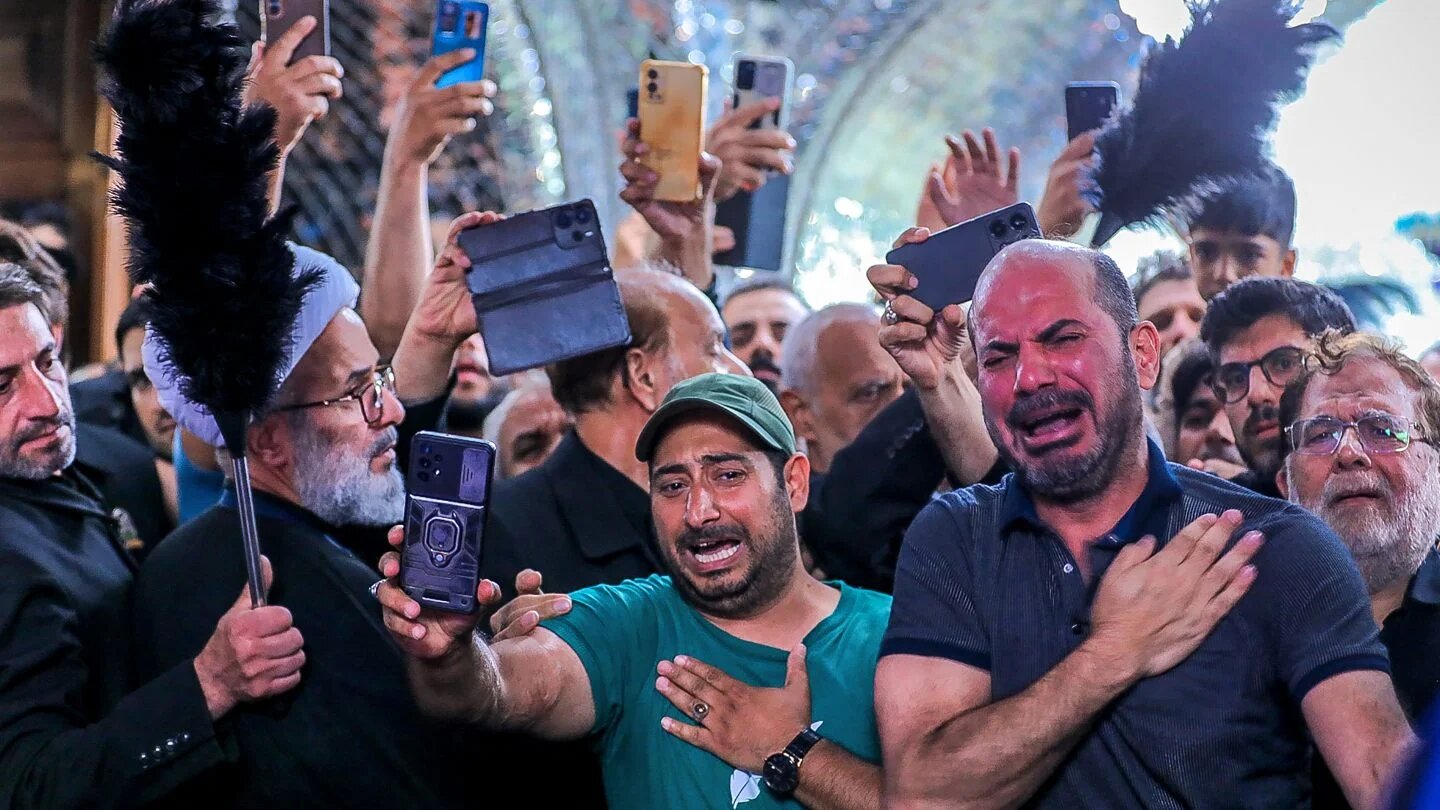
At least seven individuals sustained injuries after Israeli air strikes targeted the southern Lebanese town of al-Mansouri. The strikes occurred in south Lebanon, a region that has experienced heightened tensions and frequent military engagements. The exact timing of the air strikes was not immediately specified, though reports indicate they took place recently. The wounded individuals received immediate medical attention following the incident, noting the urgent response required in such volatile situations. Israeli forces conducted the strikes, though the immediate reasons for the operation were not detailed in initial reports. The attack on al-Mansouri marks another instance of military action in the sensitive border area between Lebanon and Israel, contributing to a pattern of escalating hostilities. The incident has drawn attention to the precarious security situation along the border, raising concerns about potential wider repercussions.
Casualties and Damage
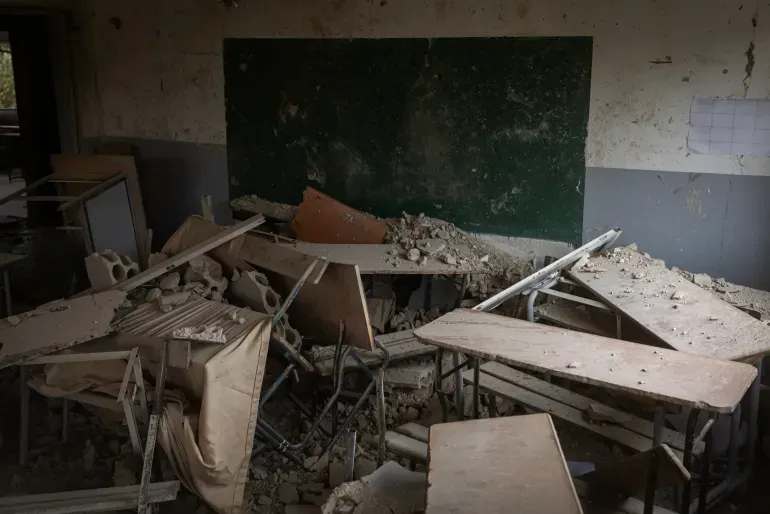
Five of the individuals injured in the Israeli air strikes on al-Mansouri were transported to hospital for treatment, showing the severity of their injuries. Medics provided care for two others at the scene of the incident in south Lebanon, according to reports from the area, indicating that their conditions did not necessitate immediate hospitalisation. The total number of wounded individuals stands at seven, all of whom sustained injuries during the military action. The strikes caused damage in the targeted area, though the extent of the structural impact was not immediately detailed. Preliminary assessments suggest varying degrees of destruction to properties and infrastructure. The focus remained on the immediate medical response to those affected by the overnight operation, ensuring that all casualties received necessary care. Authorities are assessing the full scope of the incident's aftermath, including a full evaluation of the damage and its impact on local residents.
Escalation and Ceasefire Violations
Israeli warplanes have repeatedly struck al-Mansouri throughout the day, marking a significant escalation in the ongoing cross-border hostilities. The sustained aerial bombardment of the southern Lebanese town follows earlier reports of seven individuals wounded in previous Israeli air strikes in the same area, indicating a continuation of military pressure. This continued military activity contributes to the rising tensions observed in south Lebanon, a region already grappling with instability. The repeated strikes suggest a deliberate and prolonged operation by Israeli forces, targeting locations within the Lebanese territory. Such actions have routinely drawn condemnation from Lebanese authorities, who view them as violations of their sovereignty and international law. These military operations are seen as a serious breach of international norms and agreements. The frequent engagements in the border region have heightened concerns among international observers about the potential for a broader conflict to erupt, with calls for de-escalation becoming more urgent.
Regional Implications
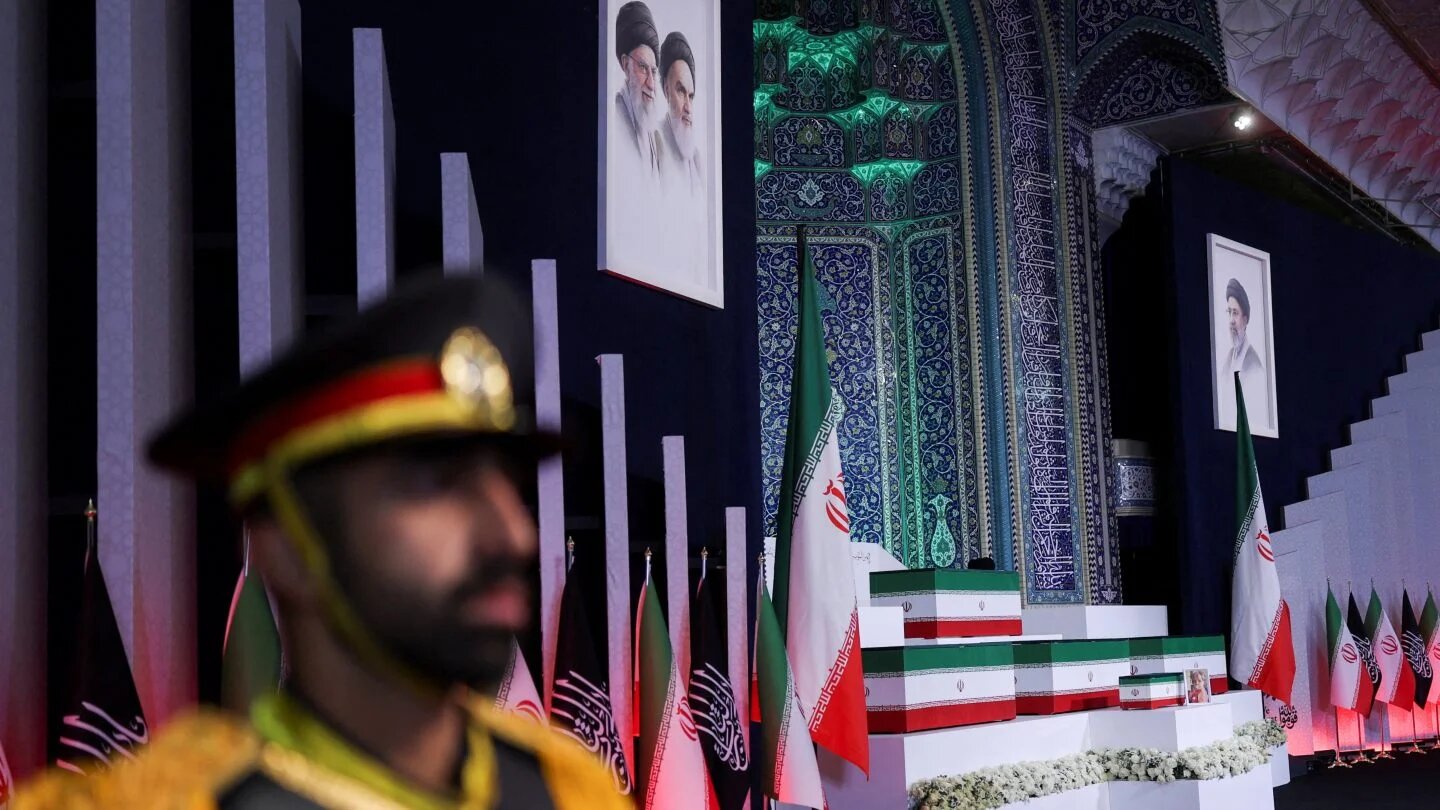
The recent Israeli air strikes, which wounded seven individuals in the southern Lebanese town of al-Mansouri, are in violation of a ceasefire agreement. The agreement, intended to de-escalate regional tensions, was reportedly reached between the United States and Iran, noting the involvement of major international powers in regional stability efforts. Military actions like those in al-Mansouri raise significant concerns about the stability of any existing understandings between key regional and international actors, potentially undermining diplomatic achievements. The ongoing hostilities in south Lebanon continue to test the limits of such arrangements, potentially undermining diplomatic efforts aimed at reducing conflict in the broader Middle East. The disregard for established agreements complicates efforts to foster peace and security in the region. These developments show the fragility of the security situation along the Lebanon-Israel border and its potential impact on wider regional dynamics, threatening to unravel carefully constructed diplomatic frameworks. The international community watches closely as the implications of these actions unfold.