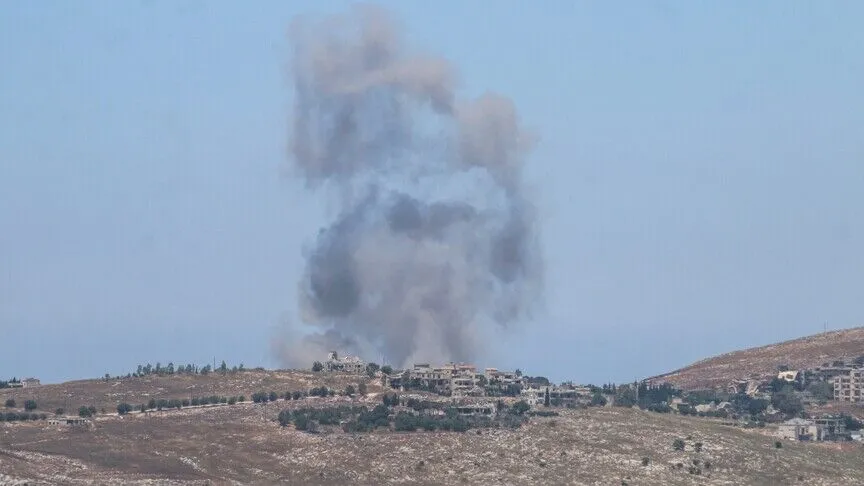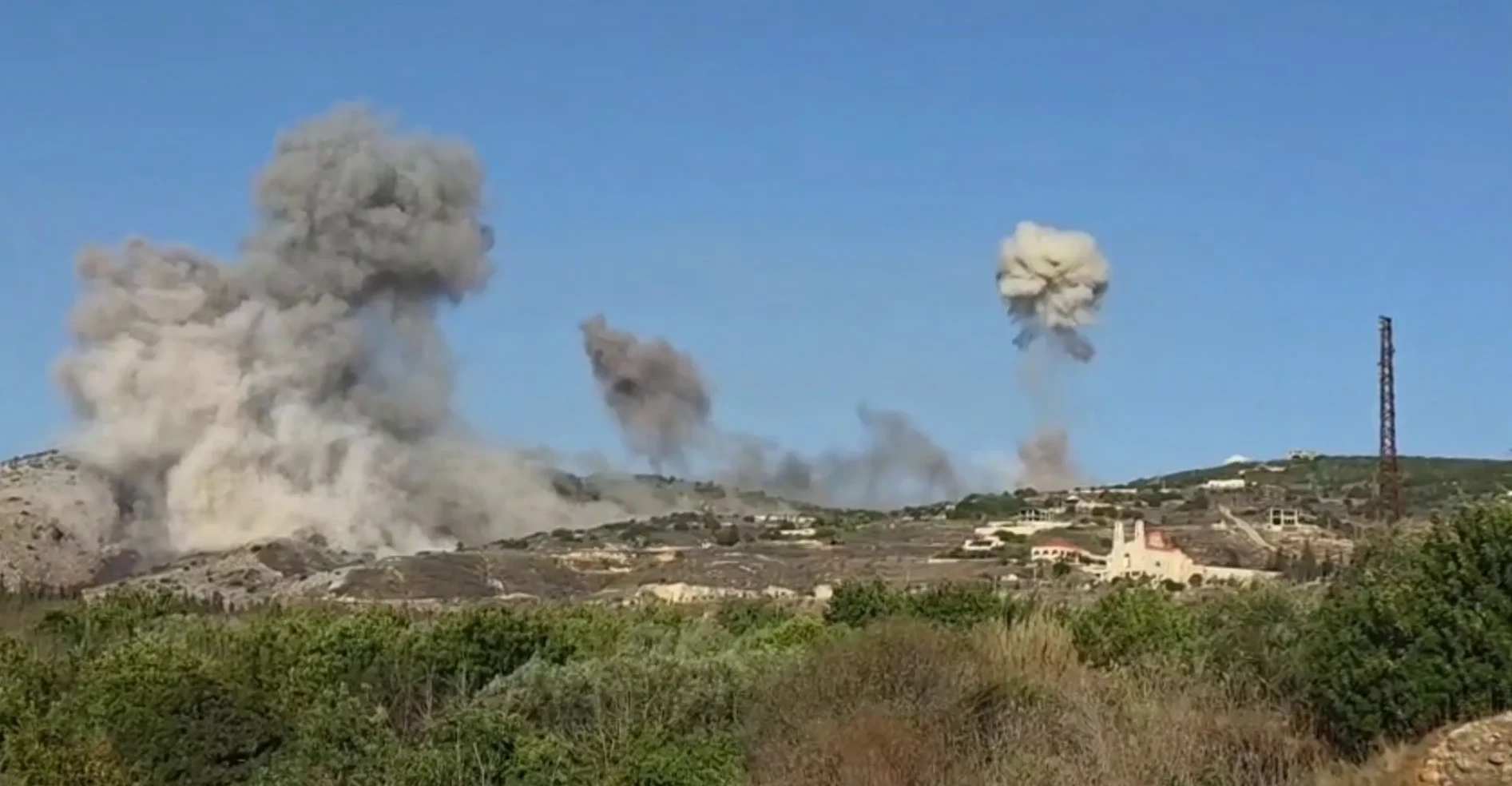
The Israeli military launched a fresh wave of airstrikes in southern Lebanon on Saturday, injuring seven people in the town of al-Mansouri. The strikes occurred as international efforts continued for a ceasefire in the broader region, showing the fragile security situation despite diplomatic initiatives. The incident in al-Mansouri notes the ongoing volatility along the border and the immediate human cost of the continuing conflict.
Escalation in Southern Towns
The recent military actions included multiple incidents across various locations. Three Israeli airstrikes specifically struck al-Mansouri, a town located in the Tyre district, causing the reported injuries and damage. This concentrated attack on al-Mansouri marked a significant event in the day's operations.
Separately, Israeli forces conducted destructive actions in the town of Houla, situated in the Nabatieh district, where they blew up homes. These demolitions contribute to the displacement and hardship experienced by residents in the border communities. Further operations involved a drone strike conducted by Israeli forces on Kfar Tebnit, indicating the variety of aerial assets being deployed in the region.
In the border town of Khiam, Israeli troops initiated fires that subsequently spread to several homes, causing additional destruction to civilian property. Alongside these incendiary actions, they also carried out extensive machine-gun fire in the area during these operations, suggesting a broad and sustained military presence and engagement. These actions collectively paint a picture of widespread military activity impacting numerous Lebanese towns and their inhabitants.
Context of Occupation and Casualties
The recent attacks are set against a backdrop of significant casualties and an enduring Israeli military presence in Lebanese territory. Since March 2, Israeli attacks on Lebanon have resulted in the deaths of more than 4,300 people, a stark figure that illustrates the severe impact of the ongoing hostilities. During the same period, over 12,200 individuals have sustained injuries from these attacks, noting the extensive human toll beyond fatalities. These numbers show the persistent danger faced by civilians in southern Lebanon.
Israeli forces maintain their occupation of areas seized during the 2023–2024 war, establishing a presence inside Lebanese territory. This occupation extends significantly beyond the internationally recognized border, as Israeli forces have advanced more than 10 kilometers beyond the border into Lebanon. This territorial encroachment is a major point of contention and a source of ongoing instability, contributing to the cycle of violence and retaliation. The continued occupation complicates efforts to achieve a lasting peace and secure border.
Ceasefire Agreement Under Strain
The latest military actions come at a critical juncture for diplomatic efforts. Lebanon and Israel signed a US-sponsored framework agreement last month, intended to end hostilities between the two nations. The agreement aimed to establish a mechanism for de-escalation and a pathway toward a more stable security situation in the border region. This diplomatic effort followed a period of heightened tensions and cross-border exchanges, reflecting the urgent need for a structured approach to managing the conflict.
The framework sought to provide a structured approach to addressing the underlying issues contributing to the conflict and to prevent further escalation. Both countries had engaged in negotiations facilitated by the United States to reach this accord, indicating a shared, albeit fragile, desire for a resolution. The agreement represented a significant diplomatic undertaking to formalize a pause in the ongoing clashes and to lay the groundwork for future stability. However, the recent Israeli airstrikes and ground operations, particularly those causing civilian injuries and property damage, place considerable strain on this nascent ceasefire agreement. The continuation of military actions on Saturday shows the challenges in implementing and maintaining the terms of the agreement, raising concerns about its long-term viability amidst persistent cross-border violence.