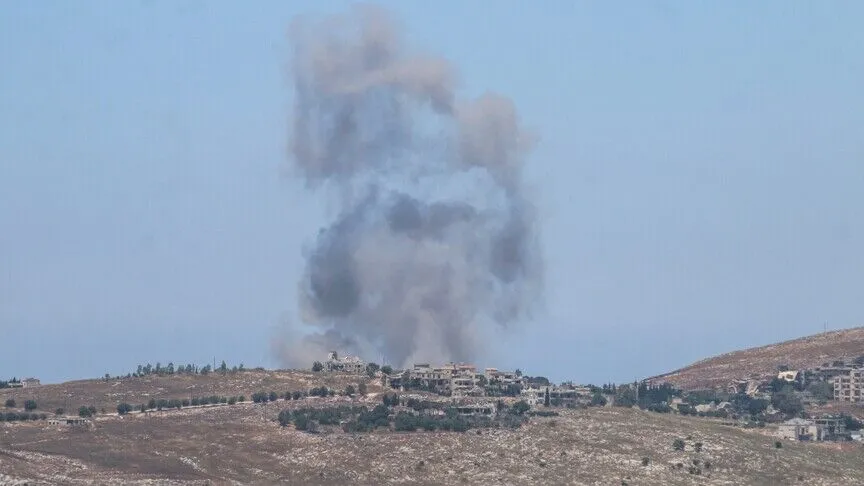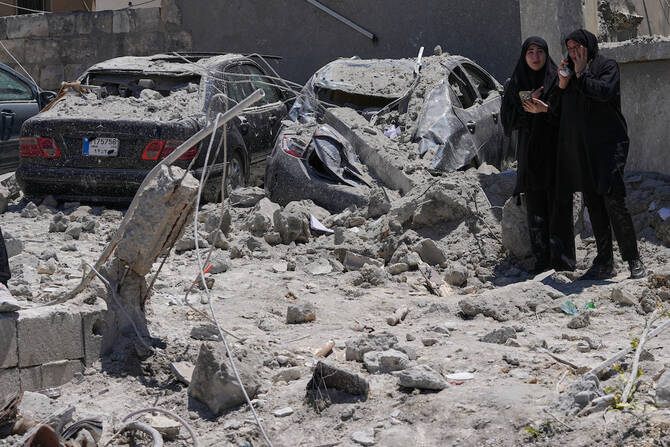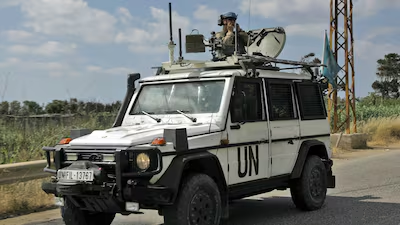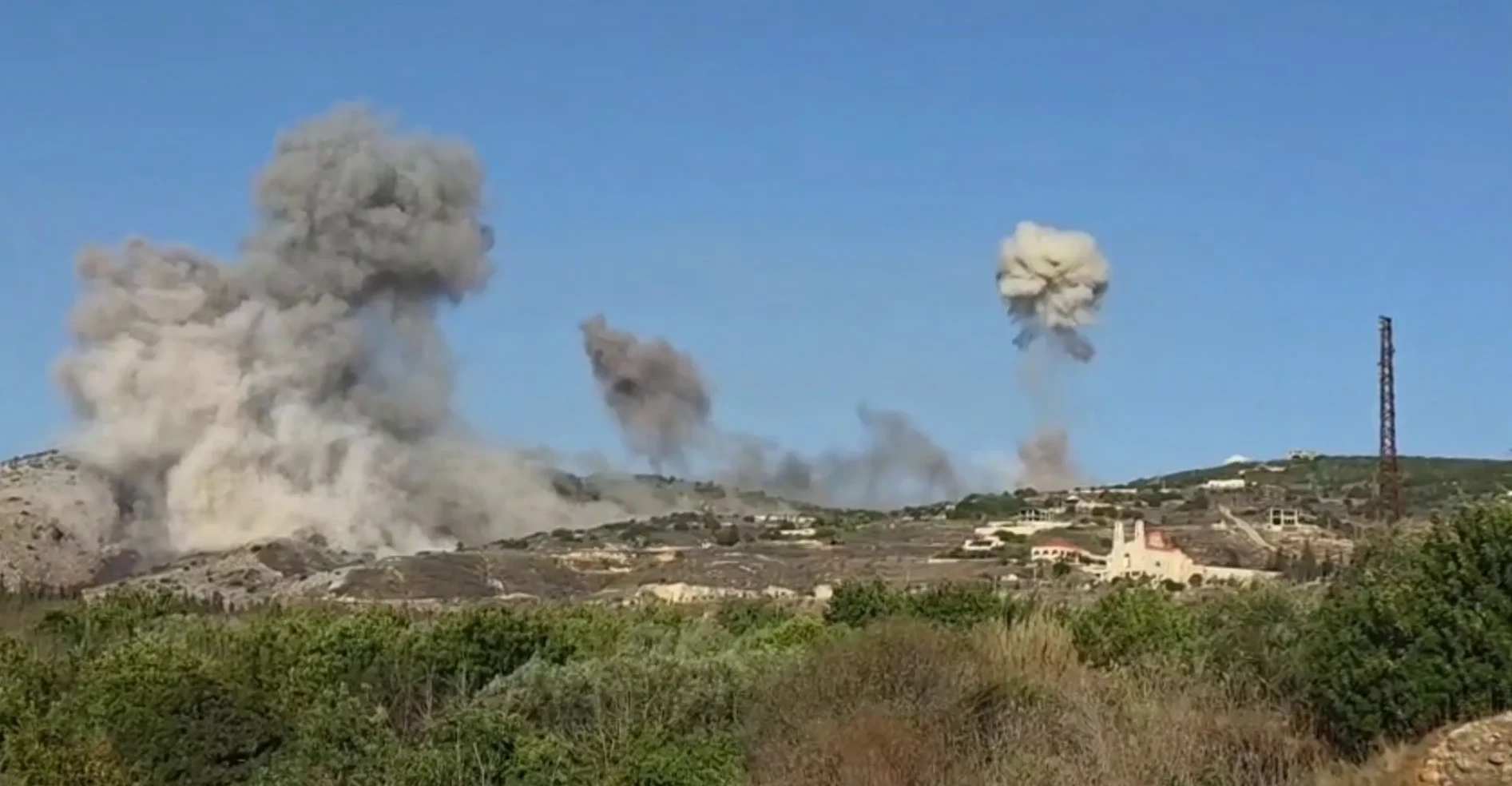
Israel conducted 10 attacks across southern Lebanon on Saturday. The Israeli military operations unfolded as the United States continued its diplomatic efforts to mediate withdrawal talks concerning the border region. These strikes impacted various locations, including areas near Nabatieh Al-Fawqa, Zawtar Al-Gharbiya, and Froun. The Israeli military carried out a total of 10 attacks across southern Lebanon on Saturday, marking a significant level of activity in the volatile border region.
Escalation and US-Lebanese Dialogue
Two strikes hit the outskirts of Nabatieh Al-Fawqa within five minutes, followed by a stun grenade detonated near the Teachers’ Institute. Israeli forces also opened machine-gun fire and demolished several homes with explosives across the Nabatieh and Bint Jbeil districts. These actions by Israeli forces included opening machine-gun fire and demolishing homes with explosives across both the Nabatieh and Bint Jbeil districts, indicating a broad scope of operations.
Amidst these military actions, a United States delegation held discussions with the Lebanese army command. The focus of these talks was the potential withdrawal of Israeli forces from the border region and the subsequent deployment of Lebanese forces. The US delegation met with the army command specifically to discuss the framework for the withdrawal of Israeli forces and the subsequent deployment of Lebanese forces to secure the border areas.
Framework for Withdrawal
A United States military delegation initiated discussions with the Lebanese army regarding the initial Israeli withdrawal from a pilot area, operating under the framework established on June 26. This US military delegation began talks with the Lebanese army specifically concerning the first Israeli withdrawal from a designated pilot area, in line with the framework agreed upon on June 26. The US Central Command (CENTCOM) will coordinate with both Lebanon and Israel on these efforts. CENTCOM, the United States Central Command, will play a key role in coordinating these efforts between Lebanon and Israel to ensure a smooth process. A Lebanese military source informed AFP that the first pilot area withdrawal is anticipated to commence "within days." The expectation is that the first pilot area withdrawal will begin "within days," according to a Lebanese military source who spoke to AFP.
The June 26 framework outlines a series of steps aimed at de-escalating the conflict, including the withdrawal of Israeli forces and the establishment of Lebanese "state control over territory." This framework, established on June 26, outlines the necessary steps toward ending the conflict, which include the withdrawal of Israeli forces and the re-establishment of Lebanese "state control over territory." However, the framework does not specify a timetable for these actions. While the framework provides a roadmap, it notably does not set a specific timetable for the implementation of these actions. In addition to the initial pilot zone, further areas are currently under review for potential future withdrawals. Beyond the initial pilot zone, additional zones are currently under review for consideration in future withdrawal phases.
Local Resistance and Wider Impact
Froun’s municipal council rejected the designation of the town as part of a pilot withdrawal area, contending that the community is neither under Israeli occupation nor within the so-called Yellow Line. The council's statement indicated its opposition to any external classification of its territory. Froun’s municipal council issued a strong rejection of the town's designation as part of a pilot withdrawal area, asserting that the community is neither under Israeli occupation nor located within the so-called Yellow Line. Meanwhile, the broader impact of the ongoing conflict has been severe. Lebanon’s Health Ministry reported that Israeli attacks conducted between March 2 and July 10 have resulted in 4,321 fatalities. Additionally, the ministry stated that 12,204 individuals, including children and women, have sustained injuries during the same period. According to Lebanon’s Health Ministry, Israeli attacks between March 2 and July 10 have tragically killed 4,321 people and wounded 12,204 others, a toll that includes many children and women.
Stalemate and Future Outlook
Lebanon has demanded a pullback from two pilot areas before engaging in talks scheduled for July 15 and 16 in Rome. Israeli forces still hold positions in southern Lebanon, having advanced over 10 kilometres during the latest escalation. Israeli forces continue to hold positions in southern Lebanon, having advanced more than 10 kilometres during the latest escalation, complicating withdrawal efforts. Previously, Benjamin Netanyahu identified Zawtar Al-Gharbiya and Froun as initial pilot locations. These two locations, Zawtar Al-Gharbiya and Froun, were previously identified by Benjamin Netanyahu as the first two areas to be included in the pilot stage of the withdrawal.