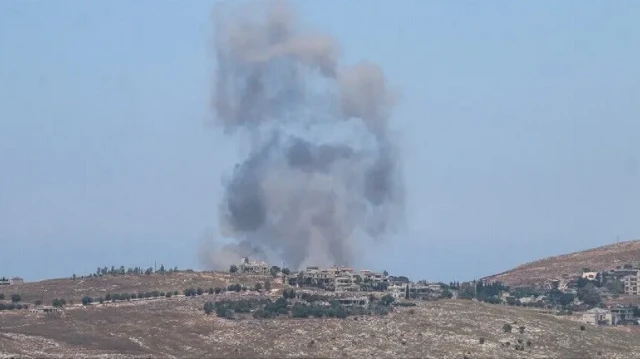
Israel has launched extensive air strikes targeting Hezbollah infrastructure and tunnels in southern Lebanon, with reports indicating nine to thirteen casualties. These actions by the Israeli military were described as operations against Hezbollah's illicit infrastructure and underground networks. The Israeli military released video footage showing what it described as "huge explosions and detonations in villages in southern Lebanon," stating these operations were aimed specifically at Hezbollah's subterranean networks. The strikes occurred in areas including Sadikin, Tyre District, and Hadatha, Bint Jbeil District. Further targets included Markaba, Marjayoun District, and Kufartiniet, Nabatieh District, as well as Beit Yahun. The scale of the operations has drawn significant international attention and concern regarding regional stability.
Israeli Operations and Casualties
Israel released video footage showing massive explosions and huge detonations in southern Lebanon, with the military describing these as targeting Hezbollah’s underground infrastructure. These operations are part of declared "security zone" activities, which the Israeli military asserts are key for its defensive posture. In one notable incident, Israeli drones struck a vehicle in the town of Sadikin in the Tyre District, injuring two people. This specific strike notes the precision and reach of the Israeli military's unmanned aerial capabilities. The Israeli army also carried out a sweep toward Hadatha in the Bint Jbeil District, indicating ground-level movements complementing the aerial assaults. Bombings were reported in Markaba in the Marjayoun District, Kufartiniet in the Nabatieh District, and Beit Yahun, showing the widespread nature of the military engagement across southern Lebanon.
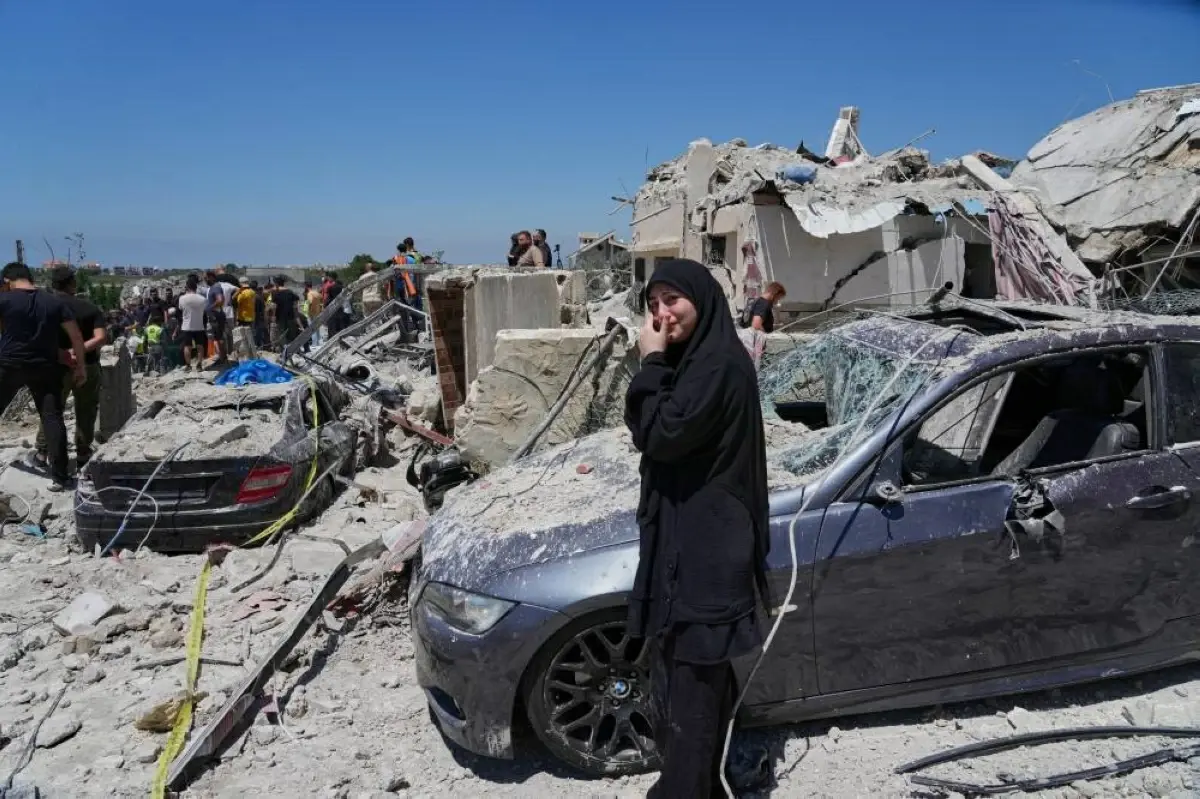
The Israeli army announced the death of a Hezbollah member in the Ali al-Taḥir Heights, stating he was spotted exiting an underground facility and subsequently targeted by an airstrike. This incident further illustrates the direct engagement with Hezbollah personnel. The Bint Jbeil Municipality condemned destruction operations in the area, reporting that explosions and demolition of buildings were accompanied by the extensive use of more than 20 heavy excavators for wide-scale earthworks. The municipality accused Israeli forces of stealing contents from homes before destroying them and looting iron and construction materials after backfilling these sites, raising serious allegations of misconduct during the operations. These accusations highlight the deep mistrust and animosity between local Lebanese authorities and the Israeli military.
International Reactions and Warnings
The UN Special Coordinator for Lebanon, Joanna Wronecka, warned on Tuesday, September 17, that the recent pager explosions mark "an extremely worrying escalation." Her statement showed the potential for a broader conflict stemming from the current military actions. The European Union welcomed a "Framework Agreement," stating it calls for the disarmament of Hezbollah and allows the Israeli army to redeploy gradually outside Lebanese territory. This agreement is seen by the EU as a potential pathway to de-escalation and long-term stability. Hezbollah responded defiantly, saying Israel would "receive its just punishment" following what it termed "this 'criminal aggression'," signaling its intent to retaliate. Hamas, a Palestinian militant group, also weighed in, describing the attack as a "Zionist terrorist aggression," aligning with Hezbollah's condemnation. The UN Special Coordinator for Lebanon urged "all parties concerned to refrain from any further action (...) that could trigger a broader conflagration," emphasizing the critical need for restraint to prevent a wider regional conflict.
Diplomatic Efforts and Displacement
An American official told AFP that the "Framework Agreement" is entering an implementation phase, stating, "We are now in the stage of implementing the framework. The first experimental area will be launched within days." This indicates active diplomatic efforts are underway to operationalize the agreement despite ongoing hostilities. Hezbollah has accused Israel of being responsible for the recent pager maneuver in Lebanon, a controversial incident that further fueled tensions. The Israeli army concluded the Givati Brigade’s mission in southern Lebanon, which had lasted eight months, suggesting a rotation or change in operational focus. Concurrently, Israeli unmanned aircraft were observed flying over Beirut and its southern suburbs, maintaining surveillance over key Lebanese population centers.
The Lebanon–Israel Framework Agreement 2026 was awaiting implementation, with negotiations moving towards Rome, indicating Italy's role as a potential mediator or host for further discussions. Al Jazeera reported that a United States military delegation met with Lebanon’s army in Beirut to discuss Israel’s planned withdrawal from a designated 'pilot zone'. This meeting notes the direct involvement of the US in facilitating the agreement's terms. Lebanon has conditioned its participation in the sixth round of Lebanese-Israeli negotiations in Rome on Israel withdrawing from two experimental zones in the southern region, emphasizing its demand for concrete steps towards Israeli disengagement before proceeding with further talks. This condition shows Lebanon's firm stance on territorial sovereignty and the necessity of Israeli withdrawals.
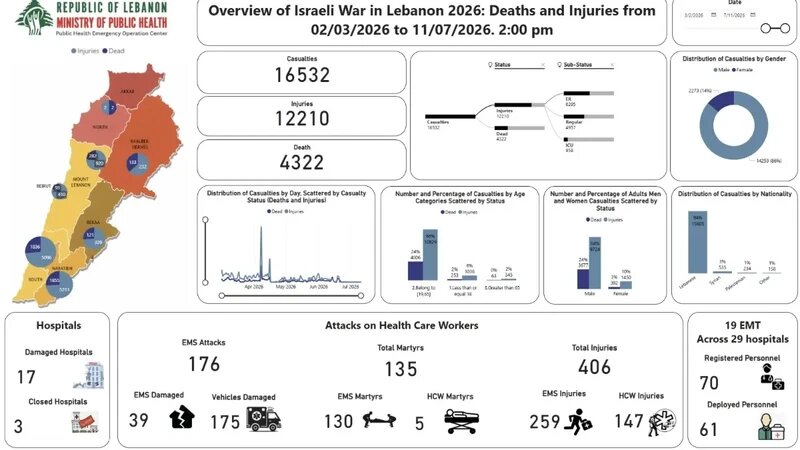
The humanitarian impact of the ongoing conflict and military operations remains significant. The International Organization for Migration reported that 646,107 returning displaced people have been recorded, indicating a large population attempting to return to their homes amidst the instability. Additionally, approximately 500,000 individuals remain displaced, based on data collected since June 22 in coordination with local authorities. This substantial number of displaced persons notes the severe and ongoing humanitarian crisis affecting the region, with many families uprooted from their communities due to the persistent conflict.