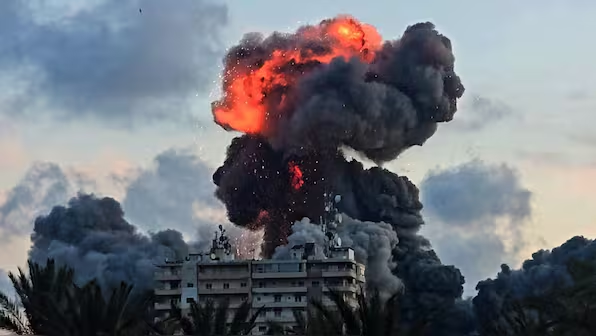
Lebanon has been severely affected by global contestations and regional rivalries for decades, culminating in the US-Iran-Israel war which took place from June 2025 to February 28, 2026. This prolonged exposure to geopolitical pressures has left the nation particularly vulnerable to external shocks and internal divisions. The conflict further destabilized a nation already struggling with internal and external pressures, intensifying the challenges faced by its populace. The industrious Lebanese people require and merit peace, security, and stability, having endured prolonged suffering due to these ongoing regional and international dynamics. Their resilience has been tested repeatedly by the ebb and flow of power struggles far beyond their immediate control, yet the yearning for a stable future remains critical. Decades of such external influences have profoundly shaped Lebanon's political landscape, economic stability, and social fabric, making the quest for lasting peace an urgent national priority.
Hezbollah's Iranian Ties
Hezbollah has consistently accepted the Iranian Supreme Leader as its spiritual leader, indicating a foundational ideological alignment that runs deep within the organization's structure and mission. This unwavering connection positions Hezbollah as a significant regional actor, operating with a clear sense of purpose derived from its spiritual and political allegiance. The organization is described as the most potent among the 4Hs proxies, a group that includes Hezbollah itself in Lebanon, Hamas in Gaza, the Houthis in Yemen, and Kataib Hezbollah along with several other Islamic militia groups in Iraq. These entities are widely understood to be aligned with the Iranian regime, forming a network of influence that extends across the Middle East. For Iran, the survival of Hezbollah holds particular importance, especially following a perceived loss of strategic influence in Syria. This perspective suggests that Hezbollah remains a critical component of Iran's regional strategy, serving as a vital instrument for projecting power and safeguarding its interests in a volatile geopolitical environment. The enduring bond between Hezbollah and the Iranian leadership shows the complex interplay of religious, political, and strategic factors that define regional alliances.
The War's Devastation
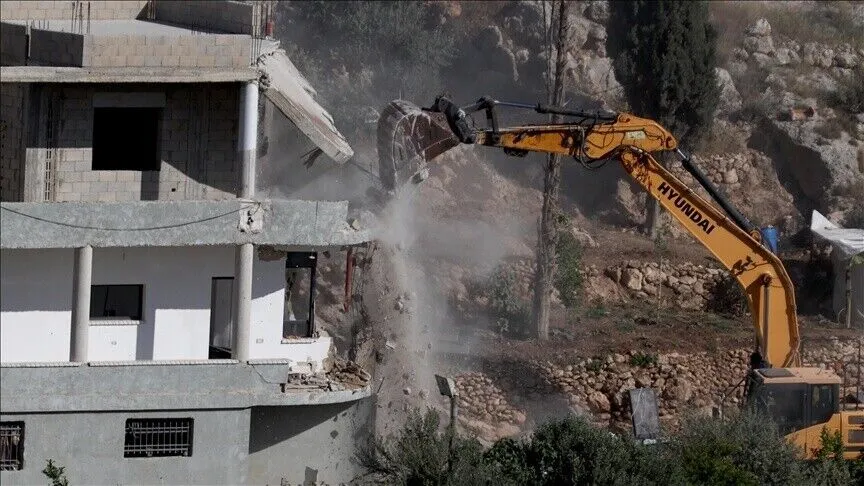
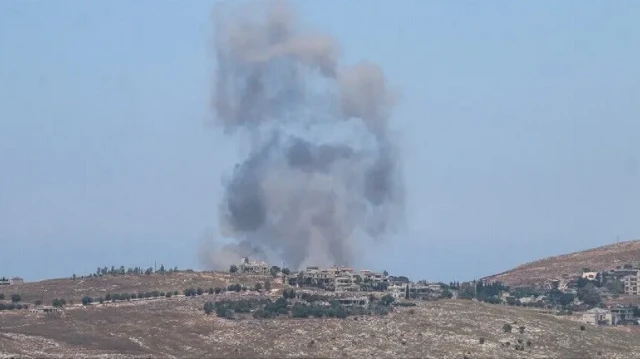
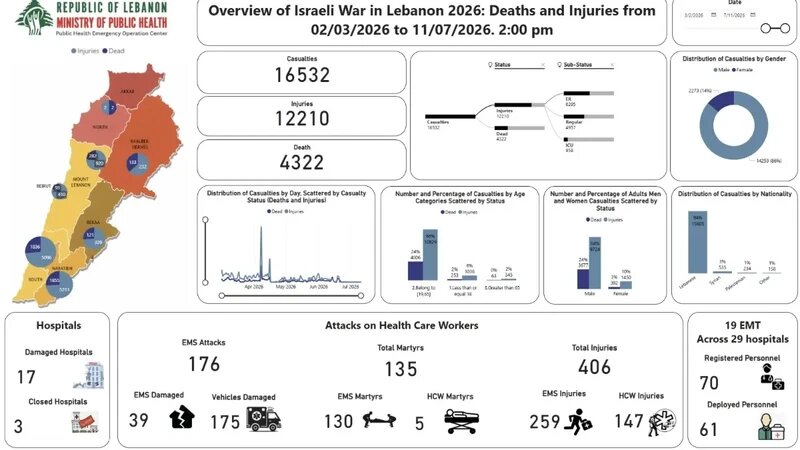
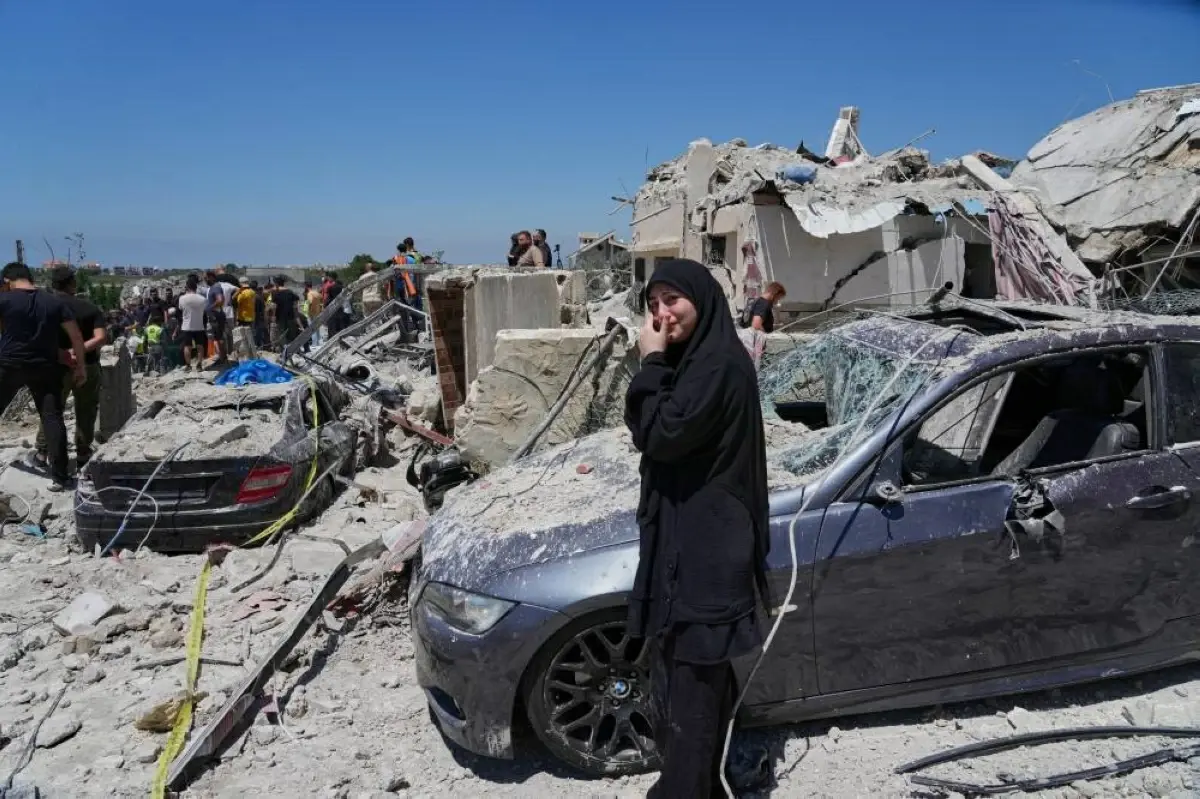
Since the October 7 terrorist attacks by Hamas on Israel, the Netanyahu government has pursued a decapitation strategy against Hezbollah, Hamas, and the Iranian politico-military leadership. This aggressive approach aimed to dismantle the operational capabilities and leadership structures of these groups, reflecting a broader strategic objective. The conflict provided an opportunity for Netanyahu to decimate Hezbollah in Lebanon up to the Litani River, a stated goal that showed the intensity and scope of the military campaign. The fighting has resulted in thousands of people killed and a large number displaced across the affected regions, creating a humanitarian crisis of significant proportions. The human cost of the conflict has been immense, with communities shattered and livelihoods destroyed. The widespread displacement has placed immense strain on resources and infrastructure, exacerbating existing vulnerabilities in a region already grappling with numerous challenges. The destruction of homes, schools, and essential services has left a lasting scar on the landscape and the lives of those caught in the crossfire, noting the urgent need for reconstruction and recovery efforts.
Diplomatic Maneuvers
Most observers contend that the United States holds significant influence over Israeli military actions, suggesting that Washington's diplomatic stance and policy decisions can profoundly impact the trajectory of conflicts in the region. This perceived leverage places the US in a key position to mediate and de-escalate tensions. Former President Trump previously hosted direct talks between Israeli and Lebanese negotiators, an initiative aimed at finding common ground and fostering dialogue between the historically adversarial nations. These discussions represented a rare opportunity for direct engagement on sensitive issues. An Israeli precondition for any deal includes an Israeli withdrawal from southern Lebanon, the return of bodies, and reconstruction efforts. These demands outline the core requirements Israel would expect to be met as part of any full agreement, reflecting its security concerns and humanitarian obligations.
Lebanese President Joseph Aoun has rejected attempts to link Lebanon's future to the ongoing Iranian negotiations, asserting Lebanon's sovereign right to determine its own path. "We are now separate from the Iranian situation and the Islamabad agreement," President Aoun stated unequivocally, emphasizing Beirut's desire to disentangle its national interests from broader regional power struggles. This stance shows a clear aspiration for Lebanese autonomy in foreign policy decisions. President Aoun urged all involved parties to consider the US-sponsored framework agreement between Lebanon and Israel, presenting it as a viable pathway towards de-escalation and potential peace. He warned that if Hezbollah declines to cooperate with efforts to end the conflict in South Lebanon, "it will bear responsibility for its decision." Aoun indicated such a refusal would demonstrate that Hezbollah prioritizes Iran's interests over Lebanon's, a critical distinction for the Lebanese state. He further elaborated, "As long as the party’s choice is Iranian, there will be no point. Matters will be resolved only when its choice becomes Lebanese rather than Iranian." This statement clearly articulates the President's vision for a Hezbollah that aligns its actions with national Lebanese interests. President Aoun also noted Hezbollah is "not just a militia, but also a social constituency," acknowledging the complex role the organization plays within Lebanese society beyond its military functions. This recognition notes the intricate challenges involved in addressing Hezbollah's place in the country. President Aoun is scheduled to visit the White House to meet with President Trump on July 21, a high-level diplomatic engagement that could be key for future peace efforts and discussions on regional stability. This upcoming meeting signifies the continued importance of US diplomatic involvement in the Lebanese context.
Path to Stability
Israel has initiated a pilot project to hand over certain areas to the Lebanese army. The move marks an early step in potential de-escalation efforts following recent conflicts in the region, signaling a willingness to explore practical measures for reducing tensions. This initiative represents a tangible, albeit preliminary, step towards establishing a more stable security environment. The project involves a phased approach to transferring control, with the Lebanese army assuming responsibility for security and administration in the designated zones. This structured transition aims to ensure an orderly and effective handover of authority, building confidence between the parties. This initiative follows calls from Lebanese President Joseph Aoun for all parties to consider a US-sponsored framework agreement between Lebanon and Israel, indicating a potential alignment between diplomatic proposals and on-the-ground actions. The pilot project could serve as a confidence-building measure towards broader stability in southern Lebanon, demonstrating that cooperative arrangements are possible even amidst deep-seated animosities. Its success is expected to depend on the ongoing cooperation between the involved parties and the capacity of the Lebanese army to maintain order in the transferred territories, which remains a key test for the long-term viability of such initiatives. The international community will closely watch the progress of this pilot project as a potential model for future de-escalation strategies in the region.