Lebanon's internal security forces announced on Monday the arrest of a Syrian commander from the Islamic State group, a significant development in the ongoing regional struggle against extremist organizations. The suspect, whose identity was not immediately released, was apprehended on June 30. Lebanese security forces later identified the individual as the Islamic State group's leader for central and southern Syria, a key figure in the organization's regional hierarchy. This designation indicates a significant disruption to the organization's command structure within those regions, noting the continued operational capabilities of security agencies in counter-terrorism efforts across the Levant. Syrian authorities had previously stated that preliminary investigations indicated ISIS was responsible for a series of bombings in the Syrian capital. The arrest connects the individual to these attacks, marking a significant development in regional counter-terrorism efforts. The apprehension also shows the persistent threat posed by the group, even after its territorial losses.
Damascus Bombings Context
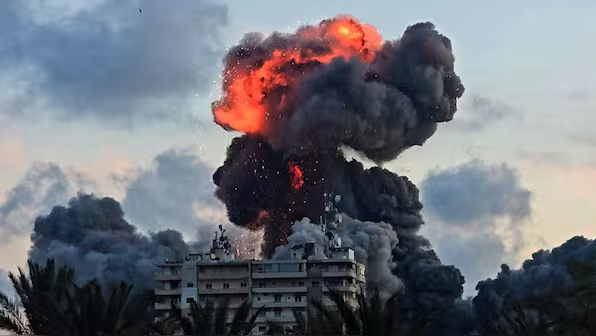
The announcement of the ISIS commander's arrest follows nearly a week after Damascus was struck by two bombings. These attacks occurred during a visit by French President Emmanuel Macron to the Syrian capital, adding an international dimension to the incident. The bombings resulted in the death of one person and left dozens wounded, according to official reports, causing significant casualties and disruption in the Syrian capital. The timing of the attacks, coinciding with a high-profile diplomatic visit, raised questions about the perpetrators' intent and capabilities. Following the incidents, the Syrian interior ministry released the names of three individuals it had interrogated, alleging their involvement in carrying out the attacks. These individuals were identified as Ahmad al-Rifae, Ahmad al-Ghefari, and Muhammad al-Haj. The ministry's swift action in identifying and interrogating suspects demonstrated the immediate response of Syrian authorities to the violent events.
ISIS Activity in the Region
The Islamic State group's grip on Syrian territory it had claimed was broken in 2019, significantly reducing its overt control and dismantling its self-proclaimed caliphate. Despite this major setback, the group's influence persisted in various forms, adapting its tactics to operate as an insurgency rather than a territorial power. In Lebanon, Sunni extremist groups, some of which had pledged allegiance to the Islamic State, engaged in several battles with the Lebanese army during the 2010s. These confrontations often took place in remote border areas and mountainous regions, challenging the authority of the Lebanese state. These groups were also responsible for a series of deadly bombings that targeted Hezbollah strongholds within the country, exacerbating sectarian tensions and causing widespread fear. Lebanese security forces ultimately defeated these extremist groups in 2017, following extensive military operations to clear their hideouts and dismantle their networks. These events highlight the persistent, albeit evolving, threat posed by elements affiliated with the Islamic State across the region, even after the loss of their territorial caliphate. The group continues to exploit instability and local grievances to maintain a presence and carry out sporadic attacks.
Border Security and Past Arrests
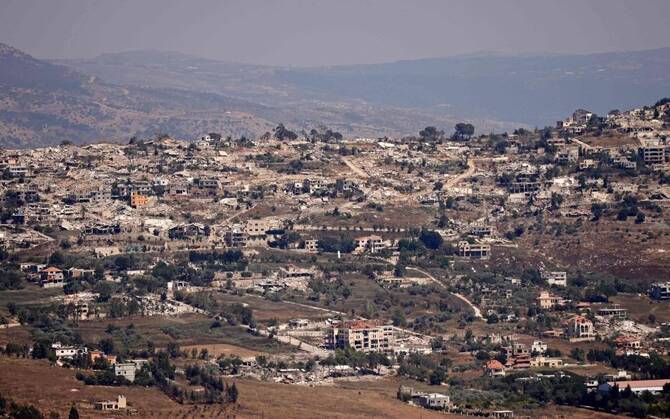
Lebanon's military announced last year the arrest of the suspected leader of the Islamic State group in the country, demonstrating continuous efforts to dismantle the organization's local cells. The ongoing security operations occur along the porous 330-kilometre (205-mile) border shared by Lebanon and Syria. This extensive shared frontier presents significant challenges for controlling cross-border movements, which extremist groups have historically exploited to transport fighters, weapons, and supplies. The rugged terrain and numerous unofficial crossings make effective surveillance and interdiction difficult for security forces on both sides. These past arrests and the nature of the border highlight continuous efforts by Lebanese authorities to counter the presence and activities of groups like ISIS, which often use the border region as a transit point or a sanctuary. The cooperation between various intelligence and security agencies is key in monitoring and disrupting these cross-border networks.
Significance of the Arrest
The arrested individual was identified by Lebanese security forces as the Islamic State group's leader for central and southern Syria. This designation indicates a significant disruption to the organization's command structure within those regions, potentially hindering its ability to plan and execute future operations. The apprehension notes the continued operational capabilities of security agencies in counter-terrorism efforts across the Levant, showcasing their effectiveness in tracking and capturing high-value targets. Such arrests are vital in degrading the leadership and operational capacity of extremist groups, contributing to regional stability. The successful operation also sends a strong message to other militant elements that their activities will be met with decisive action by law enforcement.