A framework agreement signed by Israel and Lebanon in Washington on June 26 brought an end to hostilities between Israel and Hezbollah. This significant diplomatic achievement, formally signed on June 26, played a key role in de-escalating the conflict that had gripped the border region. The cessation of conflict allowed a significant portion of the displaced population to return home swiftly, marking an immediate and tangible impact of the accord. Lebanese authorities estimate that approximately 1.2 million people were displaced during the recent conflict, noting the immense scale of the humanitarian challenge. The profound disruption caused by the hostilities necessitated a rapid and coordinated response to facilitate the return of those uprooted from their homes and communities.
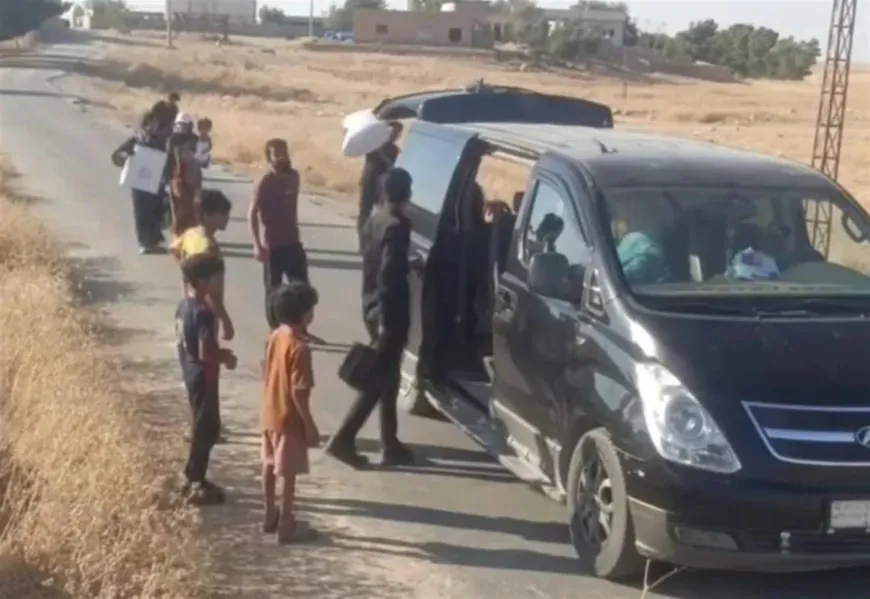
Following the agreement, Lebanon’s social affairs minister, Haneen Sayed, reported that around 400,000 people returned to southern Lebanon within 24 hours. This rapid return of residents showed the immediate impact of the accord on civilian populations affected by the fighting, demonstrating a strong desire among the displaced to resume their lives as quickly as possible. The swift movement of such a large number of individuals back to their communities presented both a sign of hope and an immediate logistical challenge for authorities. The initial phase of returns was critical in setting the tone for post-conflict recovery, yet it also exposed the deep scars left by the hostilities. The framework agreement, signed in Washington, was instrumental in creating the security conditions necessary for these initial returns.
Infrastructure Devastation and Return Challenges
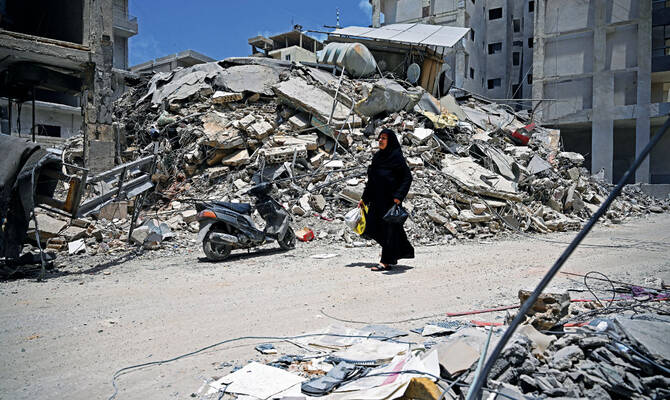
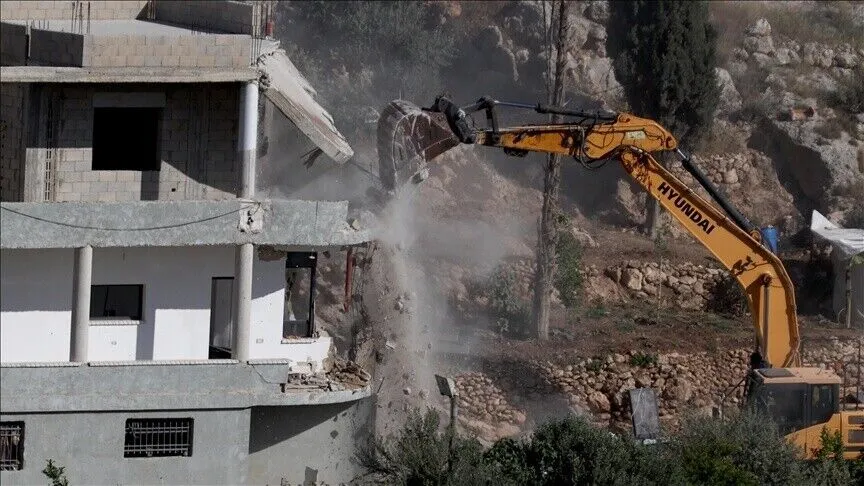
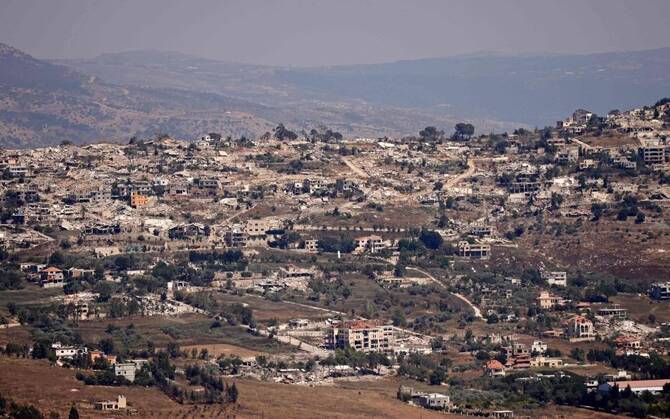
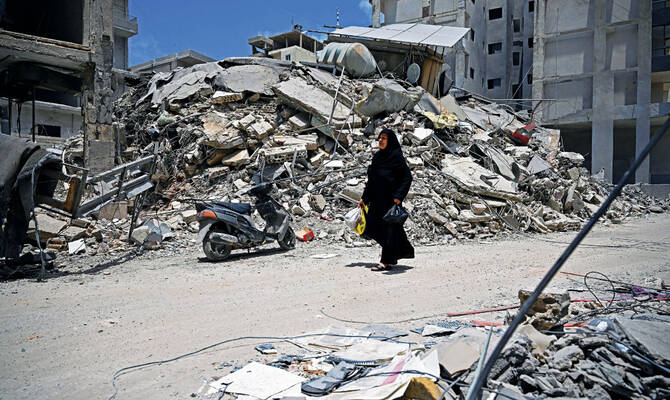
Approximately half a million people remain displaced across Lebanon following the recent conflict. This substantial number indicates the ongoing humanitarian crisis and the complex obstacles preventing full reintegration. The destruction of infrastructure in the border region has significantly impacted return efforts, making many areas uninhabitable or unsafe. Twenty-one towns have been completely destroyed, rendering entire communities uninhabitable and necessitating full rebuilding efforts. In addition to the complete destruction of these towns, dozens of villages sustained considerable damage, further exacerbating the housing crisis and hindering the restoration of normal life. The widespread damage to residential areas, public buildings, and essential services presents a formidable barrier to the return of the remaining displaced population.
Further complicating the situation, the "Yellow Line" security zone established by Israel continues to encompass 64 towns and villages. These areas remain under Israeli control, preventing the return of their original inhabitants and hindering reconstruction efforts in a substantial portion of the border region. The continued presence of this security zone creates a persistent geopolitical and humanitarian challenge, effectively freezing the recovery process in these specific communities. The inability of residents to access their homes and lands within the "Yellow Line" prolongs their displacement and adds to the overall burden on Lebanon's social and economic infrastructure. This unresolved territorial issue stands as a significant impediment to full post-conflict stabilization.
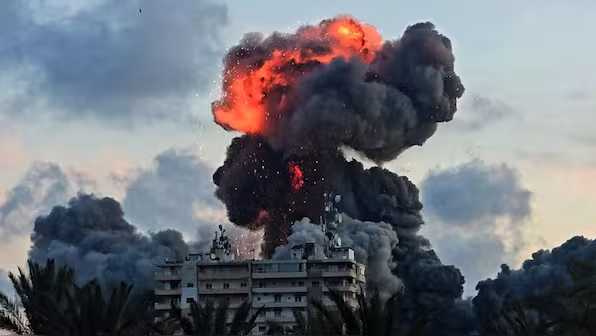
Despite the June 26 accord, lingering insecurity has been reported, showing the fragility of the peace. Hezbollah launched rockets into Israel on March 2. This action was described as retaliation for a US-Israeli attack on Iran and constituted a violation of the ceasefire agreement reached between Israel and Hezbollah in November 2024. The incident noted the persistent tensions and the potential for renewed hostilities, which can derail recovery efforts and deter further returns. Such breaches of the ceasefire agreement undermine confidence in the stability of the region and complicate the long-term prospects for peace and reconstruction. The November 2024 ceasefire agreement, intended to provide a stable environment, was directly challenged by this incident.
Economic Strain and Funding Shortfalls
Assessments conducted by Lebanon’s National Council for Scientific Research and the UN Development Programme estimate direct damage to buildings south of the Litani River at $1.38 billion as of April 29. This figure represents a significant economic blow to a region already struggling with pre-existing challenges. The World Bank’s Rapid Damage and Needs Assessment for Lebanon further indicates that the 2024 war caused an estimated $6.8 billion in physical damage across the country. This full assessment provides a stark picture of the widespread destruction inflicted by the conflict on various sectors. Reconstruction and recovery needs are projected to be significantly higher, reaching approximately $11 billion, reflecting the extensive scope of rebuilding required to restore infrastructure and livelihoods. This disparity between damage and recovery estimates shows the massive financial undertaking ahead.
Lebanese Minister of Finance Yassine Jaber has provided a broader estimate for the war’s damage, placing it at $20 billion. This higher figure, from a senior government official, emphasizes the profound and broad economic consequences of the conflict on the entire nation. Addressing these extensive financial requirements, the 2026 Lebanon Flash Appeal was launched with a funding goal of $639.9 million. This appeal represents a critical mechanism for mobilizing international support to address immediate humanitarian and early recovery needs. However, only 37.1 percent of this target has been secured to date, leaving a substantial funding gap of over $400 million. The shortfall poses a significant challenge to recovery efforts in the country amid continued economic strain, limiting the scope and pace of essential rebuilding and humanitarian assistance. The underfunding of the appeal directly impedes the ability to provide adequate support to affected populations and rebuild vital infrastructure.
The economic fallout extends beyond direct damage, impacting livelihoods, trade, and overall national stability. The substantial financial requirements for reconstruction, estimated at $11 billion by the World Bank and $20 billion by Minister Yassine Jaber, show the need for sustained international commitment. The gap in funding for the 2026 Lebanon Flash Appeal, with only 37.1 percent secured out of a $639.9 million target, notes the urgent need for increased financial contributions to prevent further deterioration of humanitarian conditions and to support long-term recovery. This funding deficit directly affects the implementation of critical projects aimed at restoring essential services and supporting displaced communities.
Voices from the Ground and Expert Analysis
The International Organization for Migration reported that 646,107 individuals had returned to their homes, according to its latest assessment, demonstrating significant progress in the return process since the framework agreement. However, recovery efforts are complicated by the extensive destruction of infrastructure, which hinders the ability of these returnees to resume normal life. Reports indicate approximately 8.5 million cubic meters of rubble, alongside the near-total collapse of water, electricity, and road networks, particularly in southern areas. This sheer volume of debris and the widespread failure of essential services present an enormous logistical and financial hurdle to reconstruction. The lack of basic utilities like clean water and reliable electricity significantly impedes community rebuilding and poses public health risks.
Before the framework agreement, Hezbollah had not committed to a ceasefire, dismissing it as “null and entirely in Israel’s interest.” This stance notes the complex political landscape surrounding the accord and the difficulties in achieving a unified consensus among all parties. This initial rejection shows the challenges faced by negotiators in securing a full and lasting peace. Despite the returns, more than 137,000 displaced people continue to shelter in approximately 700 centers located across Beirut and other parts of Lebanon, indicating ongoing humanitarian needs that require sustained attention. These displacement centers provide temporary refuge but are not long-term solutions, and their continued use points to the deep-seated issues preventing full resettlement. The widespread damage to essential services further obstructs the full reintegration of displaced populations, as communities lack the basic necessities required to sustain their residents. The presence of 8.5 million cubic meters of rubble alone creates an environmental and logistical nightmare that must be addressed before meaningful reconstruction can occur. The collapse of water, electricity, and road networks means that even in areas where homes might be standing, life remains extremely difficult, hindering economic activity and access to vital resources.