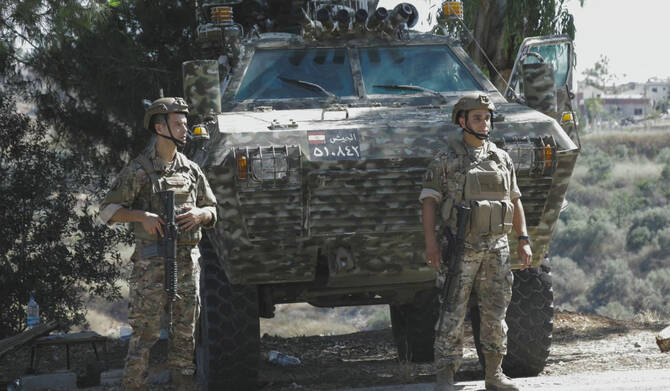
Lebanese authorities have detained a Syrian commander from the Daesh group, also known as ISIS, on June 30, according to sources familiar with the operation. The suspect, whose identity has not yet been publicly released, was identified as the extremist group’s leader responsible for operations in central and southern Syria. His arrest comes as part of a broader investigation into two bombings that struck the Syrian capital, Damascus, during French President Emmanuel Macron’s visit to the region. Syrian authorities stated on Thursday that preliminary investigations into the attacks indicated Daesh was responsible. This significant arrest shows the ongoing efforts by regional security forces to counter the persistent threat posed by extremist organizations.
Bombings and Investigation Details
The bombings in Damascus resulted in one fatality and left dozens of others wounded, causing widespread concern about the security situation in the capital. The coordinated attacks during a high-profile international visit further noted the capabilities of militant groups to target urban centers. Following the incidents, the Syrian interior ministry swiftly launched an investigation and subsequently released the names of three individuals it had interrogated, alleging their involvement in carrying out the bombings. The ministry's public identification of these suspects signals a concentrated effort to attribute responsibility and bring those involved to justice. The detention of the Syrian Daesh commander in Lebanon is believed to be a key development in unraveling the network behind these attacks and understanding the command structure that orchestrated them.
Daesh Activity and Border Context
Despite the dismantling of its territorial control in Syria in 2019, Daesh continues to operate through various clandestine cells across the country. These cells maintain a persistent presence, conducting sporadic attacks and insurgency operations that challenge the stability of the region. The group's ability to regroup and launch attacks is further complicated by the porous, 330-kilometer (205-mile) border shared by Lebanon and Syria. This extensive and often rugged border region has historically presented significant challenges for security forces in monitoring the movement of individuals, weapons, and illicit goods between the two nations. The ease of cross-border movement can facilitate the activities of extremist groups, allowing them to evade capture and coordinate operations across national boundaries.
Lebanese authorities have a history of acting decisively against the group within their borders. Last year, the country’s military announced the arrest of the suspected leader of the Daesh group in Lebanon, demonstrating a proactive stance against extremist elements operating within its territory. These arrests highlight the continuous struggle faced by both Lebanese and Syrian security forces in containing the remnants of Daesh and preventing its resurgence. The recent detention of the Syrian commander in Lebanon is a testament to the ongoing intelligence and counter-terrorism efforts aimed at disrupting the group's operational capabilities and leadership structure.
Regional Security Implications
The detention of a high-ranking Daesh commander in Lebanon shows the persistent regional security challenges posed by extremist groups like Daesh. Despite the loss of its territorial caliphate in 2019, Daesh continues to represent a significant security threat across Syria and its neighboring countries. The group's demonstrated ability to operate and allegedly coordinate attacks, such as the bombings in Damascus during French President Emmanuel Macron's visit, notes the ongoing need for strong and coordinated counter-terrorism efforts. The fact that a commander operating in central and southern Syria was apprehended in Lebanon suggests a fluid operational environment and the transnational nature of these threats.
Lebanon, sharing a porous 330-kilometer border with Syria, remains particularly vulnerable to the spillover of conflict and extremist activity from its war-torn neighbor. The continuous movement of individuals and the potential for infiltration pose significant security concerns for Beirut. The actions of groups like Daesh complicate the stability of the entire region, potentially impacting various actors, including Hezbollah, which maintains a presence and influence in both Lebanon and Syria. The group's activities can also exacerbate internal tensions and draw Lebanon into regional conflicts. These complex security concerns necessitate continued vigilance and enhanced cooperation among regional and international stakeholders to prevent further destabilization and to effectively dismantle the remaining networks of extremist organizations. The successful apprehension of this commander represents a critical step in these broader counter-terrorism efforts.