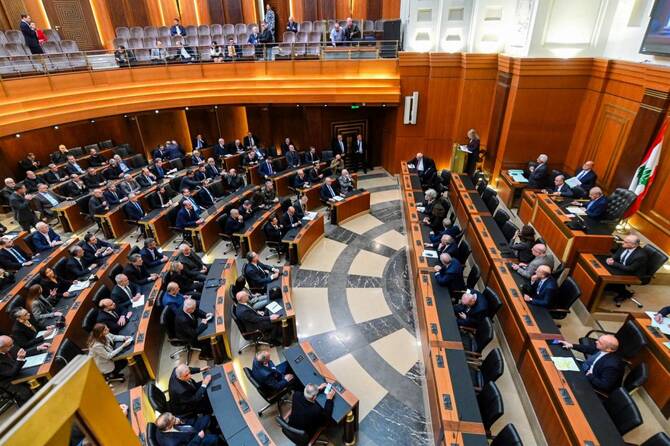
Late last month, Lebanon and Israel signed a framework agreement with the United States, a significant development in the long-standing, often volatile, relationship between the two nations. This agreement has been described by Lebanon's chief negotiator, Nada Hamadeh Moawad, as a "first step on the road to restoring Lebanese sovereignty and territorial integrity." The framework agreement, brokered by US Secretary of State Marco Rubio, aims to address ongoing border disputes that have fueled instability in the region for decades. However, despite the stated intentions, critics argue that the Rubio-brokered agreement sets the stage not for lasting peace, but for a permanent stalemate, continuous war, or even escalation. This assessment stems from the agreement conditioning Israel's withdrawal on Hezbollah's disarmament, yet without including provisions regarding the cutting of Hezbollah's Iranian lifeline. The omission of this key element, according to some analyses, renders the disarmament clause largely unachievable and therefore undermines the entire premise of the agreement.
Contradictory US Approaches
A central point of contention and a source of skepticism regarding the framework agreement is the perceived inconsistency in US foreign policy. The United States negotiated parallel agreements based on two contradictory visions for Lebanon's role in the Middle East peace process. These divergent approaches create a complex and potentially self-defeating diplomatic landscape. The Vance-led peace process, for example, was shaped largely by Iran's demands concerning Lebanon. This approach implicitly acknowledged Iran's significant influence and sought to integrate its concerns into the broader regional stability efforts. In stark contrast, the Rubio-mediated track treated the Israel-Lebanon conflict as though it were none of Iran's business, largely sidelining Tehran's role and interests in the negotiations. This fundamental difference in approach between two concurrent US diplomatic initiatives raises questions about the coherence and long-term viability of either strategy, especially concerning a nation as deeply intertwined with regional powers as Lebanon.
The terms of the framework agreement, particularly those related to the future of Hezbollah and the broader regional security architecture, appear to contradict those of the latest memorandum of understanding US Vice President JD Vance concluded with Iran. The Vance agreement, mediated by Pakistan and Qatar, primarily focused on the reopening of the Strait of Hormuz, a vital global shipping lane. Iran has made clear that reopening the Strait of Hormuz is conditional on the unqualified end to Israel's war against Hezbollah and a complete withdrawal from Lebanon. This direct linkage established by Iran in the Vance agreement shows the inextricable connection Tehran sees between its strategic interests, regional security, and the situation in Lebanon. The Rubio-brokered framework agreement, by not addressing this Iranian demand directly or providing an alternative pathway, creates a diplomatic dissonance that could hinder the implementation of either agreement and perpetuate the cycle of conflict rather than resolve it.
Unrealistic Disarmament Demands
The framework agreement stipulates that the departure of the Israel Defense Forces from southern Lebanon hinges on the "verified disarmament" of Iran's proxy, Hezbollah. This condition, while seemingly straightforward, presents an enormous challenge given the current geopolitical realities. Today, Lebanon's political circumstances and Iran's strengthened regional position make Hezbollah's complete disarmament highly unlikely. Hezbollah, a powerful political party with a significant armed wing, is deeply embedded in the Lebanese social and political fabric. Its military capacity is not merely an external force but an integral part of Lebanon's internal power dynamics.
Historical precedents further illustrate the difficulty of enforcing such a demand. United Nations Security Council Resolution 1701, which concluded the Second Lebanon War in 2006, previously called for the disarmament of "all armed groups" in Lebanon. Despite this international mandate, neither the Lebanese military nor UN forces, at the time, managed to enforce the mandate of UN Security Council Resolution 1701. This past failure serves as a stark reminder of the deeply entrenched nature of Hezbollah's military presence and the formidable obstacles to its disarmament.
Hezbollah's leader, Naim Qassem, has publicly vowed to continue fighting, signaling the organization's unwavering commitment to its armed status. This declaration directly contradicts the disarmament clause of the framework agreement. The speaker of Lebanon's parliament, Nabih Berri, described the recently signed deal as an "incitement to civil war," indicating significant internal Lebanese opposition to the disarmament clause. This internal resistance, coupled with Hezbollah's stated intentions, shows the profound political and social hurdles to implementing the disarmament requirement. The requirement for Hezbollah's verified disarmament thus presents a significant challenge, given the group's established military and political presence within Lebanon. Past efforts to disarm Hezbollah have been unsuccessful, noting the difficulty of implementing such a condition. The current political landscape in Lebanon and the broader regional influence of Iran further complicate any attempts to enforce a complete disarmament of Hezbollah, making the condition for Israeli withdrawal appear, to many, as an unrealistic and potentially dangerous prerequisite.
Historical Precedents and Current Dangers
The history of attempts to broker peace between Israel and Lebanon is fraught with failures, offering a cautionary tale for the current framework agreement. In 1983, the Reagan administration persuaded Israel and Lebanon to agree to a peace treaty that subsequently collapsed almost immediately. This historical precedent notes the fragility of agreements that do not adequately address the underlying complexities and power dynamics of the region. Following this collapse, Israel maintained a "security zone" in southern Lebanon from 1983 until May 2000. Israeli Prime Minister Ehud Barak then led a unilateral withdrawal from southern Lebanon in May 2000, a move that, while ending an occupation, did not resolve the fundamental tensions.
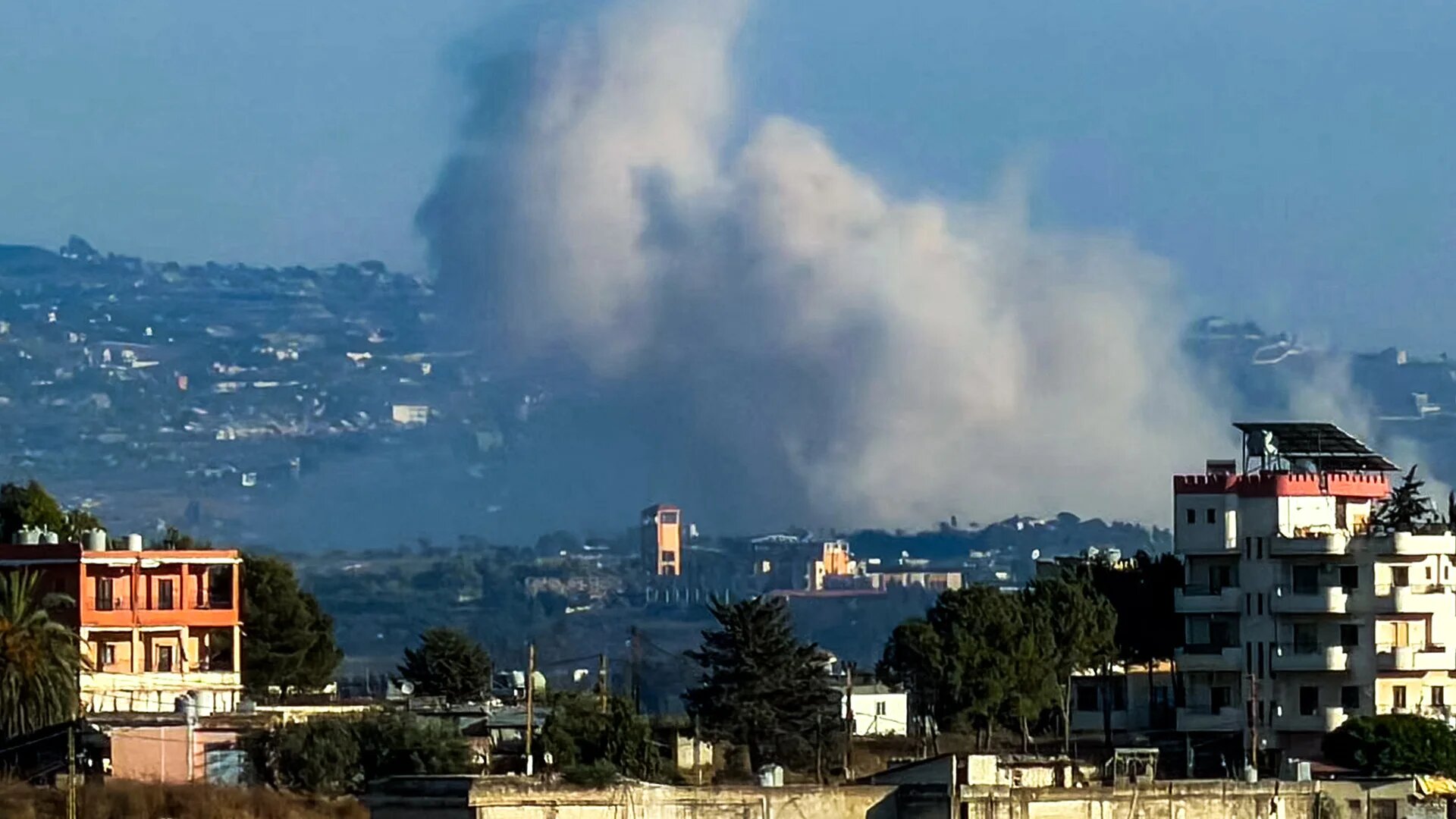
The current geopolitical climate adds another layer of danger. Since the October 7, 2023, attack by Hamas, Israel's paranoia has been described as "supercharged," with its "expansionist ambitions unleashed." This heightened state of alert and perceived need for security could lead to more aggressive actions. It is claimed that Lebanon has effectively granted Israel permission to continue fighting Hezbollah on its sovereign territory indefinitely through the terms of this framework agreement. This situation presents a significant danger given past events and the current volatile environment. Not long after President Donald Trump announced his expectation of a "complete ceasefire on all fronts, including Lebanon, Hezbollah, and Israel," Israel carried out a massive strike on Hezbollah's weapons stockpile in Lebanon. This incident demonstrates the precariousness of ceasefires and agreements when underlying issues of security and sovereignty remain unresolved. The framework agreement, by linking Israeli withdrawal to Hezbollah's disarmament without a clear path to achieving the latter, risks perpetuating a cycle of conflict, with Lebanon's territory potentially becoming a continuous battleground.
Pathways to Lasting Peace
From a critical perspective, eroding Hezbollah's military capacity, strengthening Lebanon's sovereignty, and establishing an indisputable case for Israel to withdraw from the country is claimed to be achievable only by cutting Hezbollah's Iranian lifeline. This perspective suggests that without severing the financial, material, and ideological support Hezbollah receives from Iran, any agreements or efforts towards peace will remain inherently unstable and ultimately ineffective. The argument posits that as long as Hezbollah maintains its military strength through external backing, Lebanon's sovereignty will remain compromised, unable to assert full control over its territory and security. Consequently, Israel will lack a compelling and verifiable reason to fully disengage, fearing a persistent threat from a well-armed, externally supported non-state actor on its border. Therefore, proponents of this view argue that focusing on disrupting this lifeline is the fundamental and most key step required to achieve lasting peace and stability in the region, moving beyond temporary ceasefires and framework agreements that fail to address the root causes of the conflict. Without this decisive action, the current framework agreement, like its historical predecessors, risks becoming another chapter in a long history of unresolved tensions and renewed conflict.