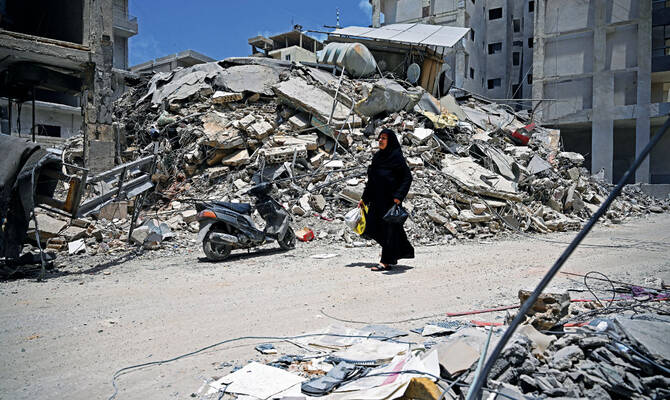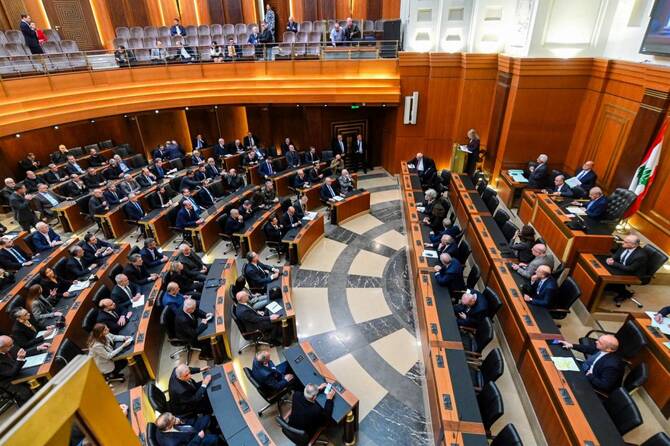
Lebanon’s parliament commenced a legislative session on Wednesday to discuss and vote on several bills, including a proposed amnesty law that could cover swathes of prisoners. More than 40 draft laws are scheduled for debate and voting during the two-day session, which is expected to be contentious given the diverse political landscape. Among the most prominent bills listed for discussion are the abolition of the death penalty and the amnesty law, both of which carry significant social and political weight. This legislative session marks the first held by parliament since it postponed elections by two years in March, a decision made due to the ongoing Israel-Hezbollah war, showing the challenging environment in which these legislative efforts are taking place. The parliament's agenda reflects an urgent need to address pressing domestic issues while navigating regional instability.
Amnesty Bill's Broad Scope
The proposed amnesty bill aims primarily to alleviate severe overcrowding in Lebanon’s prisons, a persistent humanitarian and logistical challenge for the state. The primary goal of the amnesty bill is to reduce this overcrowding, which has been exacerbated by various factors over the years. Families of Islamist prisoners, some of whom stand accused of attacking the Lebanese army or participating in clashes in Tripoli, are actively demanding amnesty for their relatives. These families represent a significant constituency pushing for the bill's passage. Thousands of families from the Baalbek and Hermel regions are also seeking amnesty for individuals involved in drug-related offenses and theft, noting the widespread demand for such a measure across different segments of society. Relatives of those who fled to Israel after its withdrawal from southern Lebanon in 2000 are campaigning for amnesty for their family members, adding another complex layer to the bill's potential reach. The broad scope of the bill addresses a range of offenses and includes diverse groups of individuals whose families are advocating for their release, making it a highly anticipated and debated piece of legislation.
Death Penalty Abolition
The death penalty has not been carried out in Lebanon in years, despite its legal standing and the occasional sentencing of individuals to capital punishment. Capital punishment was last implemented in the country in 2004, nearly two decades ago. The proposed bill for its abolition is part of a broader legislative agenda currently under review by the parliament, reflecting international trends and domestic calls for judicial reform. This move reflects an ongoing debate within the nation regarding the application of capital punishment, with proponents arguing for its removal on human rights grounds and opponents citing its role in deterring serious crime.
Historical Context and Challenges
Parliament has attempted for several years to pass a general amnesty bill, but consensus has remained elusive due to persistent sectarian and political divisions within the country. These deep-seated divisions have historically hampered legislative progress on sensitive issues. This ongoing challenge notes the complex political landscape and the difficulty of forging agreement among Lebanon's diverse political factions. Lebanon previously enacted a general amnesty law following the conclusion of its 1975-90 civil war, a landmark decision that aimed to facilitate national reconciliation after the prolonged conflict. That earlier legislation served as a critical step in healing the nation's wounds. The current efforts to pass a new amnesty bill face similar hurdles in achieving broad parliamentary agreement across different factions, illustrating the enduring nature of Lebanon's political complexities.
Broader Implications
The legislative session shows the persistent challenges facing Lebanon's political system, which operates under a delicate power-sharing arrangement. The parliament's efforts to address issues such as prison overcrowding and judicial reform are set against a backdrop of deep-seated sectarian and political divisions, which permeate nearly every aspect of governance. These discussions reflect ongoing attempts to navigate complex domestic issues while also considering the regional implications of legislative decisions, particularly concerning security and social cohesion, in a country often buffeted by external pressures. The outcomes of this session could have significant repercussions for the country's social fabric and its path toward stability.