The Lebanese army announced on Wednesday that it had received the body of a soldier killed and withheld by the Israeli army nearly three months prior. This announcement brought to light the conclusion of a sensitive negotiation process. The remains of the soldier, Patrick Bakarian, were transferred to Lebanon as part of an agreement facilitated by the International Committee of the Red Cross (ICRC). Bakarian's body had been held by Israel since his death, with the recent handover marking a significant development in his repatriation and providing closure for his family. The return of his remains shows the persistent humanitarian challenges in the volatile border region between the two nations.
Background of the Soldier
Patrick Bakarian had been missing since April 19, according to reports, sparking initial concerns among his unit and family regarding his whereabouts and well-being. He was a soldier whose disappearance initiated concerns about his fate, leading to a period of uncertainty. Subsequently, it was confirmed that Bakarian had been killed, a discovery that deepened the anguish of his loved ones. His body had been withheld by Israeli forces following his death, a practice that often complicates humanitarian efforts in conflict zones. The lack of his return had been a point of contention and a source of distress for his family and Lebanese authorities until the recent agreement was finalized. His family and Lebanese authorities had been awaiting his repatriation since the discovery of his demise, enduring a lengthy period of uncertainty. The circumstances surrounding his death and the subsequent retention of his remains by Israeli forces have been a focus for the International Committee of the Red Cross (ICRC) in their mediation efforts, as they worked to facilitate a dignified return.
Broader Context of Conflict
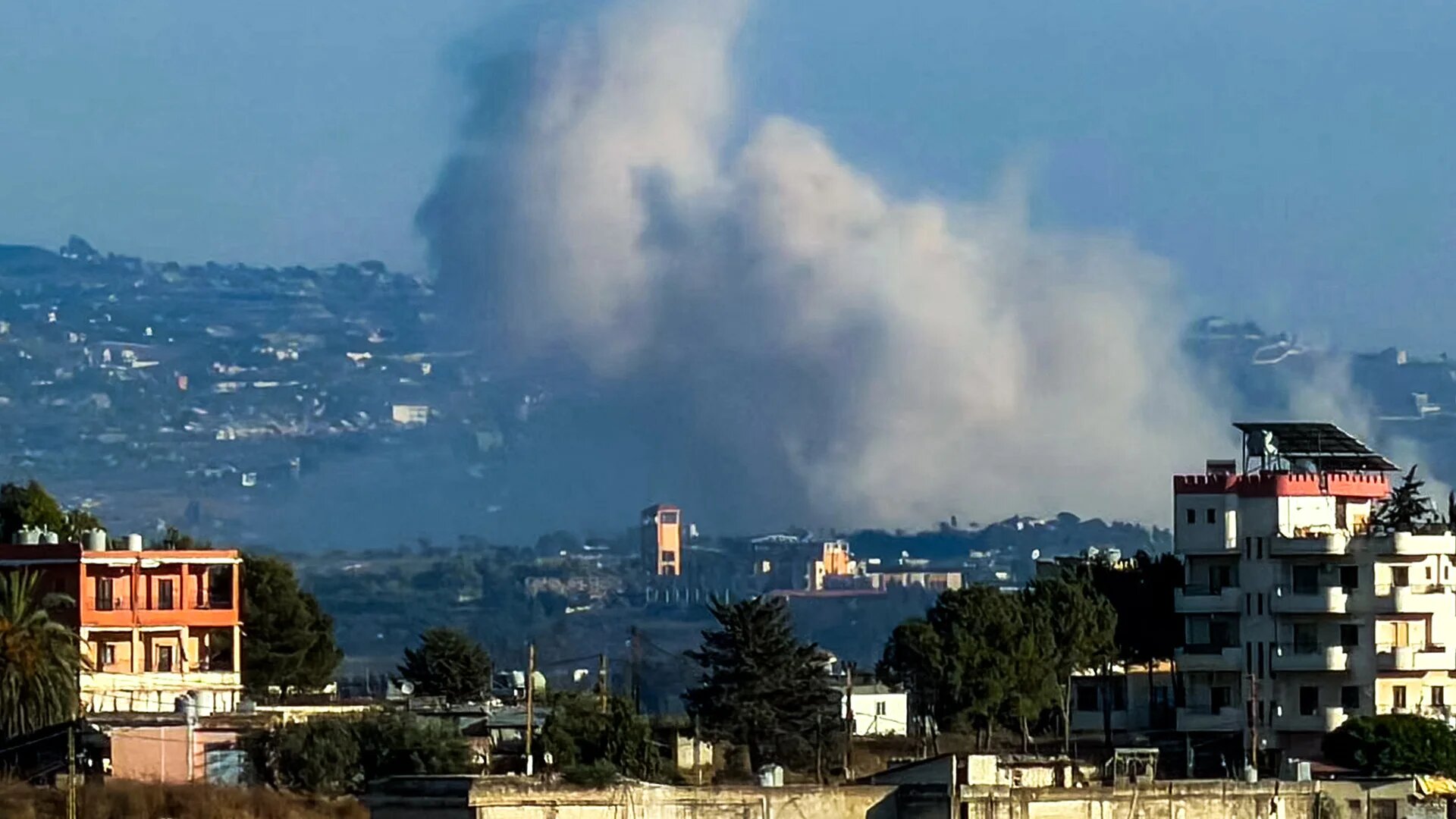
Israeli attacks have killed at least 4,324 people in Lebanon since early March, illustrating the severe impact of ongoing hostilities. The ongoing conflict has seen significant military activity across the border regions, leading to a substantial number of casualties on both sides. This broader context of hostilities shows the sensitive nature of operations, including the recent repatriation of Patrick Bakarian's remains, which often require careful diplomatic and humanitarian intervention. The International Committee of the Red Cross (ICRC) has frequently been involved in mediating humanitarian issues arising from the conflict, such as prisoner exchanges and the return of deceased individuals, noting their key role in de-escalating tensions and addressing human suffering. The high casualty count reflects the persistent tensions and exchanges of fire that characterize the current situation along the Israel-Lebanon border, where even humanitarian actions are often conducted under duress. These figures highlight the severe human cost associated with the continuing hostilities in the region, making every successful repatriation a notable humanitarian achievement amidst the broader conflict.
Delivery and Next Steps
The remains of Patrick Bakarian were delivered by the International Committee of the Red Cross (ICRC), acting as a neutral intermediary. The humanitarian organization facilitated the transfer, which marked the culmination of efforts to repatriate the soldier's body after nearly three months. The ICRC frequently plays a role in mediating sensitive exchanges between Israel and Lebanon, particularly concerning human remains or detainees, given the lack of direct diplomatic ties between the two countries. Their involvement shows the complex diplomatic and logistical challenges associated with such transfers in a contested border region, where trust and communication are often strained. The delivery process itself involves careful coordination between multiple parties, including military and humanitarian personnel, to ensure the dignified and secure passage of the remains across the border. Following the handover, Lebanese authorities are expected to proceed with the necessary arrangements for Bakarian’s burial, allowing for a respectful farewell. This return allows his family to conclude a period of uncertainty regarding his final resting place and begin the grieving process with his body returned to his homeland.