A sixth round of US-brokered talks between Lebanon and Israel concluded in Rome, aimed at addressing ongoing security concerns between the two nations. These discussions represent the latest diplomatic effort to navigate the complex and often volatile relationship between the two neighbors. Lebanese security and political officials told The National on Wednesday that military delegations will meet in the coming days to establish a timetable. This timetable is intended for setting up two pilot zones in south Lebanon, from which the Israeli military is expected to eventually withdraw. The establishment of these zones is seen as a key step towards de-escalation and the potential for a more stable border region. However, the path to achieving lasting security remains fraught with challenges, as historical grievances and present-day military realities continue to complicate negotiations.
Echoes of Occupation
The current circumstances in Lebanon evoke comparisons to the 1980s invasion and the subsequent years-long occupation by Israel, according to some analysts. This perspective suggests a historical parallel in the ongoing security dynamics between the two nations, despite the US-brokered talks aimed at de-escalation. The memory of past conflicts and foreign military presence continues to shape Lebanese perceptions of the current security environment, making any proposed resolutions subject to intense scrutiny. The comparisons highlight a deep-seated distrust and a concern that current agreements might not fundamentally alter the power imbalances that have historically led to conflict. This historical lens shows the profound skepticism many Lebanese harbor regarding the intentions and potential outcomes of the current diplomatic efforts. The lingering impact of the 1980s invasion and occupation serves as a constant reminder of the vulnerability of Lebanese sovereignty.
Ongoing Military Actions
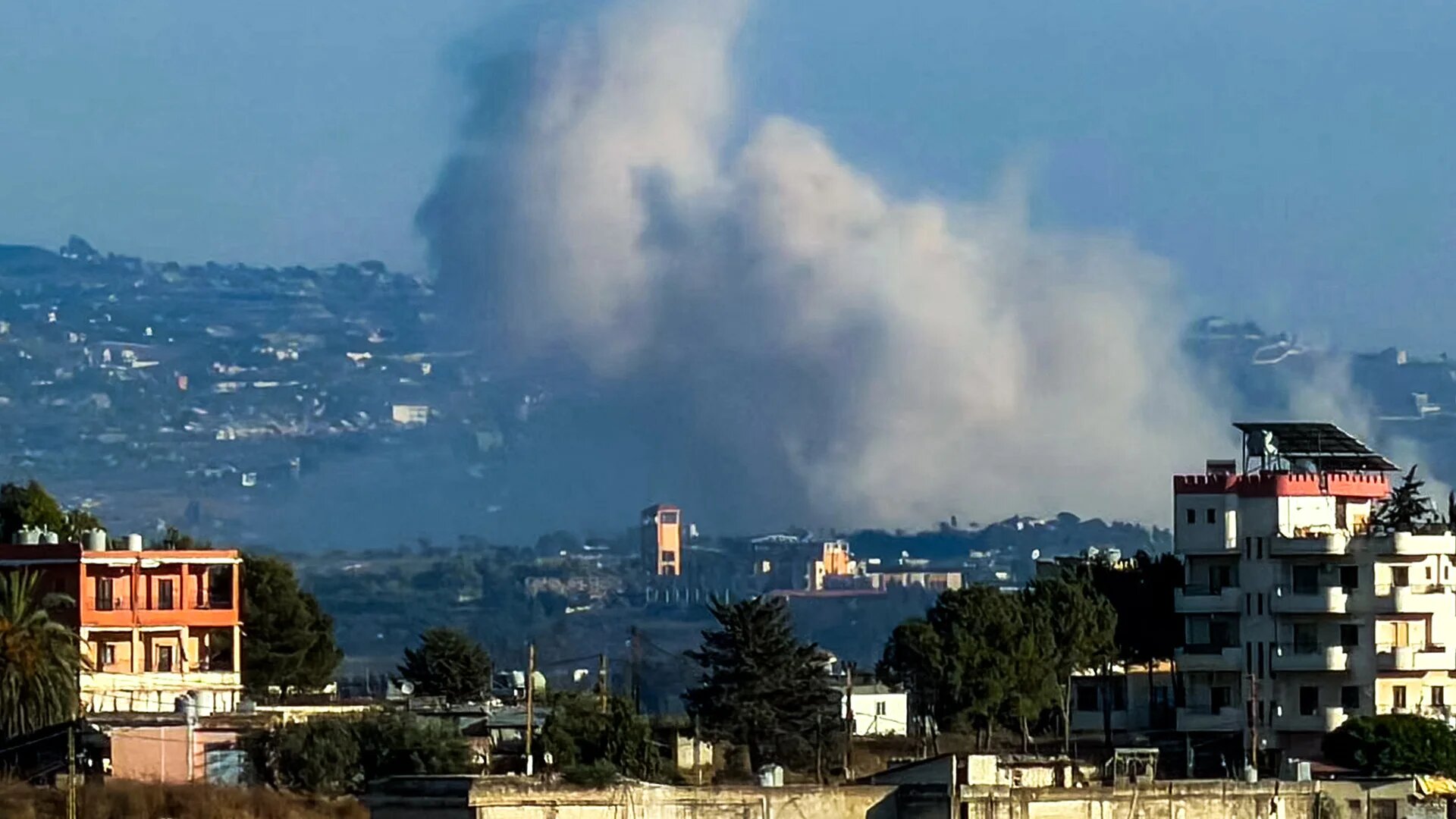
The Israeli army has maintained daily attacks on southern Lebanon, including in areas near the pilot zones envisioned in the Rome framework for de-escalation. These sustained military operations complicate the prospects for meaningful progress in the US-brokered talks, as they create an environment of continued tension and insecurity. Iran-backed Hezbollah continues to carry out military activities in the region, according to reports, further contributing to the volatile situation. Amid these ongoing actions, Israel reportedly operates with near-total military freedom and faces few constraints. This perceived lack of accountability for its military actions raises questions about the efficacy of diplomatic efforts to rein in hostilities and establish a genuine cessation of conflict. The continued military engagements by both sides show the fragility of any proposed peace or de-escalation framework. The daily reality on the ground, marked by military incursions and counter-actions, stands in stark contrast to the diplomatic overtures being made in Rome.
Questionable Stability Proposals
Suggestions for stabilizing the situation, which include the possibility of Syria sending its forces, have been described as unserious. This assessment indicates skepticism regarding the viability of such proposals in addressing the complex security challenges faced in the region. The idea of introducing Syrian forces is seen by many as a potentially destabilizing factor rather than a solution, given Syria's own complex internal dynamics and historical involvement in Lebanon. The focus remains on finding effective and credible mechanisms to ensure stability, with a clear understanding that superficial or historically problematic solutions will not suffice. The rejection of such proposals notes the deep understanding among observers that any lasting peace must be built on strong, locally-supported frameworks rather than external interventions that could exacerbate existing tensions. The gravity of the situation demands serious, well-considered strategies, not proposals that might introduce new layers of complexity or conflict.
Future Instability Warnings
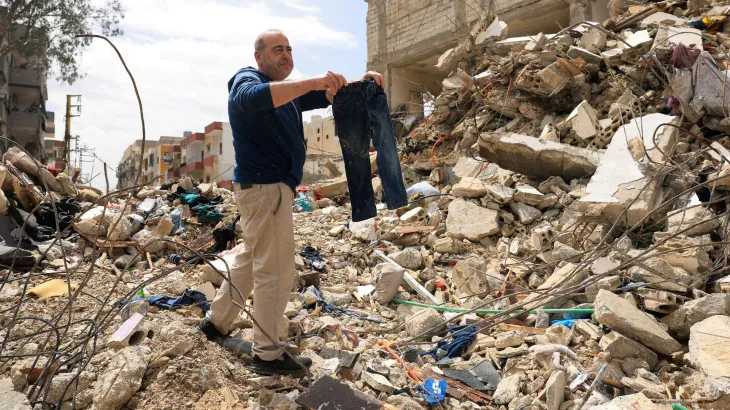
The article cautions against potential outcomes that could see Beirut's government diminished to a marginalized administration, reminiscent of the Palestinian Authority. Such a scenario would imply a severe erosion of Lebanese sovereignty and self-governance, leaving the country's leadership with little effective control over its own territory and destiny. It also warns against scenarios where the country faces repeated aerial bombardments, leading it to resemble Gaza. This grim comparison shows the potential for widespread destruction, humanitarian crisis, and a complete breakdown of civil life should the current security trajectory continue unchecked. Such developments would signify a severe deterioration of the political and security landscape, with profound and lasting consequences for the Lebanese people and the broader region. These warnings serve as a stark reminder of the high stakes involved in the ongoing negotiations and the urgent need for viable, long-term solutions to prevent further descent into conflict and instability. The future of Lebanon hinges on the ability of all parties to learn from past mistakes and commit to a path of genuine peace and respect for sovereignty.