Syrian and Lebanese security forces are currently coordinating daily on counter-terrorism efforts, drone threats, and intelligence sharing. This intensified cooperation between the two nations' security apparatuses comes as regional dynamics continue to evolve. The daily coordination represents a deepening of security ties between Damascus and Beirut, focusing on shared challenges in border security and threat mitigation. This information was updated on July 16, 2026, at 10:18 AM, reflecting ongoing developments in their collaborative security posture. The daily coordination between Syrian and Lebanese security forces encompasses critical areas such as counter-terrorism strategies, addressing emerging drone threats, and enhancing intelligence sharing mechanisms. This consistent engagement notes a concerted effort to bolster regional stability and address common security concerns.
Daily Security Coordination Details
Lebanon has indicated its readiness to arrest and extradite former supporters of the Bashar Al Assad regime who crossed the border into Lebanese territory. Such actions would be contingent upon Syrian court-backed judicial requests. Syria's former rulers maintained alignment with Iran and Hezbollah. This readiness shows a significant shift in Lebanon's stance regarding individuals associated with the previous Syrian government, signaling a willingness to cooperate on judicial matters that could have broader implications for regional political dynamics. The process would strictly adhere to legal frameworks, requiring explicit judicial requests from Syrian courts to initiate any arrests or extraditions. This move also notes the complex historical relationship between the two nations, particularly given Syria's occupation of Lebanon from 1976 to 2005, a period that deeply shaped Lebanon's political and security landscape.
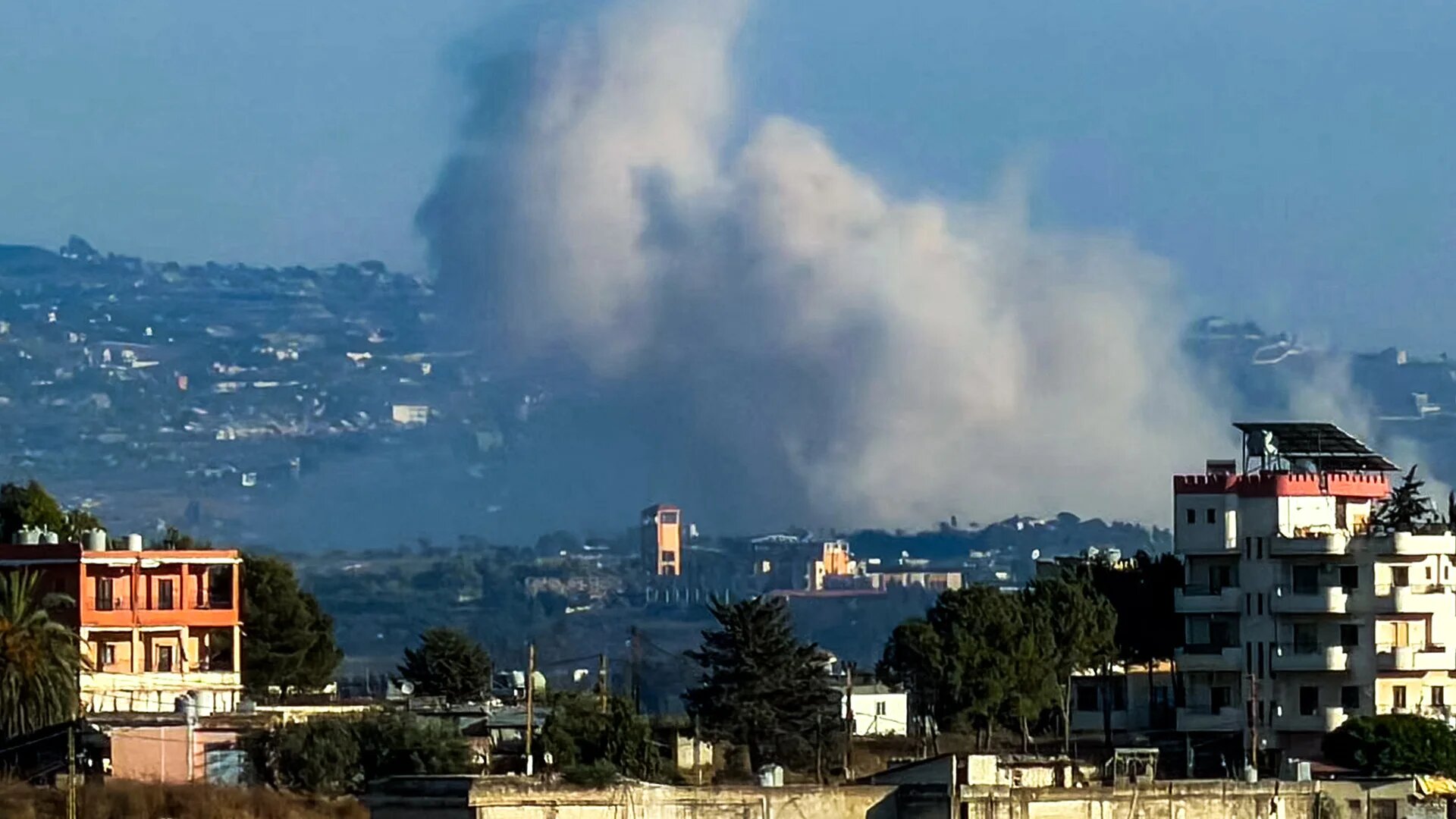
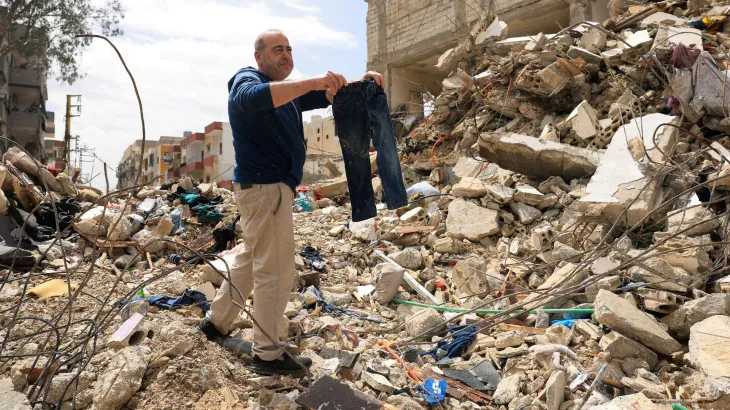
Recent developments have seen Hezbollah severely weakened following an Israeli offensive in 2024. This weakening of a key non-state actor in the region adds another layer of complexity to the security landscape that both Syria and Lebanon are navigating. The operational capacity and influence of Hezbollah have been significantly impacted by the offensive, prompting a re-evaluation of regional power balances.
Amid these shifts, Beirut is described as the "safest place" in Lebanon. This assessment of the capital's security status provides a contrasting perspective against the backdrop of broader regional instability and the ongoing security coordination efforts. The relative safety of Beirut could be attributed to various factors, including concentrated security measures and the strategic importance placed on maintaining stability in the capital. The first meeting between President Joseph Aoun and Donald Trump is scheduled for July 21, indicating ongoing diplomatic engagements at the highest levels. This upcoming meeting is poised to address a range of bilateral and regional issues, reinforcing the diplomatic channels essential for navigating complex geopolitical challenges.
Broader Bilateral Relations
Lebanon and Syria established a joint higher committee earlier this month to enhance cooperation across various sectors, including trade, electricity, and security. This move signals an effort to deepen bilateral ties beyond the immediate security coordination. The formation of the committee comes as both nations navigate evolving regional dynamics and seek to formalize mechanisms for collaboration on shared interests. Such a committee is expected to provide a structured platform for ongoing discussions and joint initiatives, fostering greater integration in areas critical for economic development and regional stability. The establishment of this joint higher committee represents a significant step towards institutionalizing cooperation, moving beyond ad-hoc arrangements to a more formalized partnership. This full approach aims to address shared challenges and capitalize on opportunities for mutual benefit across multiple strategic sectors. The historical context of Syria's occupation of Lebanon from 1976 to 2005 also informs the cautious yet pragmatic approach to deepening these bilateral ties, as both nations seek to forge a relationship based on sovereign equality and mutual respect. This formalization of cooperation is particularly relevant as the region experiences significant geopolitical shifts and reconfigurations of alliances.
Regional Context and Priorities
Plans to disarm Hezbollah have faced complications due to regional unrest that originated from the October 7, 2023, Hamas-led attacks against Israel. This widespread unrest has diverted attention and resources, making the already challenging task of disarming non-state actors even more intricate. The repercussions of the October 7, 2023, attacks continue to reverberate across the Middle East, influencing security priorities and diplomatic efforts. Amid these regional dynamics, Beirut's primary focus remains Israel's full withdrawal from southern Lebanon. This long-standing demand shows a fundamental aspect of Lebanon's national security and sovereignty concerns. The continued presence of Israeli forces in contested areas remains a significant point of contention and a key driver of Lebanese foreign policy.
US President Donald Trump reportedly asked Syrian President Ahmad Al Shara to "take care" of Hezbollah, indicating a diplomatic push to address the group's influence. This high-level request from the US President notes the international community's concern over Hezbollah's role and its impact on regional stability. Such a request also signals the complexities of international diplomacy in a region where various state and non-state actors hold significant sway. However, US-brokered peace talks attempting to resolve the long-standing issues between Israel and Lebanon have not yet resulted in a breakthrough. Despite persistent diplomatic efforts, the intricate web of historical grievances, territorial disputes, and security concerns has thus far prevented a definitive resolution. The failure to achieve a breakthrough in these peace talks shows the profound challenges inherent in mediating conflicts of such deep-seated nature.
Lebanese President Joseph Aoun is scheduled to arrive in Washington on July 21 for his initial in-person meeting with US President Donald Trump. This upcoming meeting shows ongoing diplomatic efforts concerning the region's security landscape. The discussions are expected to touch upon the broader geopolitical shifts influencing both nations, including the persistent challenges posed by various armed groups and cross-border security concerns. The complexity of regional alliances further shapes the priorities for both Lebanese and Syrian leadership. President Aoun's visit to Washington is anticipated to be a key opportunity to articulate Lebanon's perspectives on regional stability, security challenges, and the path forward for peace. The dialogue between the two leaders will likely cover strategies for counter-terrorism, the future of Hezbollah, and the prospects for renewed peace initiatives in the broader Middle East. The US, with its significant diplomatic influence, is keen to foster stability and address the root causes of conflict in the region.