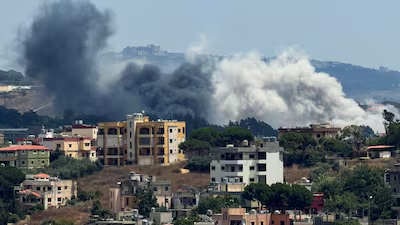
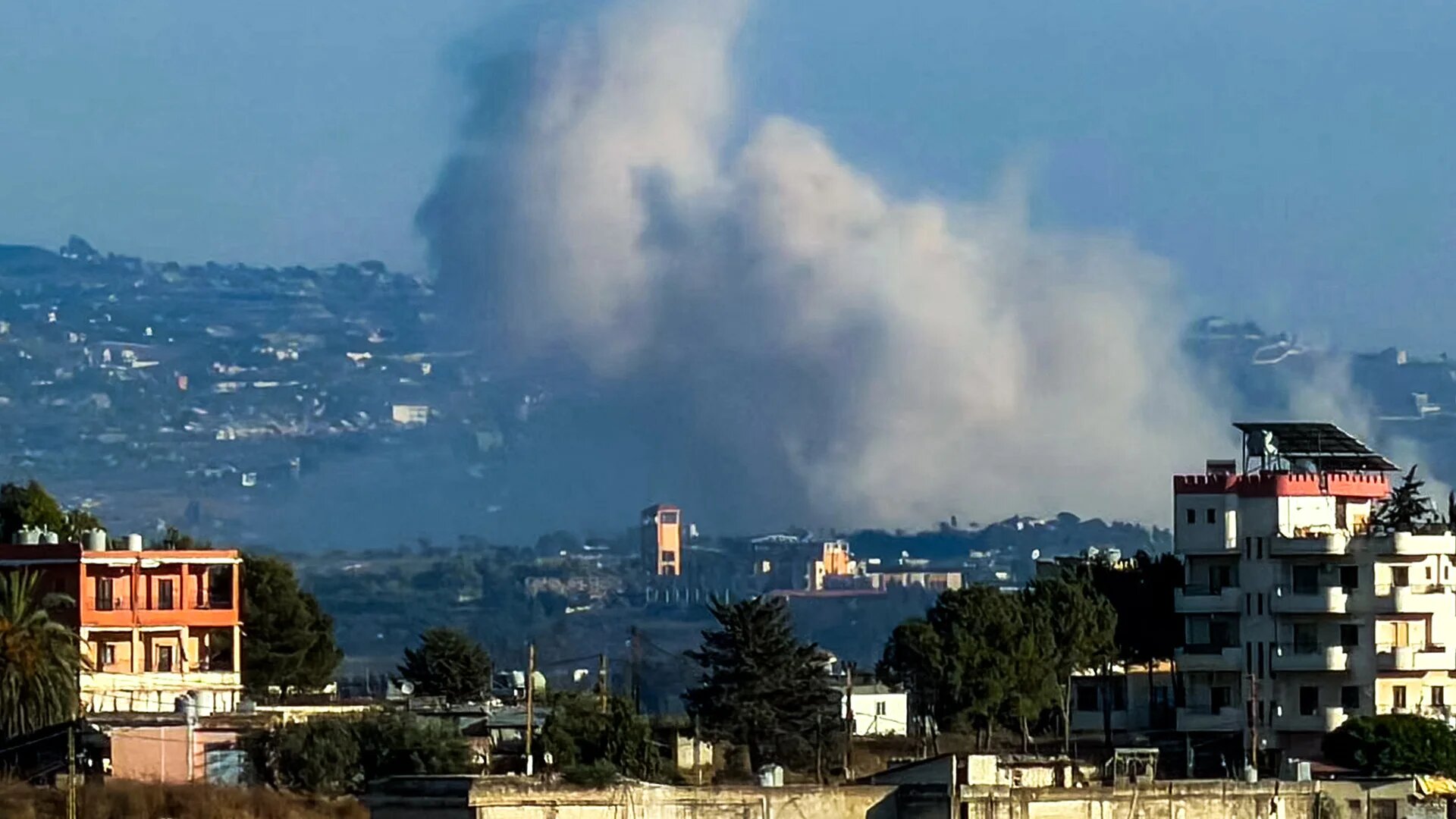
Former US President Donald Trump has suggested that Syrian forces should intervene against Hezbollah in Lebanon. This proposition, made during an interview with Fox News on Tuesday, has immediately sparked considerable debate and discussion across the region. Trump stated that Syrian forces, under the leadership of President Ahmed Al-Sharaa, would confront Hezbollah in a manner that would avoid widespread destruction. He articulated his perspective by saying, "He would go in and take care of Hezbollah and he’d do it in a different way. He wouldn’t knock down buildings. I hated to see buildings knocked down." Trump further elaborated on his view of a potential Syrian operation, emphasizing a perceived difference in tactical approach: "I think he’d be more precise, yeah, and I can tell you I know he’d like to do it."
Trump's Diplomatic Maneuvers and Controversial Proposals
During his appearance on Fox News, Donald Trump specifically suggested that Syrian President Ahmed Al-Sharaa "would be more precise than Israel" in confronting Hezbollah. This claim showed Trump's belief in a distinct operational capability and approach from the Syrian leadership. The former US President also indicated he was "thinking about" giving President Al-Sharaa a "green light" for such an intervention, signaling a potential shift in US policy regarding regional military engagements. This idea of a US endorsement for Syrian military action against Hezbollah has drawn immediate attention from international observers and regional powers alike.
Separately, in a significant diplomatic exchange, Trump reportedly asked Israeli Prime Minister Benjamin Netanyahu to withdraw Israeli troops from Syria and Lebanon during a phone call last Thursday. This request came amid heightened tensions in the Levant. During that conversation, Trump explicitly told Netanyahu that the continued presence of Israeli troops on Syrian territory was creating tension and could lead to broader military escalation. He warned that this situation had the potential to ignite a wider conflict in an already volatile region. Netanyahu reportedly countered Trump's assertion, arguing that Israel required "security zones" in both Lebanon and Syria for its national defense. This retort noted Israel's perceived security imperatives in maintaining a military presence in these border areas. This exchange follows the 2024 overthrow of the Assad regime, after which Israel occupied areas of Syria beyond the Golan Heights, further complicating the regional security landscape. The Israeli occupation of these additional Syrian territories has been a point of contention, adding to the complexity of any proposed military or diplomatic solutions in the area.
Syrian and Expert Reactions to Trump's Plan
The proposal put forth by former US President Donald Trump for Syrian intervention against Hezbollah has been met with skepticism and strong criticism from within Syria. Syrian observers conveyed to The New Arab that Trump's plan would be deemed "stupid" given the intricate and sensitive sectarian dynamics of the region. These observers noted the deep-seated religious and political divisions that characterize the Levant, suggesting that such an intervention could inadvertently exacerbate existing tensions rather than resolve them.
Syrian President Ahmed Al-Sharaa had previously ruled out any intervention in Lebanon specifically targeting Hezbollah, indicating a clear policy stance that predates Trump's recent suggestion. This prior declaration from the Syrian leadership shows the unlikelihood of such an operation coming to fruition. Robin Yassin-Kassab, a Syrian author and keen observer of regional politics, stated unequivocally that President Al-Sharaa is "not stupid" and would not undertake the actions Trump suggested.
Yassin-Kassab specifically addressed the feasibility and wisdom of such a move, saying, "There is no way the Syrian government is going to do that. You can criticise Ahmed al-Sharaa for lots of things, but he isn’t stupid, and you would have to be stupid to do what Trump is talking about." This perspective from a knowledgeable Syrian voice emphasizes the profound unlikelihood of Syria engaging in the proposed military action, citing both strategic prudence and a clear understanding of regional complexities. Syrians are reportedly exhausted by the years-long conflict that has impacted their country, a factor that observers suggest would weigh heavily on any decision regarding further military involvement beyond its borders. The sentiment among many in Syria indicates a strong desire to avoid new fronts of conflict or destabilization, prioritizing internal recovery and stability over external military adventures. This widespread weariness from prolonged conflict adds another layer of resistance to any suggestion of new military engagements.
Regional Context and History of Hezbollah's Involvement
Hezbollah has a significant history of military involvement in Syria. The group previously intervened in Syria, lending its substantial support to the regime of former dictator Bashar al-Assad during the country's protracted conflict. This deep and active involvement showed the strong strategic and ideological ties between the Lebanese group and the Syrian government under Assad, forming a critical axis of power in the region. Hezbollah's military assistance was key in bolstering the Assad regime's position against various opposition forces throughout the civil war.
However, the political landscape in Syria significantly shifted with the overthrow of Bashar al-Assad in December 2024. This monumental change in leadership fundamentally altered the dynamics within Syria and its relationships with regional actors, including Hezbollah. The prior intervention by Hezbollah on behalf of the Assad regime reflected a strategic alliance that has since been impacted by the new political realities in Damascus. The fall of Assad introduced a new era, necessitating a re-evaluation of alliances and strategies for all parties involved. This transformation in Syrian leadership adds a complex layer to any discussions about potential future interventions, particularly those involving Hezbollah.