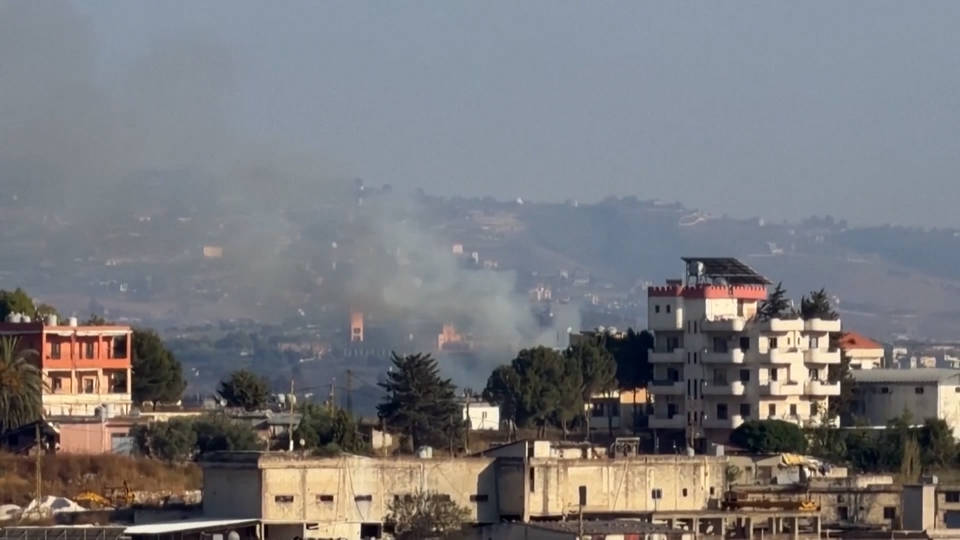
The United States plans to assist in monitoring compliance by the Lebanese and Israeli armies with a framework agreement signed between the two sides to end the war, the Washington Post reported, citing a U.S. Official. Citing the U.S. Official, the newspaper indicated that Washington would oversee the adherence of both nations' military forces to the terms of the recently signed accord. This oversight mechanism aims to ensure stability and prevent further escalation between Lebanon and Israel, particularly concerning activities in southern Lebanon. The initiative reflects international efforts to solidify a lasting cessation of hostilities between the two sides, following persistent tensions and intermittent clashes. The involvement of the United States shows the international community's commitment to de-escalation and the establishment of a more stable security environment along the border.
US Monitoring Role Detailed
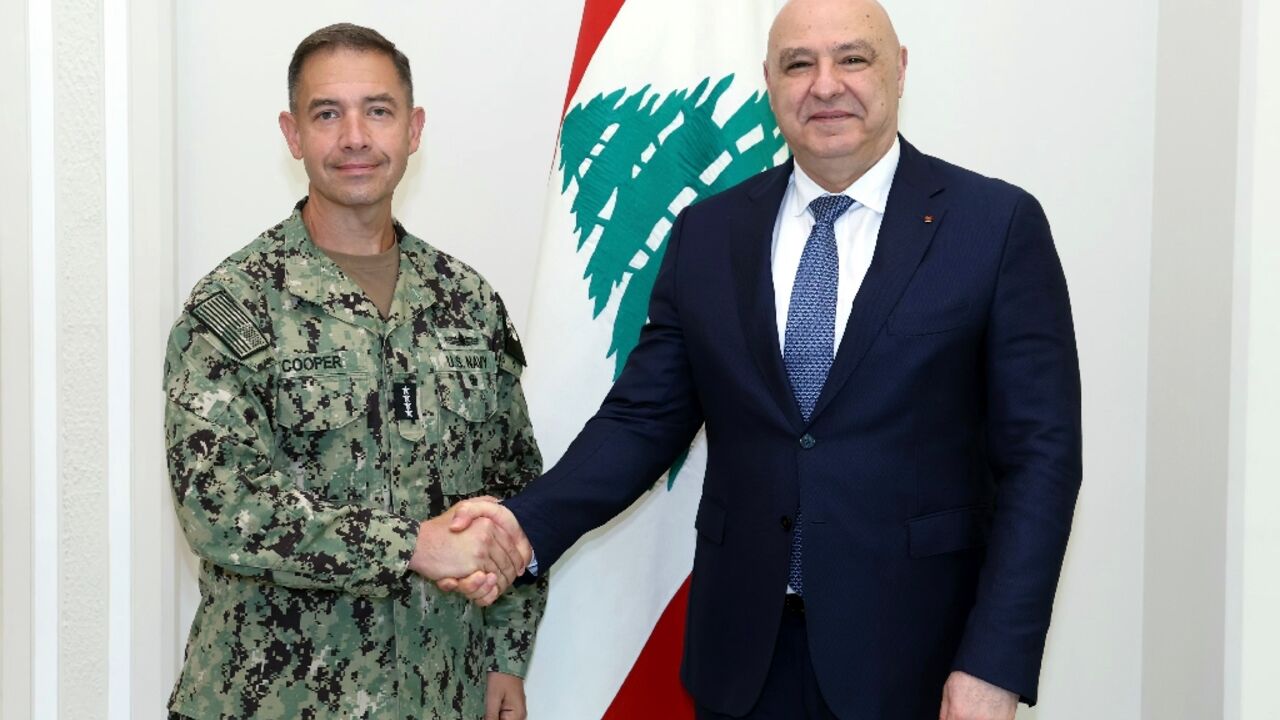
The monitoring role will involve deploying American personnel on the ground in both Lebanon and Israel to help ensure both sides adhere to the agreement. The United States has maintained personnel in Lebanon since the 2024 agreement as part of a monitoring mission, the official noted, adding that those forces will now oversee both parties and document any violations of the framework. According to an official, these forces will now oversee both parties and document any violations of the framework, providing an impartial assessment of compliance. The official stated, "We will monitor the implementation of the framework agreement with complete neutrality and objectivity." This expanded mandate for existing personnel shows the US commitment to impartial oversight of the accord, aiming to build trust between the historically adversarial nations. The presence of American personnel is intended to act as a deterrent against infractions and to provide a clear channel for reporting and addressing any breaches of the agreement.
Obstacles to Agreement
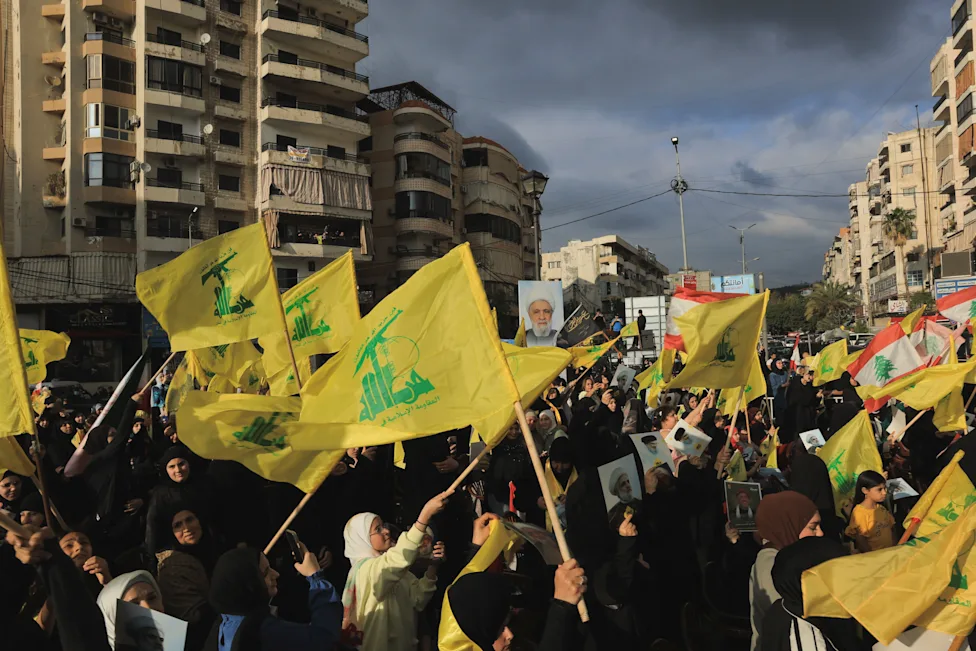
Hezbollah, the Amal Movement, and other political factions in Lebanon have expressed strong opposition to the proposed framework agreement. These groups have publicly rejected the deal, characterizing it as a significant threat to Lebanese sovereignty. Their stance indicates potential internal challenges to the agreement's implementation within Lebanon. The reservations from these influential political and military organizations could complicate efforts to fully establish and maintain the compliance framework, despite the planned US oversight. Securing broad political acceptance within Lebanon is seen as key for the long-term viability of any agreement with Israel, particularly given the deep political divisions and the powerful influence of non-state actors in Lebanese politics. The vocal opposition from these groups notes the complex domestic political landscape that must be navigated for the agreement to succeed.
Neutrality and Objectivity
Lebanon and Israel have signed a US-brokered framework agreement that outlines a phased Israeli withdrawal from southern Lebanon. In return, the agreement mandates the deployment of the Lebanese army and the disarmament of armed groups in the area. Implementation of the agreement is commencing, with the Lebanese army expected to begin deploying to the first two pilot zones under United States supervision. This initial deployment marks a critical step in the accord's execution, aimed at stabilizing the border region and addressing security concerns for both nations. The phased approach is designed to allow for careful monitoring and adjustment, ensuring that each step contributes to the overall goal of lasting peace. The US supervision during this critical phase is intended to build confidence and ensure adherence to the agreed-upon terms, fostering an environment where both sides can trust the implementation process.
Broader Implications
Israeli officials have insisted that no withdrawal will occur before Hezbollah disarms. Concurrently, leaked details from a reported secret security annex indicate that Israeli forces would maintain operational freedom in southern Lebanon without a fixed withdrawal timetable. This suggests potential complexities in the implementation of the US-brokered framework agreement. The conditions outlined by Israeli officials and the annex's contents highlight challenges regarding the sequencing of disarmament and withdrawal, which could impact the broader stability in the region. The Israeli position reflects long-standing security concerns regarding armed groups operating near its border. The discrepancies between the public framework and the reported annex details show the delicate balance of interests and the significant hurdles that remain in achieving a full and mutually acceptable resolution to the conflict. The process will require careful diplomacy and consistent monitoring to overcome these entrenched positions and ensure the agreement's long-term success.