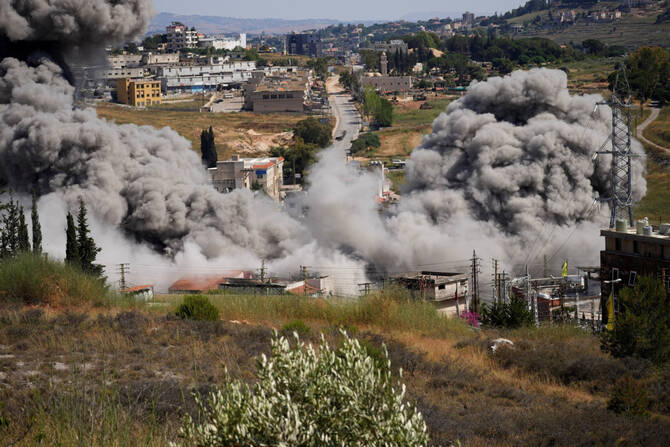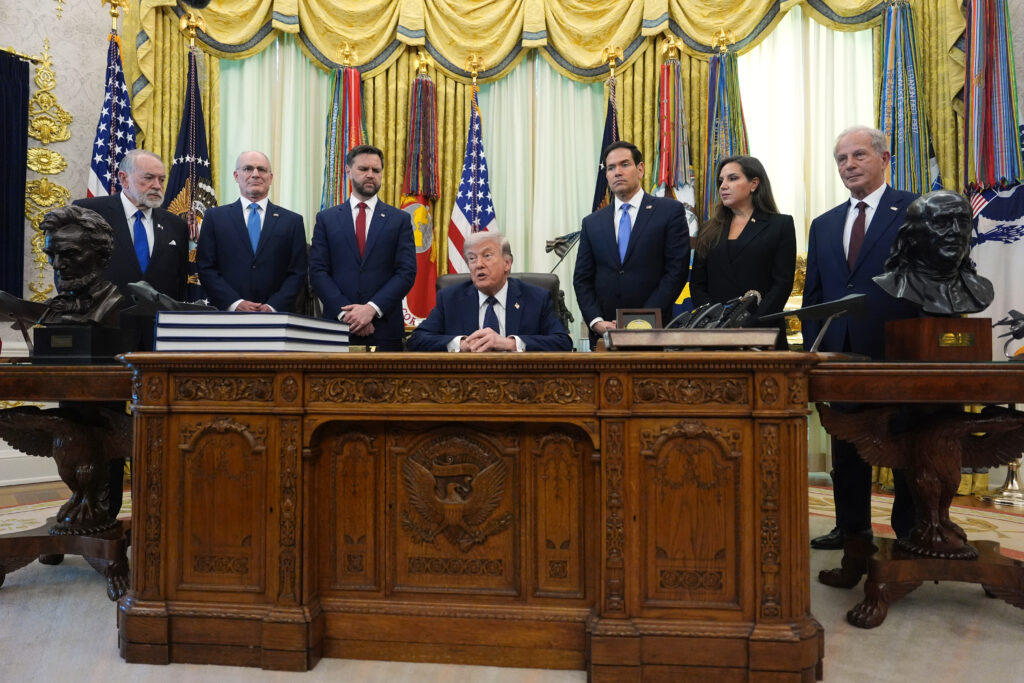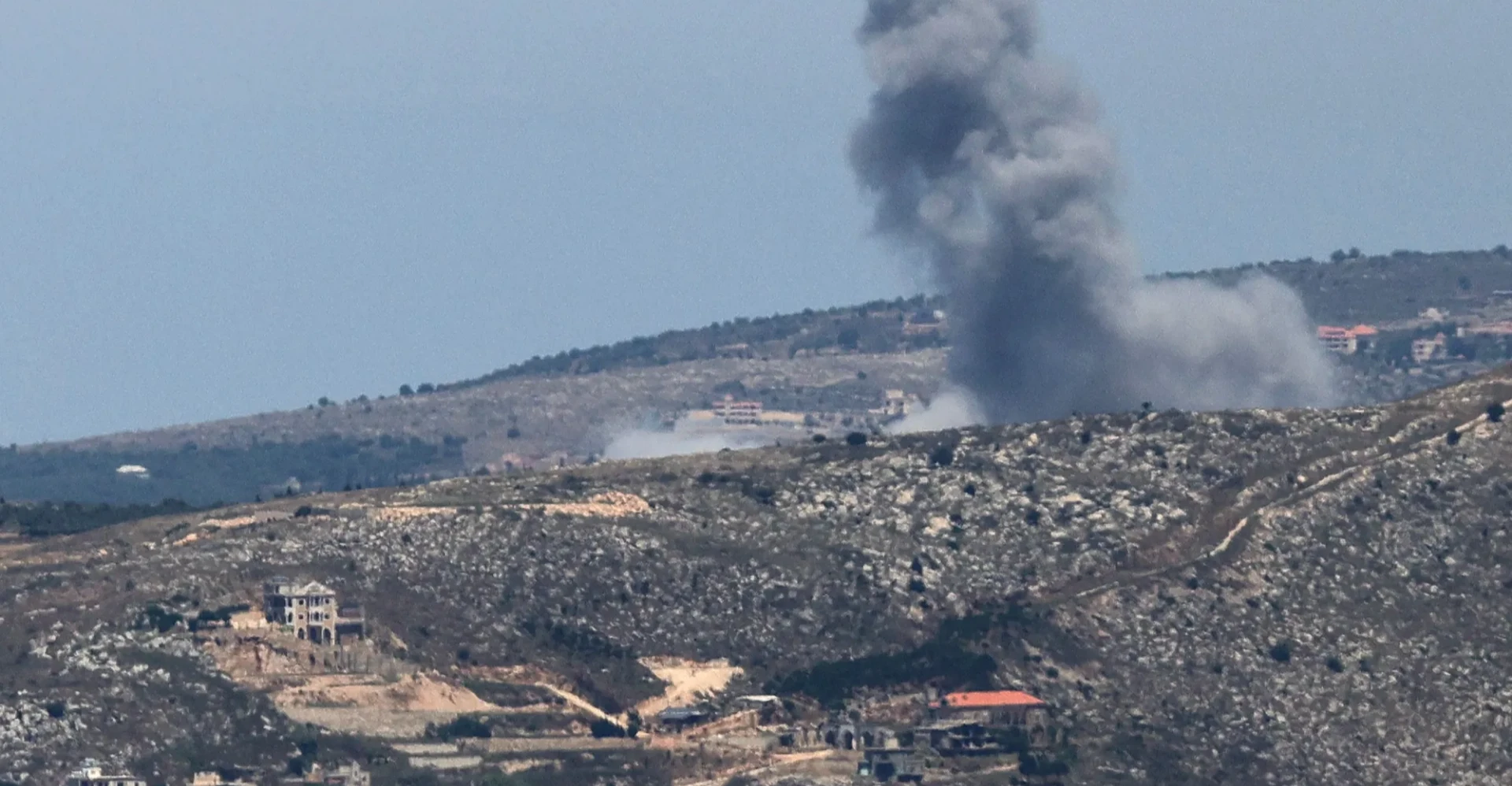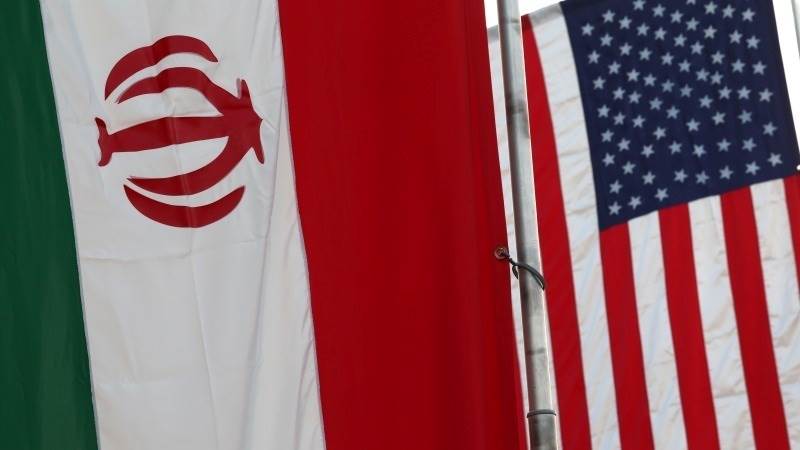
The United States has reportedly restricted Israel’s military activity in Lebanon under a recently signed understanding with Iran, according to claims regarding a new reality imposed by Washington. This development has led to a halt in attacks between the Israeli army and Hezbollah, effectively changing the operational landscape in the region. The understanding between the U.S. And Iran is said to specifically limit Israeli military actions within Lebanese territory, thereby imposing a new reality in the volatile border region. This new reality, a direct result of the understanding, signifies a significant shift in regional power dynamics and operational freedom for Israeli forces. The United States has, in effect, imposed this new framework, fundamentally altering the parameters of engagement in Lebanon.
US-Brokered Ceasefire Takes Hold
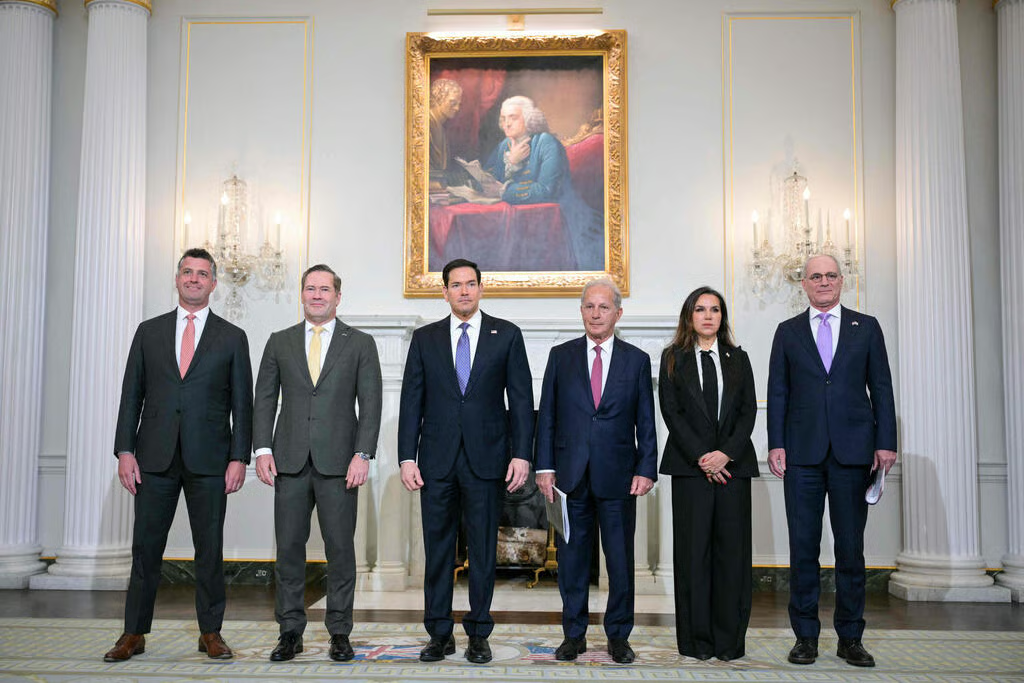
The Trump administration has reportedly succeeded in imposing a ceasefire in Lebanon, according to recent claims. This claim shows the diplomatic efforts spearheaded by the U.S. To de-escalate tensions in the region. This development coincides with Israel and Lebanon holding a fifth round of direct negotiations in Washington on Tuesday, suggesting a concerted push for stability. Amid these diplomatic efforts, the Israeli army has drawn down its forces in southern Lebanon, a tangible sign of de-escalation, and the Home Front Command has lifted some restrictions along the northern border, easing the burden on civilians. The cessation of hostilities between the Israeli army and Hezbollah is a direct outcome of these diplomatic maneuvers, marking a significant pause in what has been a protracted conflict. This halt in attacks between the two parties represents a critical step towards regional stability, even if tenuous.
A joint statement was issued by Qatari and Pakistani mediators regarding the creation of a "deconfliction cell." This cell is intended to ensure adherence to the termination of military operations in Lebanon, providing a mechanism for monitoring the ceasefire. Despite these de-escalatory steps, the Israeli army is reportedly preparing for “the next phase” in Lebanon. This preparation comes amid assessments that Tel Aviv will reposition its forces to “more responsible defensive lines” following the recent developments, indicating a strategic recalibration rather than a complete withdrawal. The establishment of the deconfliction cell, supported by international mediators, notes the complexity of maintaining peace in a region with deeply entrenched rivalries. The termination of military operations, while a significant achievement, is still subject to ongoing verification and strategic adjustments by all parties involved.
Netanyahu's Role and Public Perception
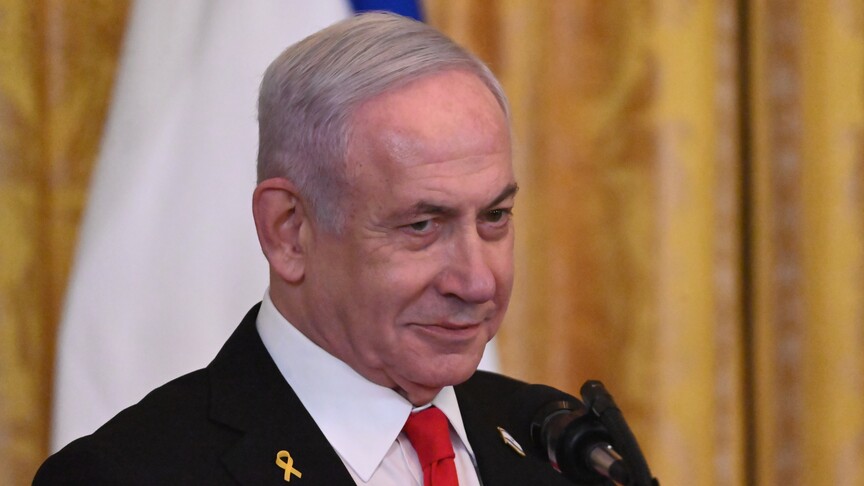
Prime Minister Benjamin Netanyahu is reportedly attempting to conceal facts from the Israeli public, according to Israeli media reports on Tuesday. This claim emerges amid increasing scrutiny of his government's actions and diplomatic engagements, particularly concerning the US-brokered understanding with Iran. The Israeli opposition has launched attacks against Netanyahu in recent days, accusing him of failure and suggesting he was humiliated by Donald Trump. The opposition's criticism stems from the US president's decision to exclude Israel from negotiations with Tehran concerning the recent understanding, a move that has sparked considerable domestic debate. This alleged attempt by Prime Minister Benjamin Netanyahu to hide key information from the Israeli public, as reported by Israeli media on Tuesday, has fueled political unrest and public distrust. The accusations of failure and humiliation leveled against Netanyahu by the Israeli opposition show the severity of the political fallout from these diplomatic developments.
Israel did not participate in the new mechanism established to verify the ceasefire in Lebanon, according to Israel’s public broadcaster KAN on Monday. KAN reported that Israel’s non-participation is due to Iran's involvement in this verification process, a decision that notes the deep-seated mistrust between the two nations. This decision to remain outside the mechanism notes the complex diplomatic landscape and the differing approaches of regional actors, particularly concerning the role of Iran. The claim that Israel did not participate in the new mechanism to verify the ceasefire in Lebanon specifically because Iran is part of it, as reported by Israel’s public broadcaster KAN on Monday, reveals a fundamental ideological and strategic divide. This non-participation further isolates Israel from the direct oversight of the ceasefire, potentially complicating future de-escalation efforts.
Meanwhile, Israel continues to occupy various areas in southern Lebanon. Some of these territories have been held for decades, while others were reportedly seized during the 2023–2024 war. The ongoing occupation adds another layer of complexity to the regional dynamics, even as diplomatic efforts progress towards de-escalation in other areas. The reported attempts to hide facts from the public further complicate domestic perceptions of the government's foreign policy and security decisions, fostering an environment of uncertainty and skepticism. The continued occupation of these areas, some for decades and others more recently acquired during the 2023-2024 conflict, remains a significant point of contention and a barrier to a full peace agreement.
Geopolitical Motivations and Wider Context
The United States imposed restrictions on offensive operations last weekend, following three incidents in the Ali al-Tahar Ridge, also known as Beaufort Castle in southern Lebanon, which resulted in the deaths of six soldiers. These incidents served as a critical trigger for the US intervention, showing the urgency of de-escalation. According to Maariv daily, citing Israeli officials, the US-Iran talks have granted Tehran a "legitimate status" in Lebanese affairs, a development that has raised concerns in some quarters. US President Donald Trump is reportedly invested in achieving calm in Lebanon to fulfill a broader objective. Amos Harel stated, "US President Donald Trump is invested in achieving quiet in Lebanon to realize his grand goal: a stable arrangement in the Persian Gulf that would allow him to withdraw his forces from the region quickly and put it in his rearview mirror." This strategic motivation suggests that the US engagement in Lebanon is part of a larger regional realignment.
The US-Iran talks, which led to the understanding imposing restrictions on Israeli military activity, have, according to Maariv daily citing Israeli officials, inadvertently elevated Tehran's standing. This elevation of Tehran to a "legitimate status" in Lebanese affairs is a significant outcome of the negotiations, with long-term implications for regional power dynamics. The imposition of restrictions on offensive operations by the US last weekend was a direct response to the escalating violence, particularly after three specific incidents in the Ali al-Tahar Ridge (Beaufort Castle in southern Lebanon) resulted in the tragic deaths of six soldiers. These casualties likely spurred Washington to act decisively to prevent further escalation. Official Lebanese figures indicate that Israeli attacks in Lebanon have killed more than 4,100 people and injured over 12,000 others since March 2, painting a grim picture of the human cost of the conflict and noting the dire need for sustained peace efforts. The extensive casualties reported by official Lebanese figures show the devastating impact of the conflict on the civilian population, reinforcing the urgency of the US-brokered ceasefire and the ongoing diplomatic initiatives.