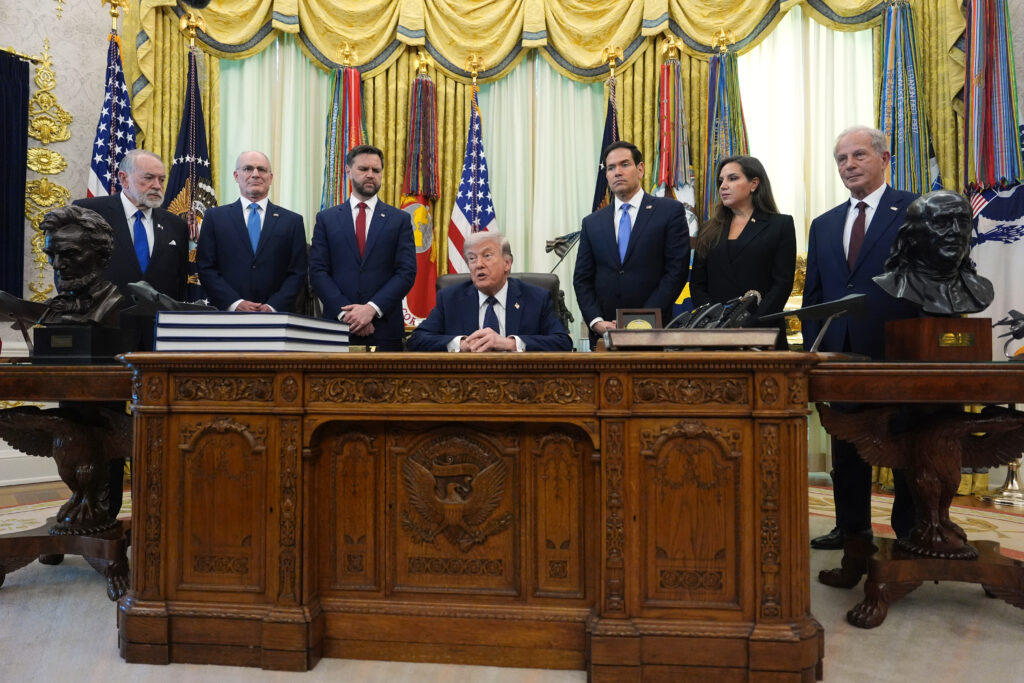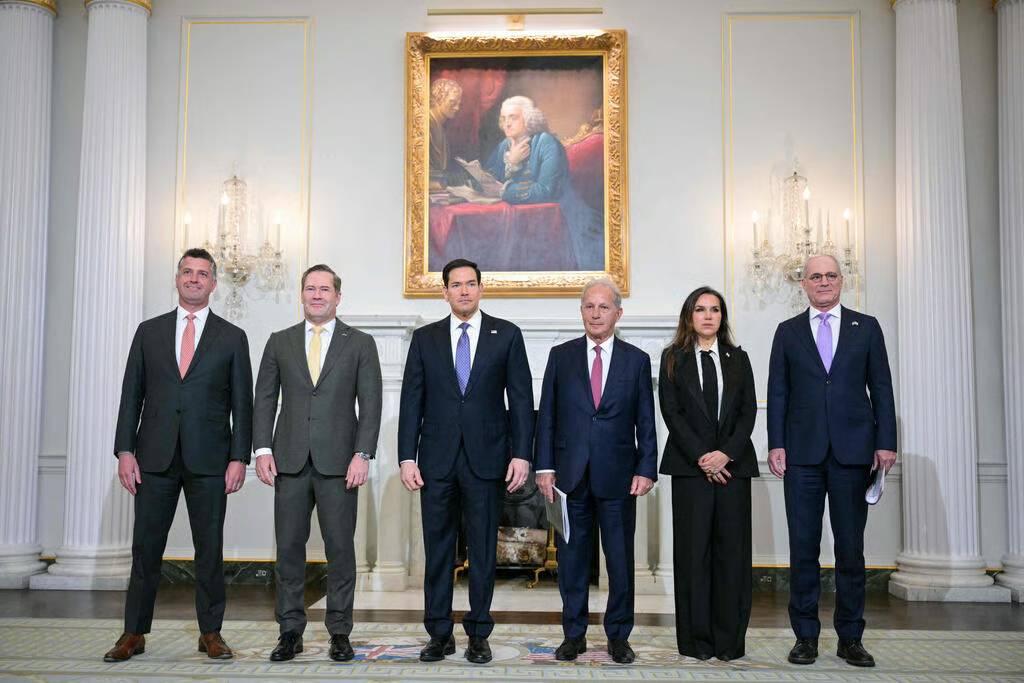
The fifth round of talks between Israel and Lebanon opened Tuesday in Washington and is expected to continue until Thursday, as the United States pushes for progress on stabilizing southern Lebanon. These key discussions are taking place against a backdrop of persistent regional instability and ongoing security concerns. The United States views Lebanon as a potential flashpoint that could threaten the broader agreement with Iran, according to reports, showing the strategic importance of these diplomatic efforts. The discussions aim to address ongoing security tensions and differing demands between the two nations, which have historically been at odds. Incidents on the ground continue to test the fragile ceasefire, even as diplomatic efforts proceed, noting the delicate balance negotiators must strike.
Security Incidents on Ground
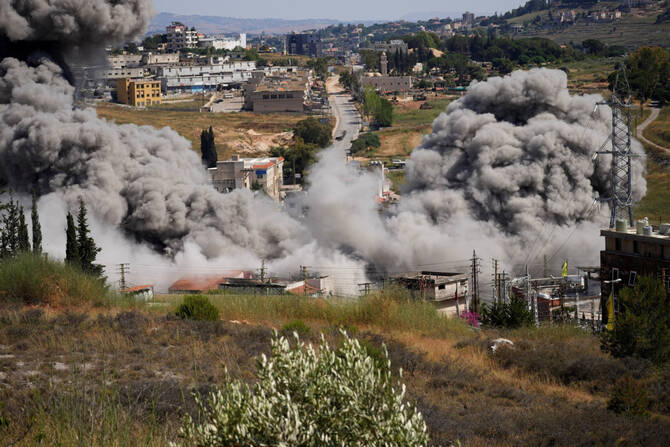
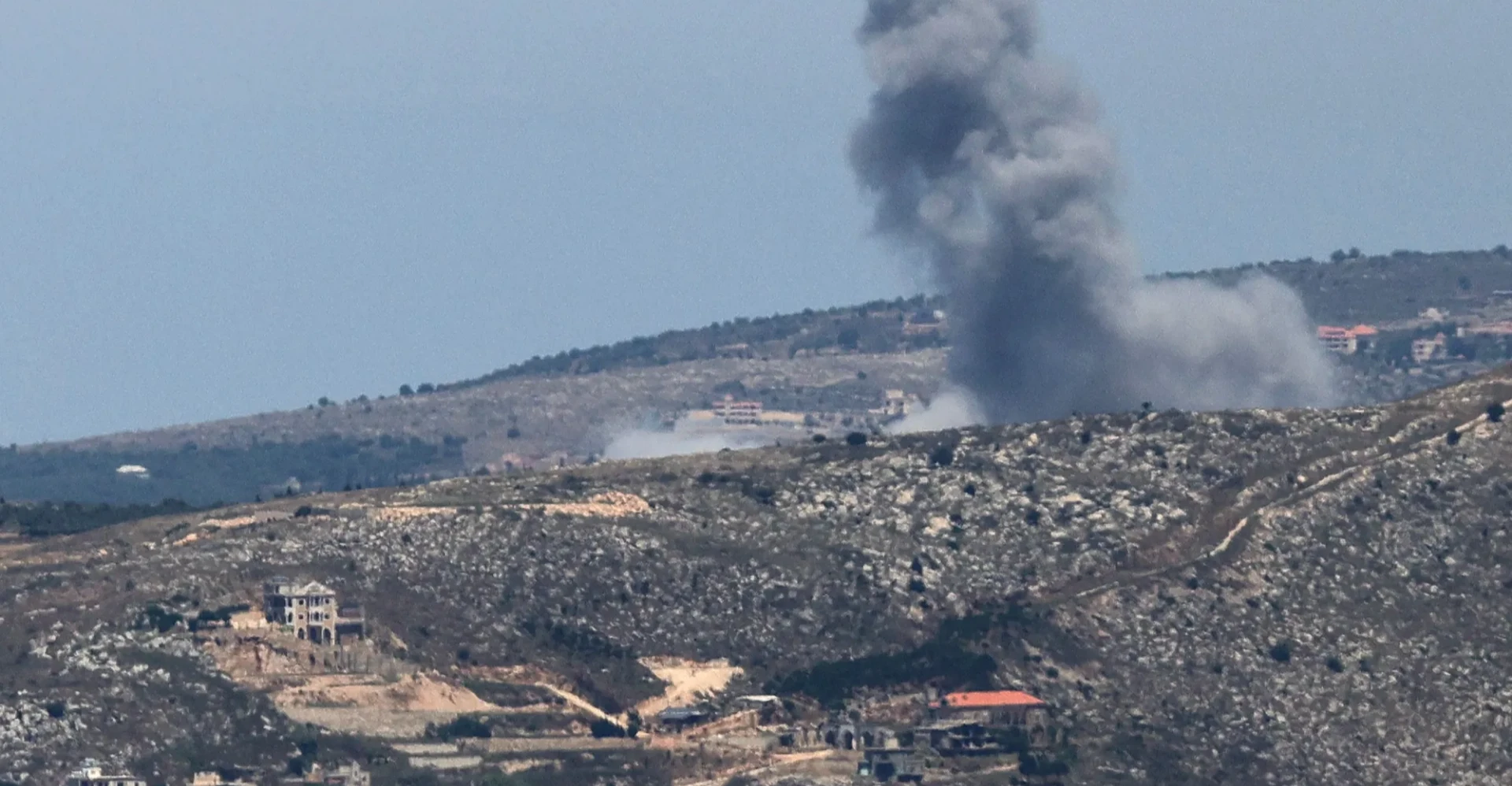
Shortly before the talks commenced, the IDF reported its troops fired at Hezbollah terrorists operating under civilian cover on the Ali al-Taher ridge in southern Lebanon. This engagement serves as a stark reminder of the volatile situation along the border, even as high-level diplomatic discussions are underway. The Israeli military stated it identified four Hezbollah terrorists riding a bulldozer and a motorcycle as they approached Israeli troops in the area, prompting the defensive action. This direct confrontation shows the immediate security challenges faced by Israeli forces in the region. Earlier on Tuesday, two individuals were reportedly killed by IDF fire in the village of Nabatieh al-Fawqa, located in southern Lebanon. These incidents occurred as diplomatic discussions got underway in Washington, illustrating the complex interplay between military actions and diplomatic overtures. The Israeli delegation to the talks includes military officials, signifying the integral role of security considerations in their negotiating position. Brig. Gen. Amichai Levin, head of the Strategic Division in the IDF Planning Directorate, is part of the military track, providing expert insight into tactical and strategic defense matters. Additionally, acting military attaché Erik Ben-Dov and other officers are attending, ensuring a full representation of Israel's defense establishment. These military representatives are expected to contribute significantly to discussions pertaining to border security and de-escalation mechanisms.
Negotiation Tracks and Stances
Lebanese President Joseph Aoun stated the U.S.-backed talks could be decisive, but insisted Beirut would accept nothing less than the end of Israel’s presence in southern Lebanon. Aoun was quoted saying, "The new round of U.S.-backed talks with Israel could be decisive, but stressed that Lebanon would accept nothing less than an end to what he called the “Israeli occupation” of southern Lebanon." This firm stance from the Lebanese leadership sets a clear, though challenging, objective for their negotiators. The current discussions are being held on two parallel tracks, addressing both political and military issues. This bifurcated approach allows for specialized focus on different aspects of the complex relationship between the two countries. The political track is expected to delve into broader diplomatic frameworks and long-term resolutions, while the military track will concentrate on immediate security arrangements and border protocols. Israel's delegation includes Ambassador to Washington Yechiel Leiter, who leads the diplomatic efforts, providing a high-level representation for the talks. National Security Council deputy foreign policy chief Yossi Draznin is also a key member of the Israeli team, bringing expertise in strategic foreign policy. Alongside them are other professional officials, ensuring a strong and well-informed negotiating presence. The composition of both delegations notes the multifaceted nature of the issues at hand, requiring expertise from both diplomatic and military spheres to navigate the complexities.
Lebanese television channel Al Jadeed claimed that the negotiations also include a possible exchange involving the remains of missing Israeli navigator Ron Arad and Lebanese prisoners held in Israel. This potential humanitarian exchange adds another layer of complexity and sensitivity to the talks, touching upon deeply emotional issues for both sides. Ron Arad disappeared nearly 40 years ago, making his case a long-standing and poignant unresolved matter for Israel. The inclusion of such a sensitive topic in the negotiations suggests a broader scope than mere border demarcation, indicating an attempt to address long-standing grievances and humanitarian concerns. Approximately three and a half months ago, Lebanese media reported that Israeli Defense Forces (IDF) special forces operated near the village of Nabi Sheet in eastern Lebanon in an attempt to locate Arad’s remains, but the operation was not successful. This prior attempt shows the persistent efforts by Israel to resolve Arad's fate and the significance of this issue in any potential agreement. The potential for such an exchange could serve as a confidence-building measure, or it could introduce additional points of contention, depending on the progress of the broader negotiations.
Broader Geopolitical Context
Israel insists it will not leave its current security line until Hezbollah is disarmed and southern Lebanon is demilitarized. This position shows a key point of contention in the ongoing discussions, representing a fundamental security demand for Israel. The security line Israel refers to has been a long-standing point of friction, with Beirut demanding Israel's complete withdrawal from what it considers Lebanese territory. This clash over territorial claims and security zones forms the bedrock of the dispute. The disarming of Hezbollah is a central Israeli demand, linking any potential security adjustments to the military capabilities of the Iran-backed group. Israel views Hezbollah's armed presence as a direct threat to its northern border and a destabilizing force in the region. This demand for the disarmament of a non-state actor presents a significant diplomatic hurdle, as it involves the internal politics and sovereignty of Lebanon.
The demand for a demilitarized southern Lebanon further complicates negotiations, as it would require significant changes to the security landscape along the border, effectively creating a buffer zone free of military forces. Israel's stance has been consistently articulated in various diplomatic forums and public statements, reflecting its critical security priorities in the region. These priorities are deeply rooted in historical conflicts and ongoing threats. The current round of talks is attempting to bridge these fundamental differences, which involve not only borders but also the presence and operational scope of non-state actors. The United States is facilitating these discussions, aiming to de-escalate tensions and foster a more stable environment between the two nations, recognizing the potential for wider regional implications. The complexity of these demands suggests a challenging path forward for the negotiators, who must navigate deeply entrenched positions and high-stakes security concerns to achieve any meaningful progress. The outcome of these talks could have lasting implications for regional stability and the future of the Israel-Lebanon border.