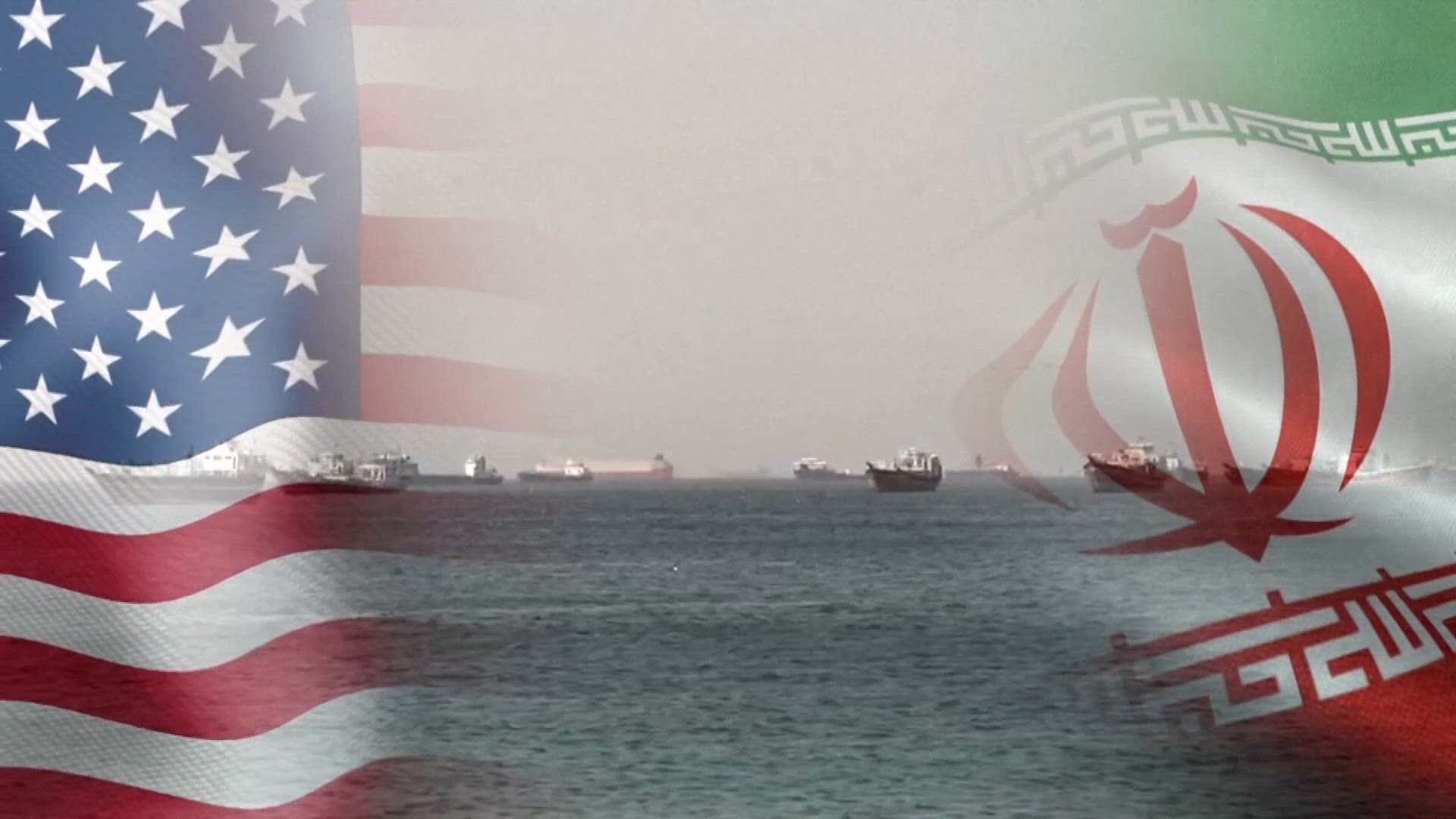
Conflicting signals emerged Monday from the U.S. And Iran regarding the status of negotiations aimed at extending a ceasefire and initiating talks to end the ongoing conflict. These developments unfold as Israeli troops have expanded their ground assault in Lebanon, pushing past the Litani River in what marks the broadest incursion into the country in a quarter-century, an operation that commenced several days prior. This ground assault by Israeli troops, which began several days ago, signifies a substantial escalation in the regional conflict. The escalation follows intensified actions by Hezbollah, which launched over 300 projectiles at Israeli soldiers operating in Lebanon and targets in northern Israel over the weekend. These numerous projectile launches by Hezbollah have significantly contributed to the heightened tensions and military responses observed across the border region.
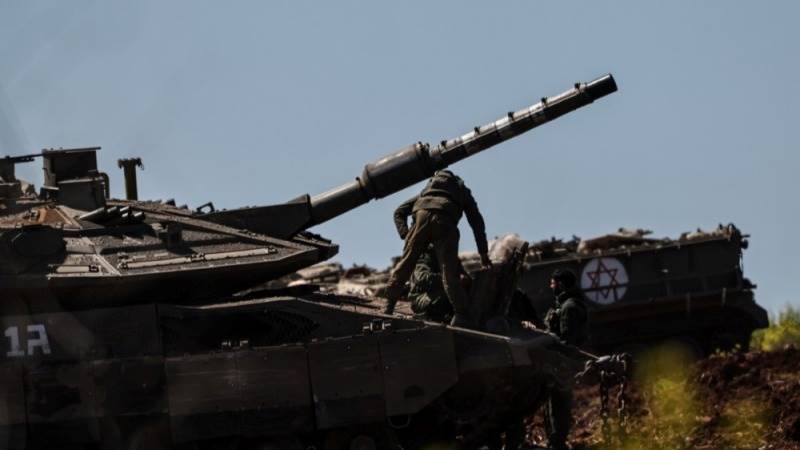
The reported stall in U.S.-Iran discussions coincides with a significant expansion of military operations in southern Lebanon. Israeli forces have moved deeper into Lebanese territory, crossing a key geographical boundary, according to cross-verified reports. This military push represents a notable increase in the scale of ground engagements, extending Israel's presence further into Lebanon than in decades. Hezbollah's sustained barrages of projectiles against Israeli positions and communities in northern Israel have further heightened tensions across the border region. The increased frequency and volume of these attacks contributed to the volatile security situation, prompting strong reactions from Israeli leadership.
Conflicting Signals on Diplomacy
Iran's Islamic Republic stated it had suspended indirect talks between Washington and Tehran, linking the ongoing war to Israel's expanding invasion of Lebanon. The Islamic Republic insisted that any peace agreement between the U.S. And Iran must encompass Lebanon, a demand echoed by Iran, which has called for its peace deal with the US to include an end to the conflict in Lebanon. This condition shows Iran's position that the Lebanese front is intrinsically linked to broader regional stability and any potential diplomatic resolution. Earlier in the week, US President Donald Trump suggested an agreement with Iran was close, indicating a perceived proximity to a diplomatic breakthrough. Exchanges of messages between Iran and the US regarding a potential memorandum of understanding are currently ongoing, reflecting continued, albeit indirect, communication channels between the two nations despite the public statements of suspension.
A fragile ceasefire was established following Hezbollah's attack on Israel, which came in response to Israel's war on Iran, launched with the US on February 28. This brittle ceasefire, declared after Hezbollah's offensive, marked a temporary and tenuous pause in hostilities. The United States has hosted discussions between Lebanese government officials and Israel, aiming to resolve hostilities and de-escalate the conflict. These U.S.-brokered talks represent a diplomatic effort to find a pathway to peace amidst the escalating violence. Hezbollah, however, has rejected these negotiations and is not participating, a stance that complicates efforts to achieve a full and lasting peace agreement. The publication date of this information is June 1, 2026.
Israel Deepens Lebanon Incursion
Prime Minister Benjamin Netanyahu ordered additional strikes and directed the Israel Defense Forces (IDF) to expand its incursion into Lebanon, declaring that the ceasefire between Israel and Hezbollah had been "all but shattered." Netanyahu stated, "I have instructed the IDF to strike terrorist targets in Beirut." He further elaborated through a translator, "There will not be a situation in which Hezbollah attacks our cities and our citizens and its terrorist headquarters in Beirut, in Dahiyeh, remains out of bounds." The Prime Minister also confirmed, "I have instructed the IDF to expand the incursion in Lebanon. Our forces have crossed the Litani River and took dominant terrain." These directives from Prime Minister Netanyahu show a significant shift in Israel's military strategy, moving towards a more expansive and aggressive posture in Lebanon. The decision to target Beirut specifically marks an intensification of the conflict, extending military operations beyond the immediate border areas and into the Lebanese capital.
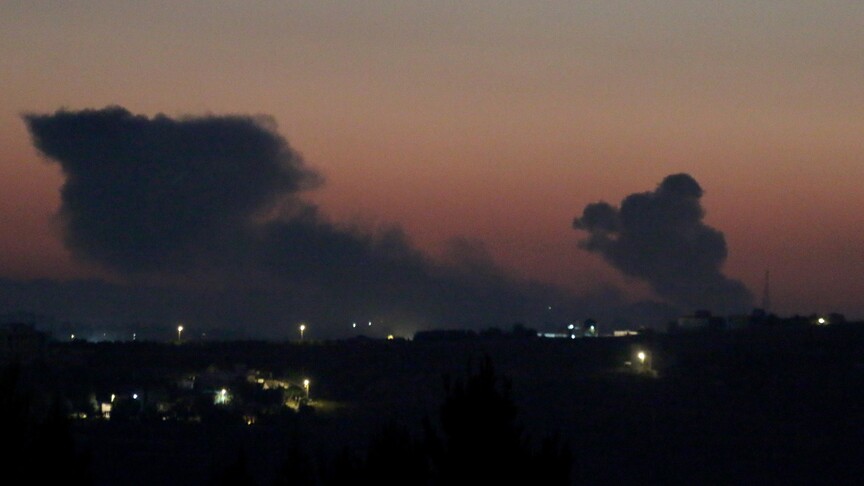
Over the weekend, footage released by the IDF depicted infantry forces seizing Beaufort Castle. The Israeli defense minister indicated that the IDF had planted an Israeli flag on the historic Beaufort castle, located near Nabatieh, with smoke rising behind it following an Israeli airstrike on May 31, 2026. This visual evidence, released by the IDF, served to confirm the military's operational successes and territorial gains in southern Lebanon. Prime Minister Netanyahu commented on this development, stating, "Now my instruction is to deepen and expand our hold on places that were under Hezbollah’s control. The capture of Beaufort is a dramatic change in the policy we are leading." Reports indicated that Israeli forces are currently positioned near Nabatieh, an area described as a Hezbollah stronghold, further solidifying Israel's presence in strategically important regions. The footage released by the IDF was 5 minutes and 4 seconds long, providing detailed visual documentation of the military operation.
Israeli airstrikes, launched in response to Hezbollah attacks in March, have reportedly devastated large areas of southern Lebanon and the capital, Beirut. These extensive airstrikes have caused significant damage to infrastructure and residential areas across affected regions. According to the Lebanese health ministry, at least 3,370 people have been killed in Lebanon, noting the severe human cost of the ongoing conflict. The IDF has ordered thousands of residents from dozens of towns and villages in south Lebanon to evacuate their homes, leading to a humanitarian crisis and mass displacement. More than 20 Israeli soldiers have been killed, and four Israeli civilians have also died in the conflict, according to reports, indicating the casualties sustained by Israel in these prolonged engagements.
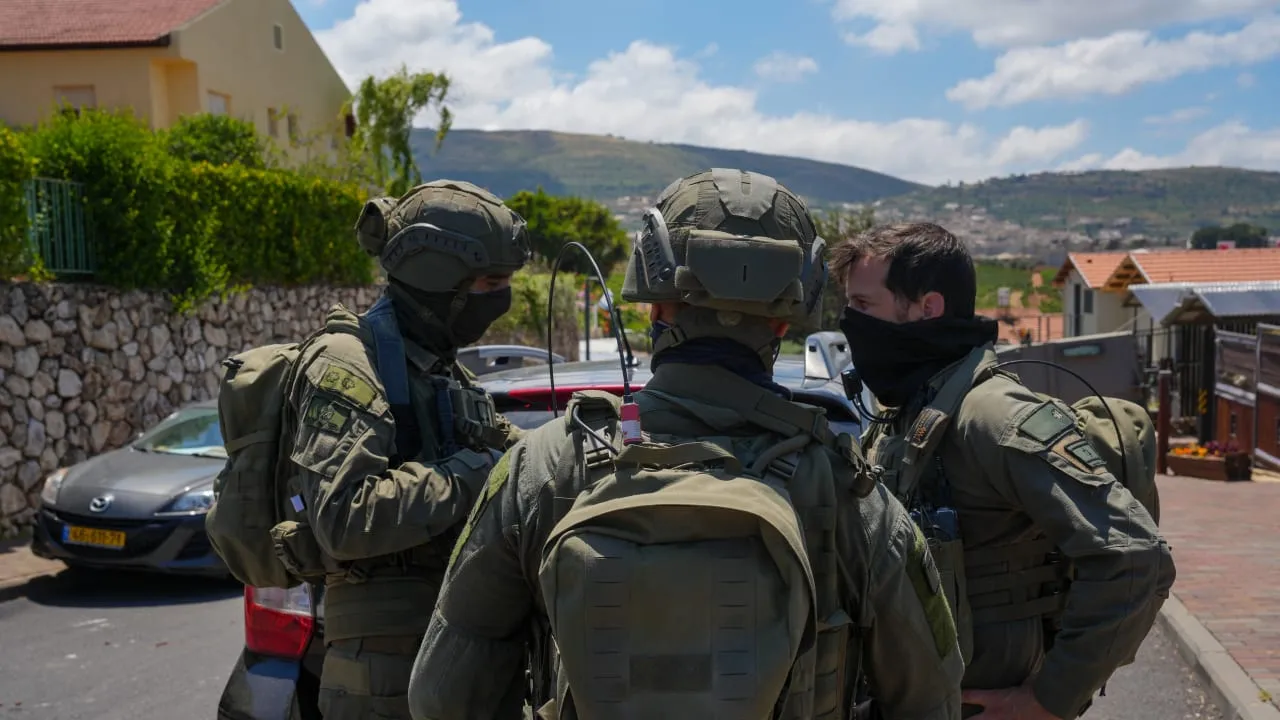
In Israel, schools in a zone 20 kilometers south of the border have been instructed to shut down, and restrictions have been imposed on public gatherings in communities close to the border with Lebanon. These measures reflect the heightened security concerns and the impact of the conflict on civilian life within Israel. Israel's stated objective is reportedly to secure a guarantee that Hezbollah is completely uprooted from Lebanon’s south, a strategic goal that drives its current military operations and diplomatic demands. This objective aims to create a buffer zone and eliminate perceived threats emanating from Hezbollah's presence near the Israeli border.
Regional Tensions and International Response
Iranian state media released a video depicting a ballistic missile launch, which was stamped with a caricature of President Trump, purportedly targeting a U.S. Military base in Kuwait. This provocative video, distributed by Iranian state media, served as a strong message and a demonstration of perceived military capabilities. In Kuwait City, air raid sirens warned of incoming Iranian drones and missiles, which U.S. Central Command stated were intercepted. The activation of air raid sirens and the subsequent interception of projectiles show the direct threats posed by the regional escalation. The U.S. Reported that Iran downed an American drone, prompting CENTCOM to respond by targeting air defenses and a ground control facility along the coast. This exchange of military actions between the U.S. And Iran signifies a dangerous expansion of the conflict beyond the immediate Israel-Lebanon front. Iranian state media, through a voice identified as 'MAN,' issued a warning to residents of Northern Israel and military settlements in occupied territories to evacuate if they wished to avoid harm, citing the regime's repeated violations of the ceasefire. This direct warning from Iranian state media adds another layer of psychological warfare and pressure on Israeli civilians.
President Trump claimed, after speaking with Prime Minister Netanyahu, that "Hezbollah agreed that all shooting will stop, that Israel will not attack them and they will not attack Israel." This statement from President Trump, following his discussion with Prime Minister Netanyahu, suggests a potential, albeit unconfirmed, understanding regarding a cessation of hostilities. Lebanon and Israel are scheduled to meet tomorrow in D.C. For U.S.-brokered peace talks, signaling ongoing diplomatic efforts to address the crisis. French President Emmanuel Macron condemned the advance, stating, "Nothing justifies the major escalation currently underway in southern Lebanon," and called for a ceasefire. This international condemnation from a key European leader notes the widespread concern over the escalating violence. Lebanon is demanding a complete truce, seeking an immediate and unconditional end to all military operations.
In a move that has disrupted energy supplies, Iran closed the Strait of Hormuz since the war began, impacting global oil markets and adding economic pressure to the geopolitical tensions. Simultaneously, Israel has started scaling up its operations in Gaza, indicating a multi-front military strategy. The multi-front conflict, which began with Hamas' attack on Israel in October 2023, is described as the longest and most expensive in the Jewish State’s history. This protracted conflict has placed immense strain on Israel's resources and national budget. This conflict carries a price tag of 405 billion shekels ($144.5 billion) through the end of 2026, demonstrating the profound economic consequences of the prolonged hostilities.