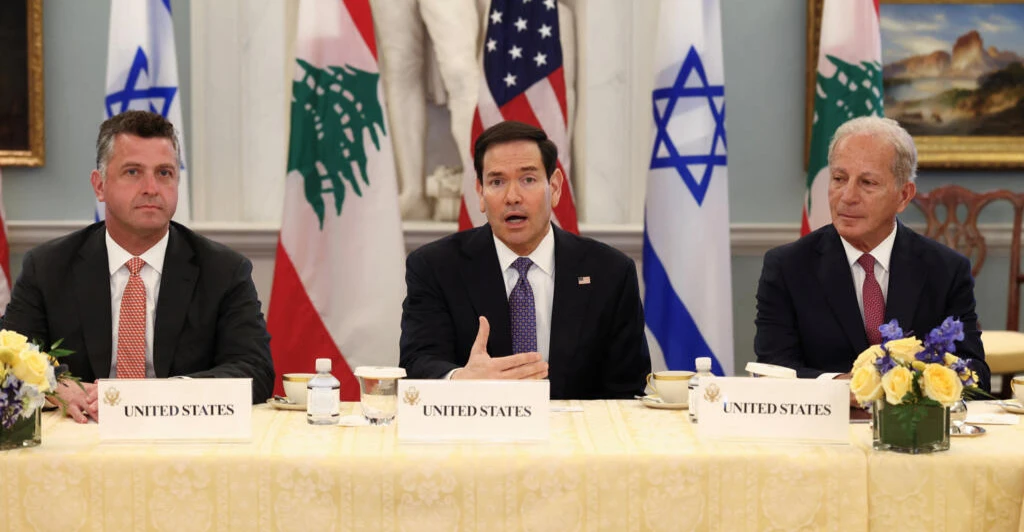
The United States will facilitate two days of intensive talks between Israel and Lebanon on May 14 and 15, the State Department announced Friday. These high-level discussions are a significant diplomatic push aimed at addressing pressing issues of border security and the widespread influence of Hezbollah in the region. Washington has made it clear that any enduring peace between Israel and Lebanon is contingent upon the Lebanese state fully asserting its sovereign authority and achieving the complete disarmament of Hezbollah. The upcoming talks are specifically designed to cover critical aspects of the long-contested border between the two nations, seeking to establish a more stable and secure environment.
Background to Negotiations
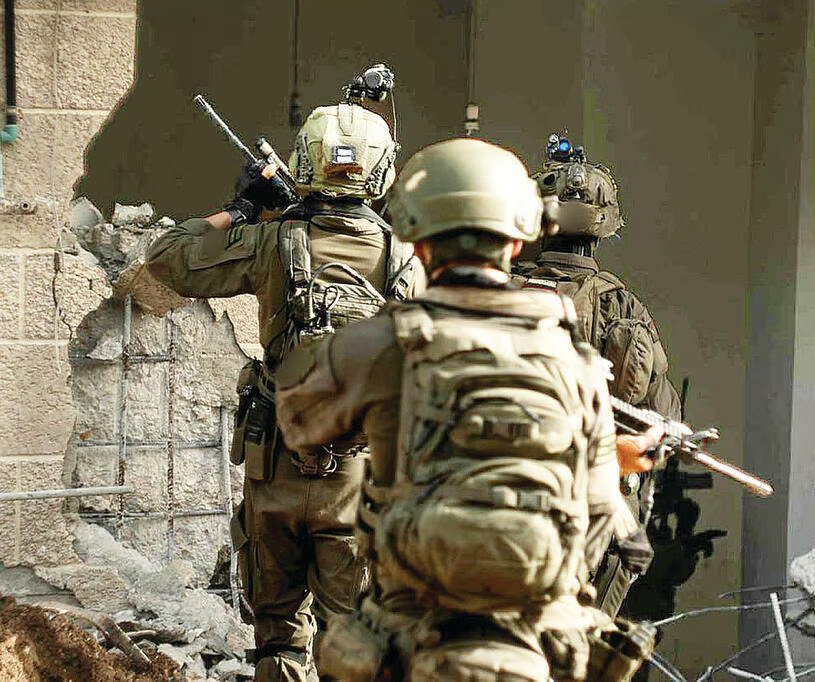
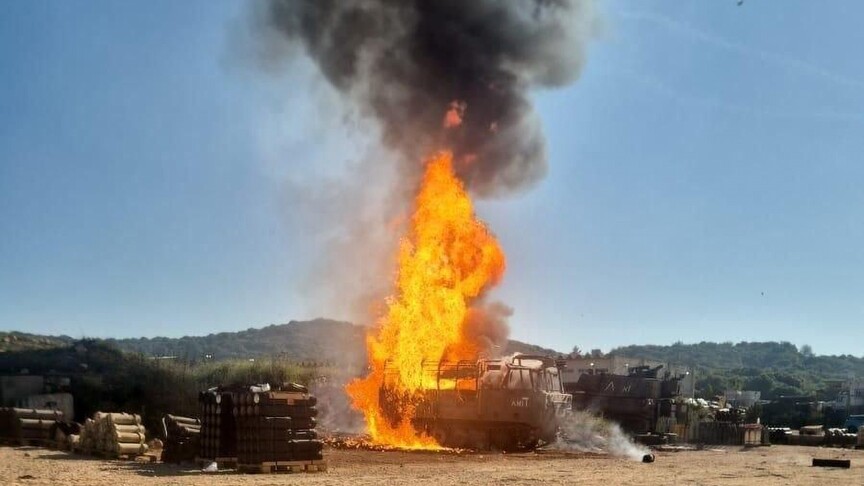
The forthcoming discussions are not the first engagement between the two nations under US auspices. Israel and Lebanon previously held two rounds of talks in Washington on April 14 and April 23, setting a precedent for these direct engagements. These earlier talks occurred amid a fragile ceasefire, which has been in place between the two nations since April 17. This ceasefire, though tenuous, has provided a window for diplomatic efforts. Despite the existence of this ceasefire, Israeli forces continue to conduct operations in southern Lebanon. These operations are described by Israel as targeting Hezbollah infrastructure and fighters within the region, noting the ongoing security challenges even as diplomatic efforts intensify. The persistent military activity shows the urgency of finding a more permanent resolution to the border tensions and the role of non-state actors.
Lebanon's Dire Situation
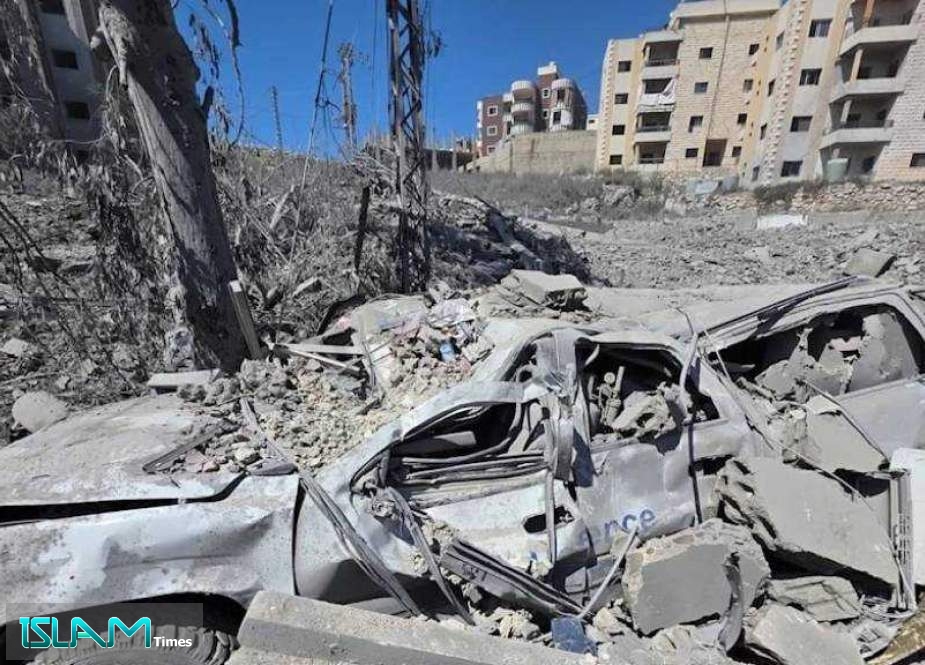
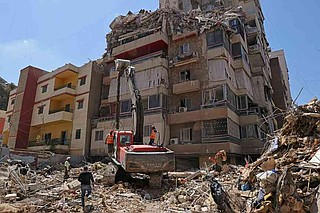
The humanitarian crisis in Lebanon continues to deepen amidst the ongoing conflict. Lebanon’s Health Ministry announced Friday that 32 people were killed and 74 wounded across the country over the past 24 hours, painting a grim picture of daily life. The ministry also reported a cumulative death toll of 2,759 in Lebanon since March 2, with an additional 8,512 individuals injured during the same period. These figures illustrate the profound human cost of the hostilities. Amid the ongoing violence, Lebanese President Joseph Aoun called on Britain and Canada to exert pressure on Israel. President Aoun urged the two countries to ensure Israel abides by the ceasefire agreement and ceases the destruction in southern Lebanese towns and villages. The Lebanese government continues to grapple with the immense humanitarian impact of the conflict, including displacement and destruction of infrastructure, as international diplomatic efforts intensify to bring stability.
US Diplomatic Push
The upcoming discussions aim to establish permanent security and peace arrangements between Israel and Lebanon. A central objective of these talks, as stressed by Washington, is supporting the "full restoration" of Lebanese sovereignty, a critical step towards long-term stability. Israeli sources informed the Israeli Public Broadcasting Corporation that the talks will specifically address mechanisms for dismantling Hezbollah and advancing border demarcation. These efforts are part of a broader US initiative to shape a full security arrangement that includes force separation between the two sides, aiming to create a demilitarized zone or buffer. The American delegation intends for these conversations to lay the groundwork for long-term stability in the region, moving beyond temporary ceasefires. The ultimate goal is to establish a more durable framework for coexistence and security. Both nations have expressed a desire for a resolution to the ongoing border disputes and security concerns, recognizing the potential for these talks to pave the way for a more peaceful future.