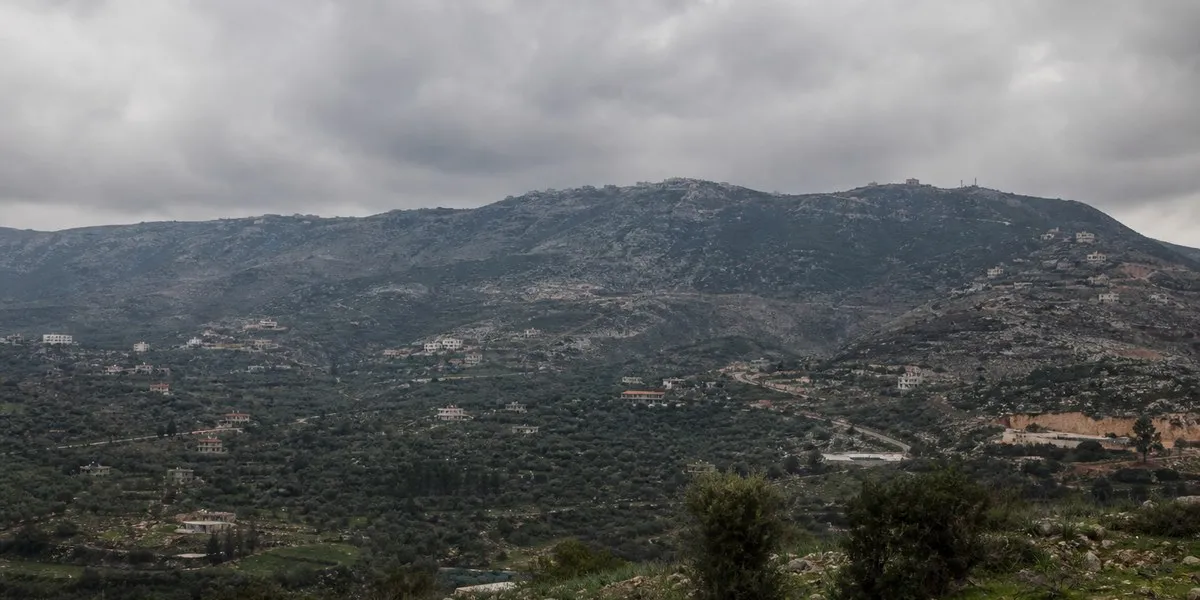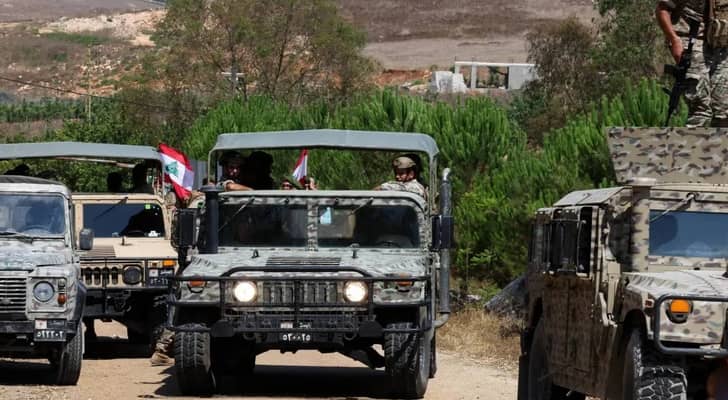
A delegation from the US Embassy in Beirut recently visited the town of Zawtar al-Gharbiyeh in southern Lebanon, marking a significant diplomatic engagement in the region. The visit shows the town's designation as one of three 'pilot zone' villages, established under a critical trilateral framework agreement. This strategic location, Zawtar al-Gharbiyeh, is situated within the Nabatieh district of southern Lebanon, an area frequently at the forefront of regional security discussions. The selection of Zawtar al-Gharbiyeh as a pilot zone reflects its importance in testing the viability and effectiveness of the broader security framework designed to foster stability in the border areas. The presence of the US Embassy delegation further emphasizes the international community's focus on the implementation and success of these designated zones.
Zone's Current Status and Security Arrangements
The Lebanese Armed Forces (LAF) currently maintain a vigilant presence, guarding the town of Zawtar al-Gharbiyeh and upholding security within what has been officially designated as a 'safe zone' under the trilateral agreement. This security provision by the LAF is a cornerstone of the framework's objective to ensure peace and order for the local population. While the LAF secures the town, 'Israeli’ troops completed their withdrawal from the immediate town center in late July, a move that was a key component of the initial de-escalation efforts. However, a complex security dynamic persists, as ‘Israeli’ forces and tanks remain positioned to the east of Zawtar al-Gharbiyeh. These forces are specifically located on its outskirts and within the neighboring village of Zawtar al-Sharqiyeh (East Zawtar), maintaining a close proximity to the pilot zone.
The two localities, Zawtar al-Gharbiyeh and Zawtar al-Sharqiyeh, share essential infrastructure, noting the intertwined nature of their communities. This includes a common school, which serves children from both villages, and a main road that smoothly connects them, facilitating daily movement and commerce. This shared infrastructure means that the continued presence and proximity of ‘Israeli’ forces on the outskirts of Zawtar al-Gharbiyeh and within Zawtar al-Sharqiyeh places them in close vicinity to civilian areas and the daily routines of residents. The arrangement creates a delicate balance, where the withdrawal from the town center is juxtaposed with continued military presence in adjacent areas, affecting the perception of security and normalcy for the inhabitants. For full disclosure, the audio accompanying the original article was generated using AI technology.
Background of the Agreement and Diplomatic Efforts
The framework agreement establishing these key 'pilot zones' was formally signed by ‘Israel’, Lebanon, and the United States on June 26, 2026. This trilateral accord represents a concerted diplomatic effort to manage and mitigate tensions along the border. The agreement laid the foundational groundwork for the designated areas, including Zawtar al-Gharbiyeh, to serve as initial testing grounds for its full implementation. The document meticulously outlines specific parameters for the security arrangements and the administration of these zones, with the overarching aim of de-escalating potential conflicts and facilitating long-term stability in the sensitive region. The US Embassy delegation's visit to Zawtar al-Gharbiyeh, therefore, shows the ongoing commitment of the United States to the terms outlined in the agreement and its role as a guarantor of the framework's progress. This diplomatic engagement is vital for monitoring the agreement's practical application and addressing any emerging challenges.
Regional Context and Ongoing Security Concerns
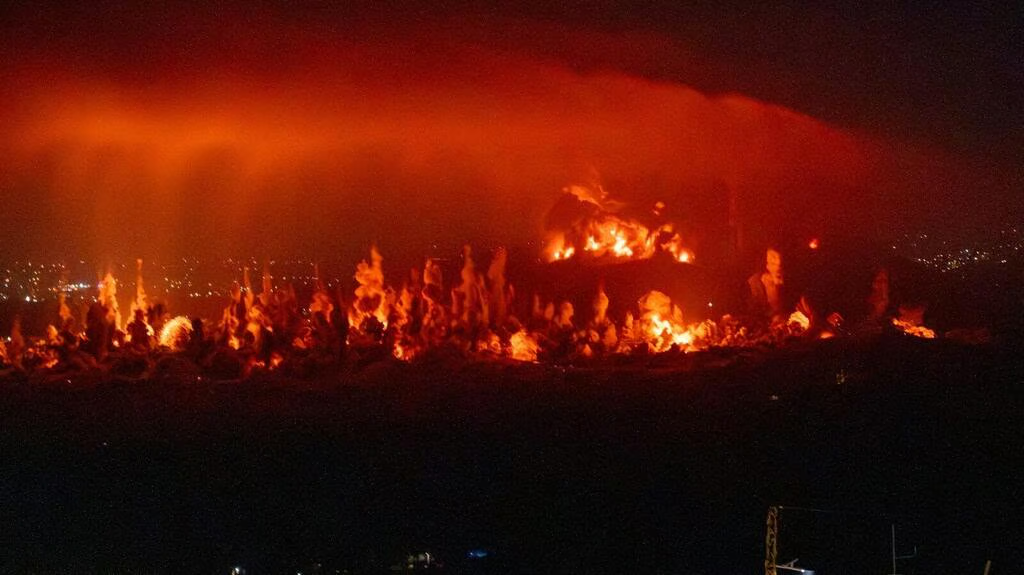
The visit by the US Embassy delegation to Zawtar al-Gharbiyeh occurred against a backdrop of continued regional volatility. Notably, ‘Israeli’ airstrikes were reported early Tuesday on south Lebanon, coinciding with the diplomatic visit. This activity unfolded amidst the framework agreement signed by ‘Israel’, Lebanon, and the United States, which aims to manage security and administration in the region through designated pilot zones. The presence of ‘Israeli’ forces and tanks near Zawtar al-Gharbiyeh and within Zawtar al-Sharqiyeh, particularly given their proximity to civilian infrastructure like schools and main roads, continues to be a significant point of tension and a focus for the agreement's implementation. Despite these challenges, the Lebanese Armed Forces maintain security within Zawtar al-Gharbiyeh, upholding its status as a 'safe zone' as defined by the trilateral agreement. The simultaneous occurrence of diplomatic visits and military actions notes the complex and often precarious security environment in southern Lebanon.