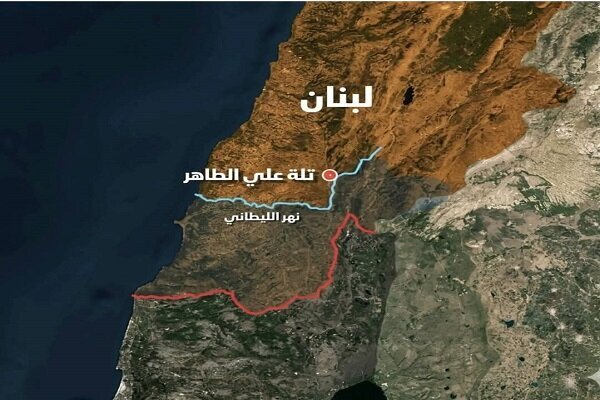
The destruction of Hezbollah’s tunnel network on the Ali Taher Ridge represents a significant operational achievement, according to Asher Ben Lulu. Mr. Ben Lulu stated, "The destruction of Hezbollah’s tunnel network on the Ali Taher Ridge was a major operational achievement, and it was made possible by the decision not to withdraw from southern Lebanon." This strategic decision to maintain a presence has allowed for the systematic dismantling of critical infrastructure, a departure from previous engagement patterns. For the safety and security of all civilians, residents should not be permitted to return to villages in territory seized by Israel until the military infrastructure has been thoroughly dismantled. This key step ensures that the areas are cleared of any remaining threats. Establishing lasting peace and security in the region also requires the Lebanese Armed Forces to enforce the disarmament of Hezbollah in southern Lebanon, a vital condition for any future stability. Without this enforcement, the cycle of conflict is likely to persist, undermining any operational gains.
The Ali Taher Operation
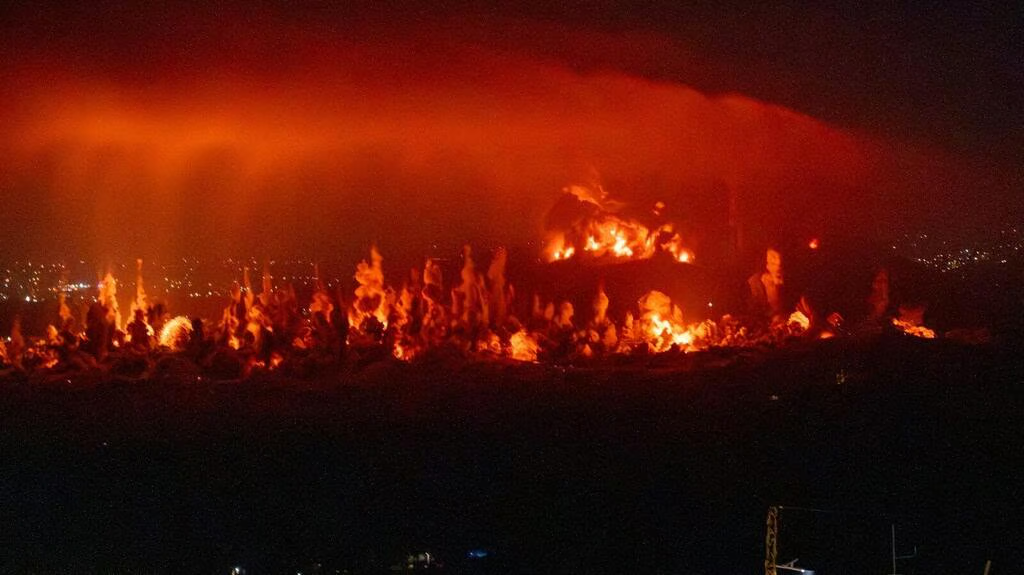
The operation on the Ali Taher Ridge involved the destruction of underground routes that collectively stretched for five kilometers. This extensive network represented a sophisticated and deeply entrenched threat. The complex engineering effort required to neutralize this infrastructure was substantial, utilizing 1,100 tons of explosives to dismantle the network effectively. The sheer scale of explosives notes the robustness and depth of the subterranean fortifications Hezbollah had constructed. The methodical nature of this operation shows a deliberate strategy to degrade the group's capabilities, rather than merely containing them. The successful execution of such an intricate demolition task demonstrates a significant commitment to eradicating Hezbollah's operational advantages.
Hezbollah's Enduring Threat
The Ali Taher tunnel system was reportedly constructed with financial backing and strategic direction from Iran. This foreign support shows the regional dimensions of the conflict and the sophisticated resources at Hezbollah's disposal. This particular network is part of a broader infrastructure developed by Hezbollah, indicating a long-term, calculated strategy. Over several decades, Hezbollah has established thousands of underground sites and facilities throughout southern Lebanon. These extensive subterranean installations range from command centers and weapons depots to personnel shelters and logistical pathways. This extensive subterranean presence shows the group's long-term strategic planning and operational capabilities in the region, designed to withstand conventional military assaults and provide a resilient base for their operations. The sheer number and complexity of these sites reveal the depth of Hezbollah's entrenchment and the significant challenge posed to regional security.
Lessons for Future Withdrawals
The IDF is currently holding territory within Lebanon, systematically dismantling infrastructure, a strategic shift from previous conflicts. This methodical approach directly challenges Hezbollah's core doctrine, which operates on the premise that Israel is capable of waging an intense war but not a prolonged one. By engaging in an extended, deliberate campaign of infrastructure degradation, the IDF is directly undermining this long-held assumption within Hezbollah's strategic planning. This operational approach by the IDF indicates a potential change in military engagement patterns within the region, moving beyond short-term retaliatory strikes to sustained efforts aimed at fundamentally altering the operational landscape. The methodical dismantling efforts suggest a deliberate strategy to degrade Hezbollah's capabilities over an extended period, aiming to diminish their capacity for future aggression and secure the border regions more effectively. This sustained pressure aims to deny Hezbollah the ability to quickly re-establish its military presence and threaten Israeli communities.