Lebanon has formally urged the United Nations to reconsider its plans to end the UNIFIL peacekeeping mission in the country. The appeal comes amidst escalating regional tensions, with Beirut advocating for the continued presence of the UN force. Lebanon's UN ambassador conveyed this request in a letter sent to the UN Security Council on August 26. The communication from the Lebanese envoy signals the nation's concern over the potential implications of a UNIFIL withdrawal for stability in southern Lebanon and the broader Middle East. This diplomatic push notes Lebanon's strategic view that the mission remains key for regional security at a particularly volatile juncture.
Shifting Regional Realities
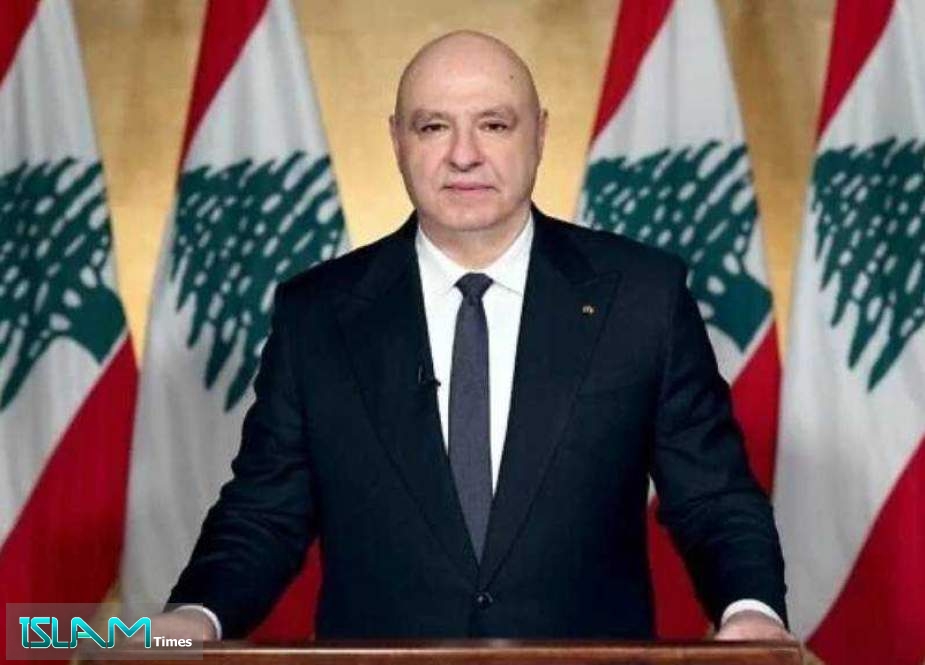
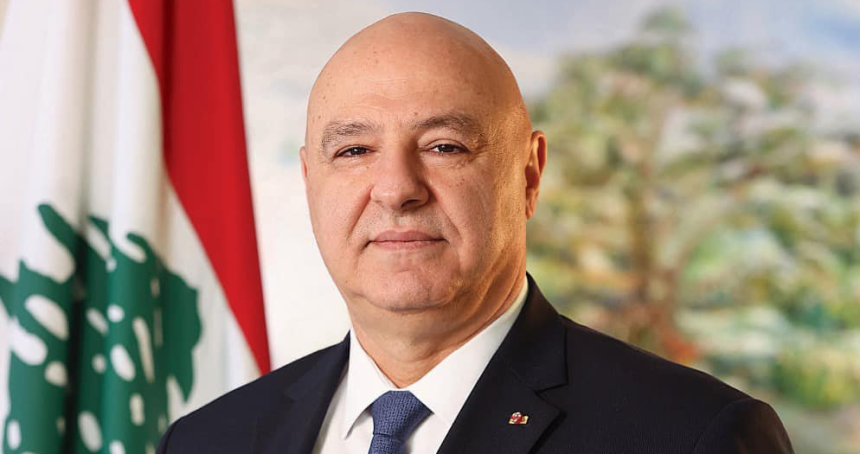
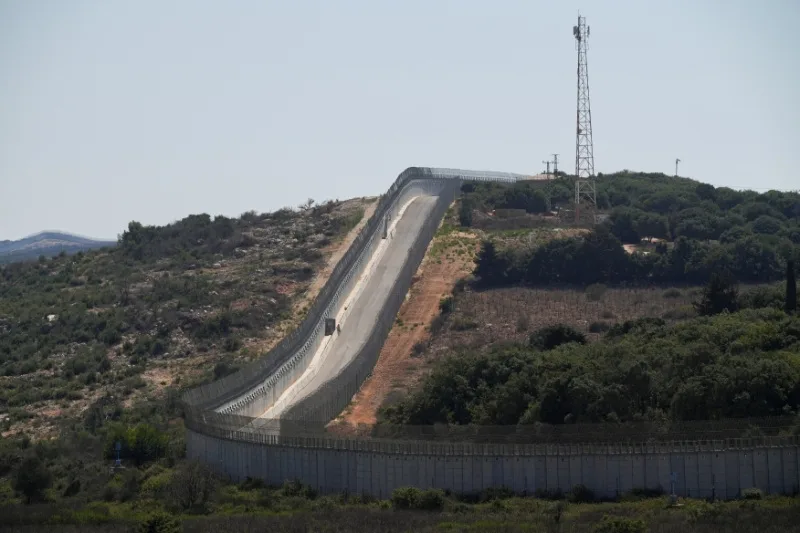
Lebanon's UN ambassador, Ahmad Arafa, stated that terminating the United Nations Interim Force in Lebanon (UNIFIL) mission appeared "premature" due to evolving regional conditions. Arafa noted that the security context in Lebanon, across the Blue Line, and throughout the broader Middle East has drastically shifted since March 2. This altered landscape includes the current occupation by Israeli forces of a strip of southern Lebanon extending approximately 10 kilometers from the border. The ambassador emphasized that these significant changes necessitate a re-evaluation of previous plans regarding the peacekeeping force.
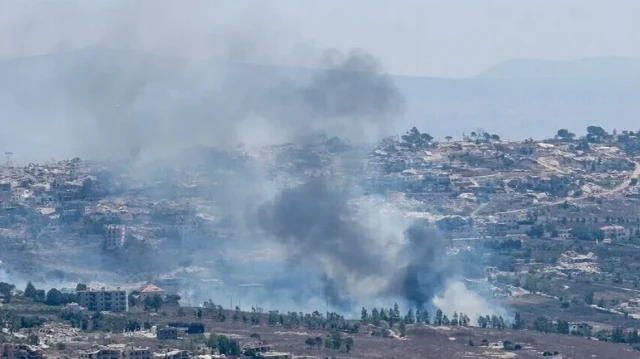
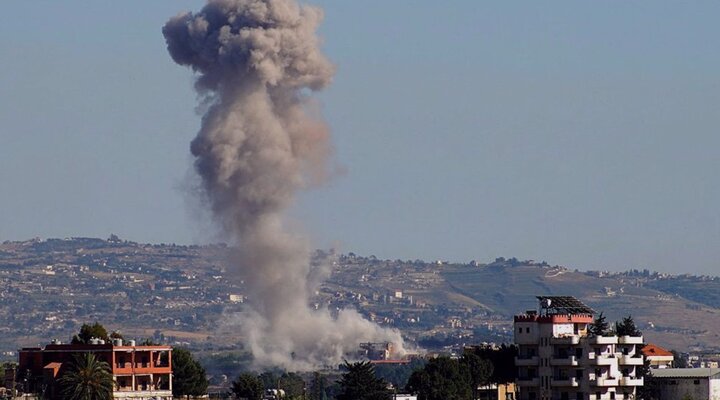
The resumption of hostilities between Hezbollah and Israel on March 2 marked a critical turning point, fundamentally altering the security calculus in the region. This renewed conflict has intensified the precarious situation along the Lebanese-Israeli border, making the role of international peacekeepers even more vital in Beirut's assessment. The ongoing military actions and their humanitarian consequences show Lebanon's concerns about any reduction in the international presence.
Despite these developments, Lebanon affirmed its commitment to the full implementation of Security Council Resolution 1701. The resolution, adopted in 2006, calls for a full cessation of hostilities, respect for the Blue Line, and disarmament of all armed groups in Lebanon. Beirut also reiterated its dedication to a trilateral framework involving Lebanon, Israel, and the United States, which was signed on June 26. This framework aims to address various outstanding issues between Lebanon and Israel, particularly concerning border demarcation and security arrangements. Lebanon's continued commitment to these international agreements and frameworks demonstrates its diplomatic efforts to manage the complex security environment.
Lebanon's Diplomatic Push
Lebanon warned that a withdrawal of the United Nations Interim Force in Lebanon (UNIFIL) could create a security vacuum. This concern was part of Lebanon's broader diplomatic push to retain the peacekeeping mission. The UN's planning for the period after UNIFIL's potential departure was based on consultations conducted prior to significant developments in March and before the June 26 framework agreement was signed. These earlier consultations did not account for the updated regional security landscape, which has seen a substantial increase in military activity and territorial changes.
The Lebanese government argues that the current plans for UNIFIL's future are therefore outdated and do not reflect the realities on the ground. They contend that any decision to reduce or withdraw the force without fully acknowledging the recent shifts could lead to unintended consequences, potentially exacerbating instability. The letter from Ambassador Arafa to the UN Security Council detailed these concerns, urging the international body to take into account the new security dynamics that have emerged since early March.
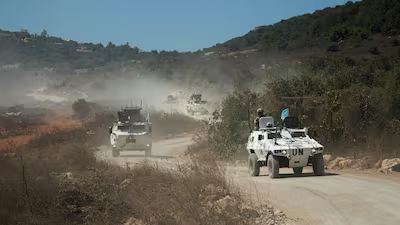
Lebanon reiterated its commitment to the November 2024 cessation-of-hostilities agreement, emphasizing its dedication to de-escalation mechanisms. The UNIFIL mission is described as "more than 7,000-strong," noting its substantial presence in southern Lebanon. This considerable force currently plays a critical role in maintaining stability along the Blue Line between Lebanon and Israel, a region marked by persistent tensions. Beirut's appeal to the UN Security Council shows its view that the mission's continued presence is essential to prevent further instability. The Lebanese government believes that any decision regarding UNIFIL's future must consider the evolving dynamics on the ground, particularly the recent escalations and diplomatic efforts. The large contingent of peacekeepers provides a key buffer and monitoring capacity that Lebanon deems indispensable for preventing further conflict.
Israel's Counterposition
The United Nations Security Council voted in August 2025 to conclude the UNIFIL mission, setting its end date for December 31, 2026. This decision came prior to a significant resumption of hostilities between Hezbollah and Israel on March 2. Since that date, Israeli strikes in Lebanon have resulted in the deaths of more than 4,300 people. This grim statistic further illustrates the severity of the conflict that has unfolded since the Security Council's decision to end the mission was made.
The continued violence and the significant loss of life in Lebanon directly impact the security situation that UNIFIL is tasked with monitoring and de-escalating. The Lebanese government views these developments as compelling reasons to maintain the international force, arguing that the conditions under which the withdrawal decision was made no longer hold true. The scale of civilian casualties and the ongoing military operations underline the volatile nature of the border region, reinforcing Lebanon's call for continued international peacekeeping presence.
Historical Context and Future Outlook
Ahmad Arafa called an extension of the United Nations Interim Force in Lebanon (UNIFIL) the "most practical option" for stability in the region. This stance contrasts with Israel's position, which opposes maintaining a large international force in southern Lebanon. Israel argues the Lebanese army should instead assume responsibility for securing the border. This divergence in views presents a significant challenge for the UN Security Council as it weighs Lebanon's appeal against its previous decision and Israel's long-standing position.
UNIFIL has operated in southern Lebanon since 1978, originally established to confirm Israeli withdrawal and restore international peace and security. Its mandate has evolved over the decades, particularly after the 2006 conflict, to include monitoring the cessation of hostilities and supporting the Lebanese Armed Forces. The ongoing presence of the force shows the complex and protracted nature of the security challenges along the Blue Line. Lebanon's plea for reconsideration reflects its assessment that the current security environment is too fragile to proceed with a withdrawal, emphasizing the need for continued international oversight and stabilization efforts. The decision by the UN Security Council will have profound implications for the future of peace and security in a critically important region.