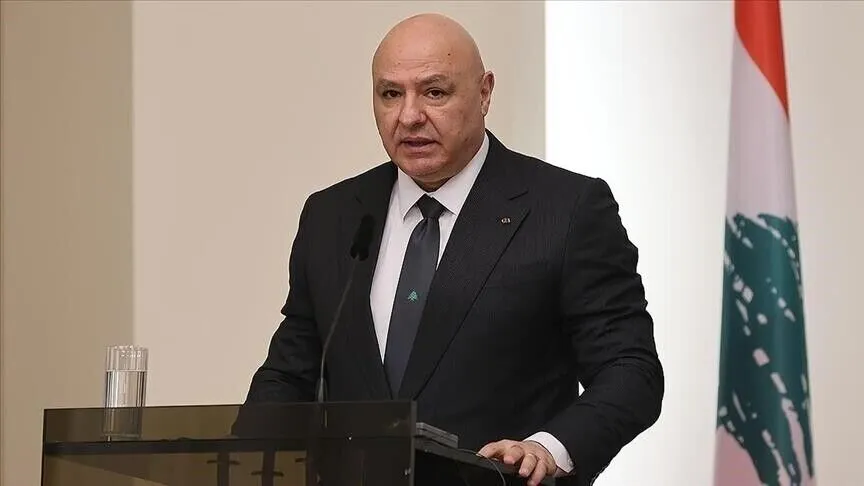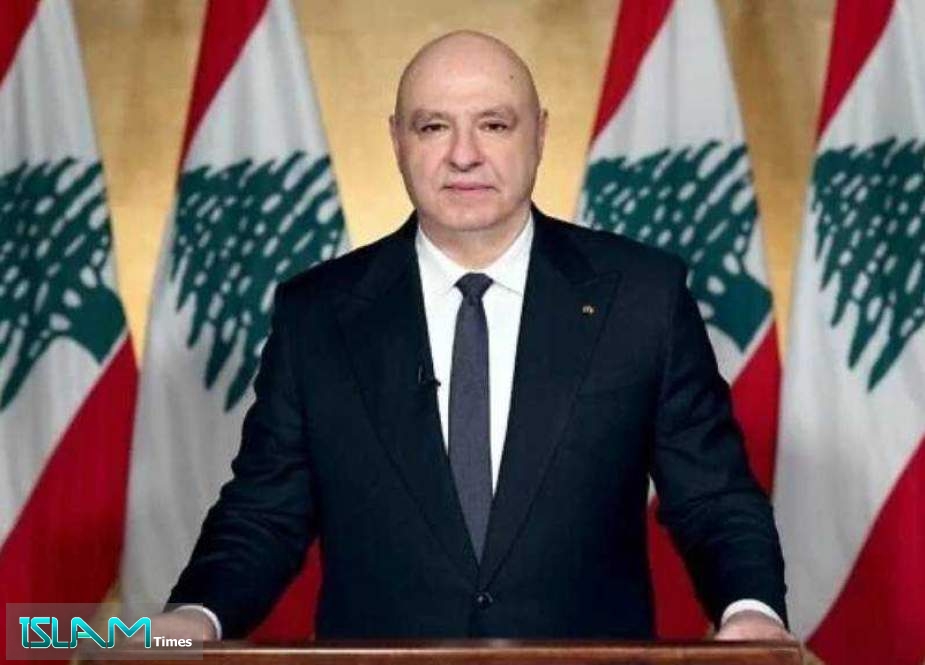
Lebanese President Joseph Aoun confirmed Saturday that no new direct talks are currently underway with “Israel,” emphasizing that national priorities remain steadfast: the complete withdrawal of "Israeli" occupation forces, the safe return of all detainees and displaced people, and the key work of reconstruction in affected areas. President Aoun made these definitive remarks during an unannounced visit to Nabatieh in southern Lebanon, where he was accompanied by several security chiefs and the army commander. He explicitly stated that the primary purpose of his visit was to reassure residents of the southern region that the state stands firmly behind them and is actively engaged in providing essential services and support amidst the ongoing tensions. The President's statement showed the Lebanese government's consistent stance on the conditions for any potential engagement.
Escalating Border Violence
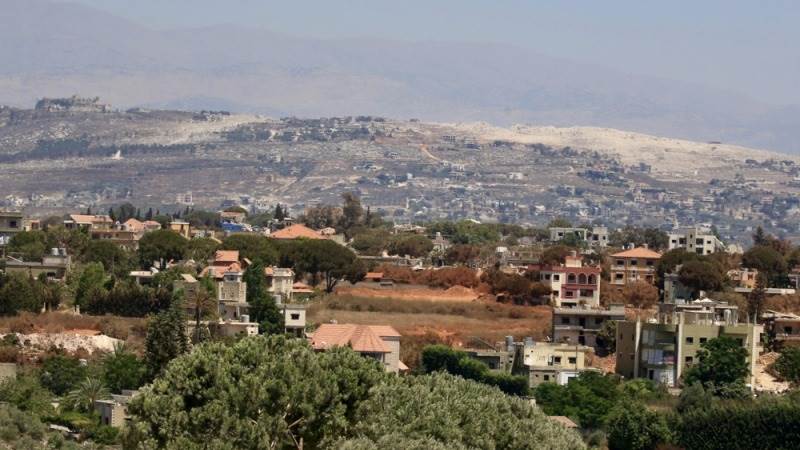
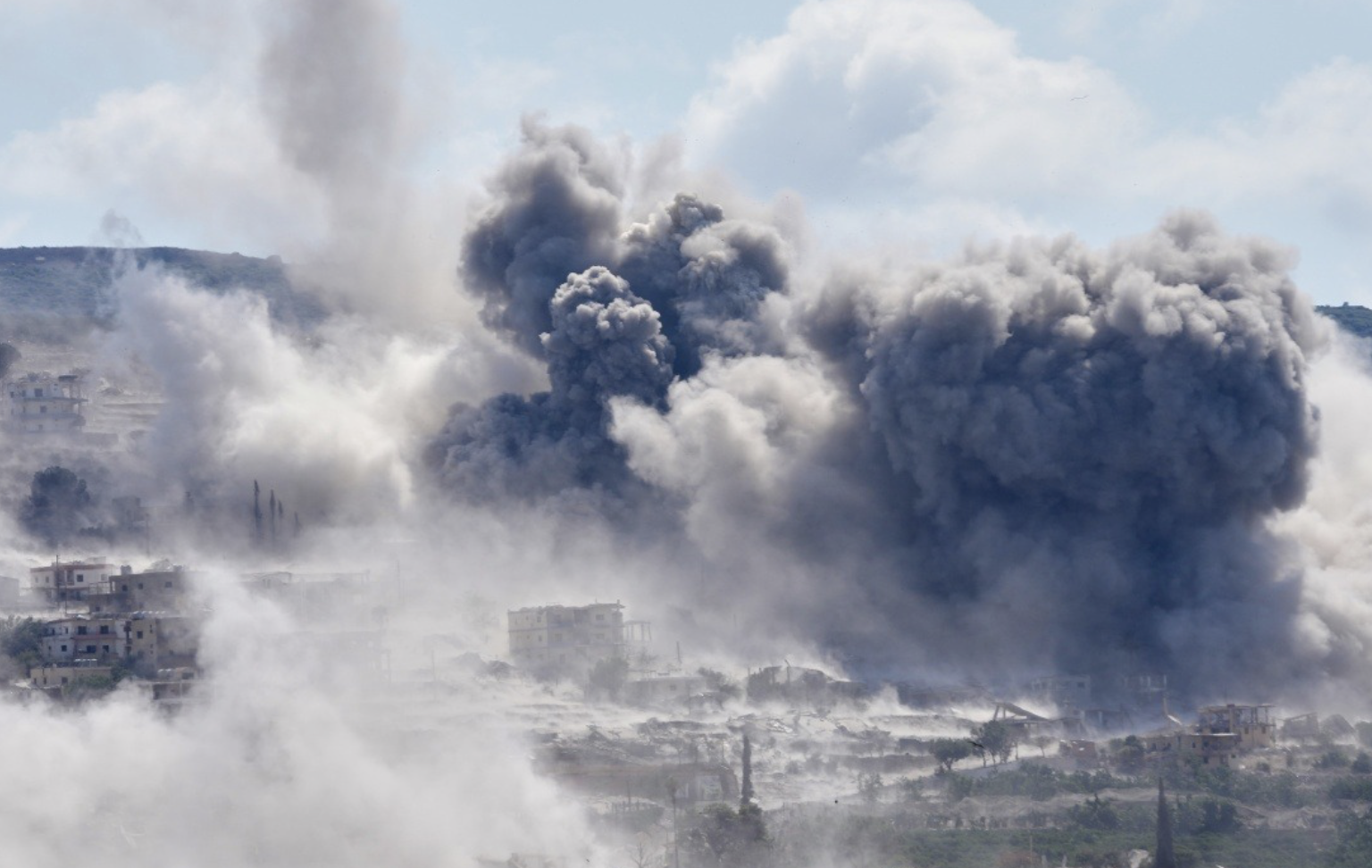
The situation along the southern border has seen a significant escalation in recent days. On Thursday, the Israeli Occupation Forces (IOF) conducted a series of powerful explosions in the Lebanese towns of Mays al-Jabal and Bani Hayyan, causing widespread damage and alarm among the local population. Further south, in al-Mansouri, the IOF also detonated civilian homes and critical infrastructure, all while simultaneously maintaining a barrage of artillery fire. More than 10 powerful explosions were specifically reported in al-Mansouri since midnight on Thursday, creating tremors that were distinctly felt as far away as Tyre and in numerous nearby villages, noting the intensity of the operations.
Adding to the volatile situation, Israeli warplanes carried out three distinct airstrikes on Nabatieh al-Fawqa. Concurrently, artillery repeatedly shelled the town of Nabatieh al-Fawqa, causing further destruction and contributing significantly to the escalating cycle of violence in the region. These aggressive actions are part of ongoing military operations conducted by the IOF along the southern Lebanese border, which have intensified over recent weeks.
Israeli Demolition Tactics Detailed
The Israeli Occupation Forces (IOF) have reportedly adopted specific and technologically advanced methods for demolishing homes without requiring direct ground entry by their personnel. These tactics primarily involve the sophisticated use of drones to deploy barrels filled with explosives onto the rooftops of targeted structures. After these explosive devices are precisely positioned, they are then detonated remotely, according to detailed reports from the ground. This innovative and remote approach allows the IOF to destroy structures in targeted areas from a safe distance, thereby minimizing the need for direct engagement on the ground and reducing risk to their forces. The increasing use of drones for such destructive operations has become a notable and concerning feature of their strategy in the ongoing conflict, raising questions about civilian safety and property rights.
Context of Ongoing Conflict
The "Israeli" occupation continues its aggression across southern Lebanon despite the existence of a US-sponsored framework agreement. That agreement, signed by Lebanon and "Israel" in Washington on June 26, 2026, aimed specifically to end the long-standing state of war between the two parties and establish a path towards stability. However, the recent actions indicate a clear deviation from the spirit of that accord.
Presidential Reassurance Efforts
As President Aoun affirmed, the withdrawal of Israeli Occupation Forces, the safe return of detainees and displaced people, and full reconstruction efforts remain critical national priorities for Lebanon. These objectives form the cornerstone of the government's policy in addressing the conflict. Separately, in another significant development, a major blast was reported east of Al-Khiam, indicating continued military activity in that sector. An airstrike also targeted the area situated between Zibqin and Shihin, located southeast of Tyre, further illustrating the broad scope of the operations. Additionally, artillery fire struck the outskirts of Zawtar al-Sharqiyah, extending towards Mayfadoun, demonstrating the persistent and widespread nature of the shelling across southern Lebanese territories.