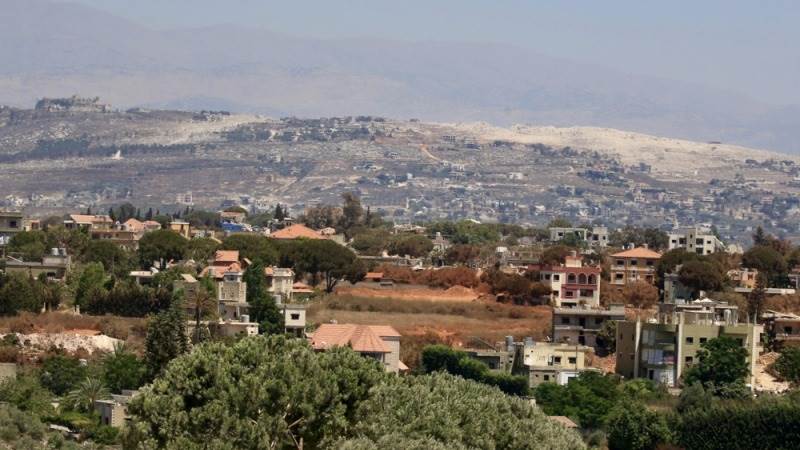
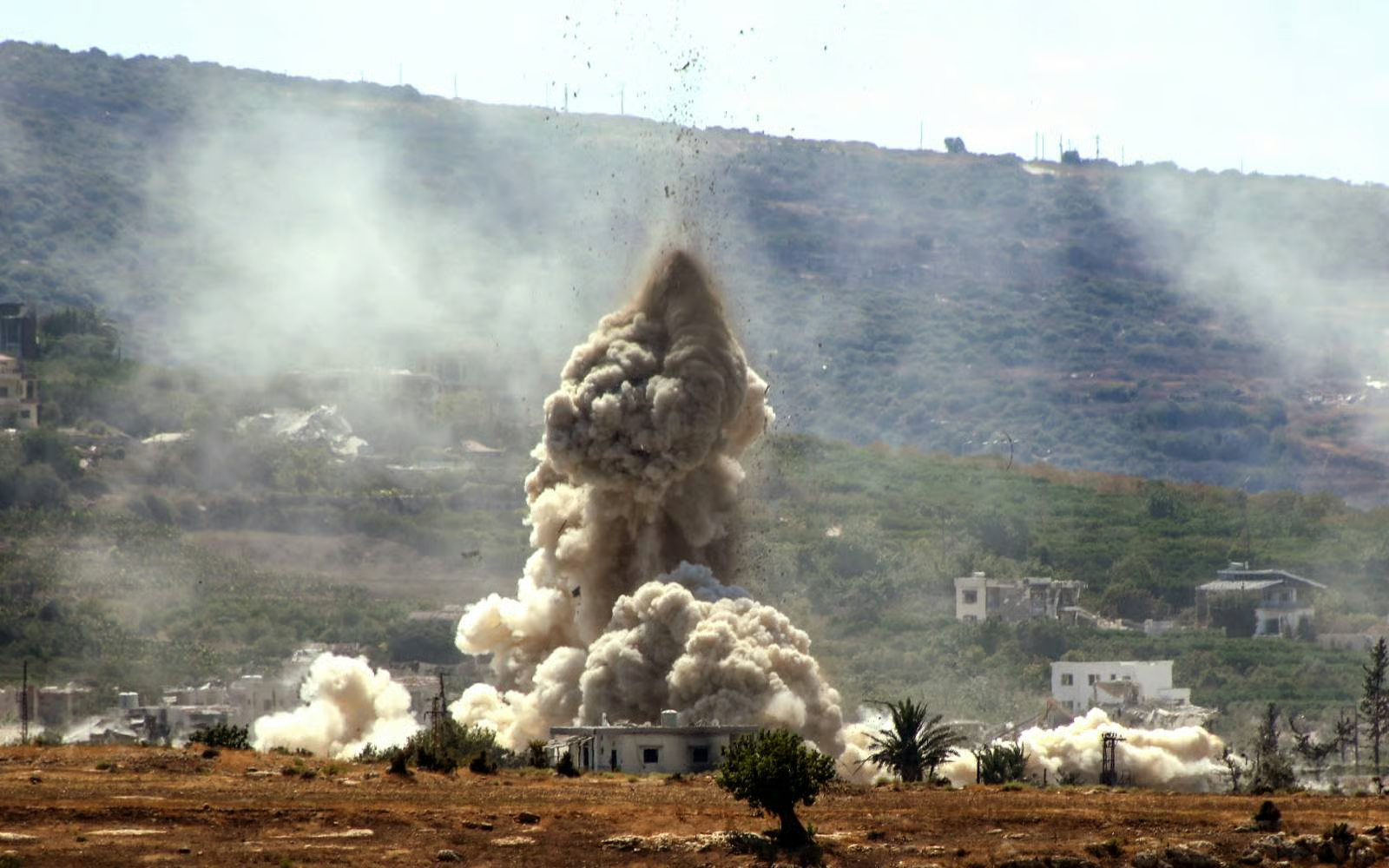
Lebanon reported a strike on Wednesday in the southern part of the country, occurring in the area between the villages of Hadatha and Haris. The incident is the latest reported in the south of the country, adding to a series of military engagements that have characterized the border region in recent times. The frequency of such reports notes the ongoing security challenges faced by communities residing close to the frontier.
Specific Strike Locations
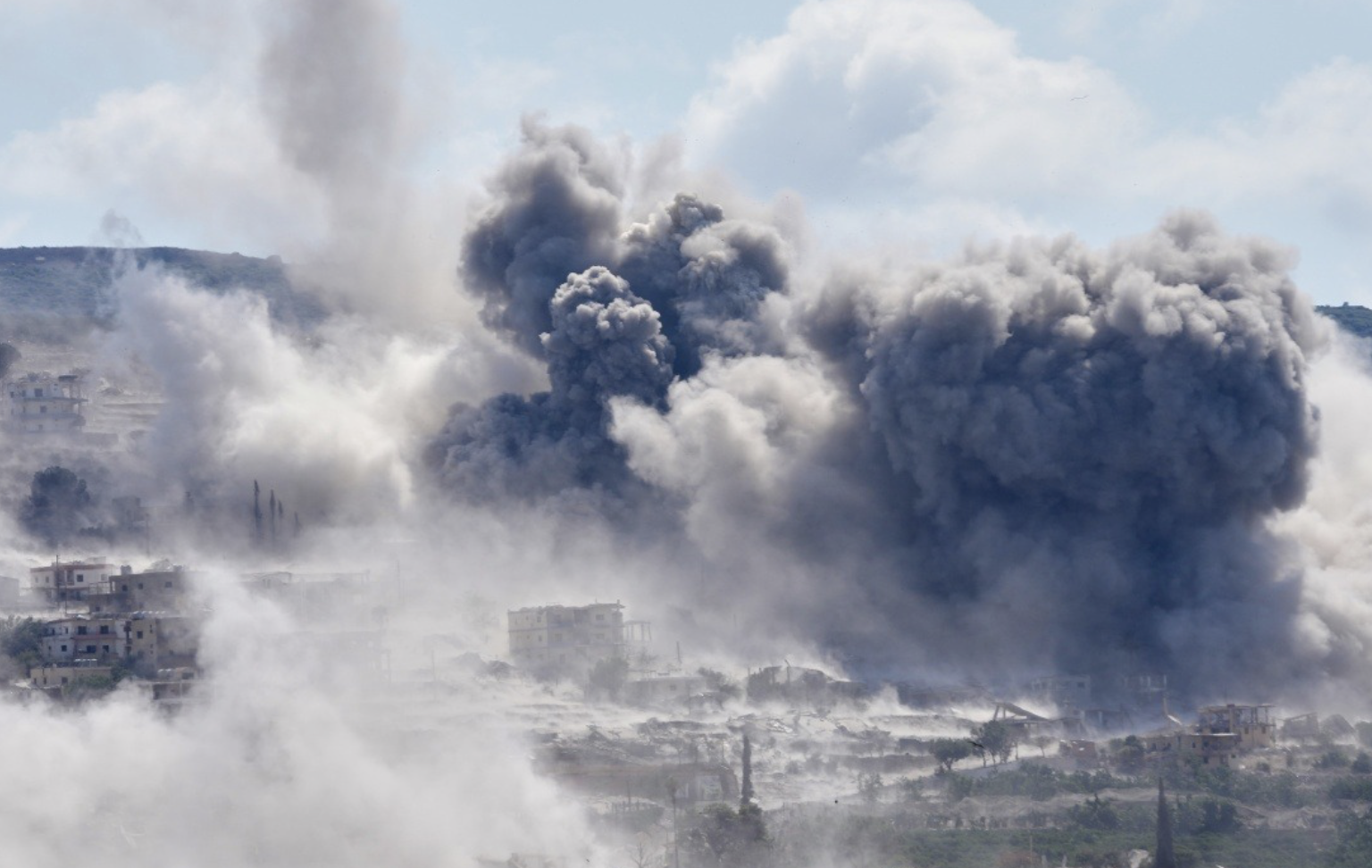
Additional strikes were reported at several locations in the south of the country. These included areas in Kfarkila, Khiam, Houla, and Hamoul. Sources in Lebanon indicated that the strikes targeted infrastructure and open areas. The nature of the infrastructure targeted was not immediately specified, but such incidents often affect vital services and local facilities. Targeting open areas can still cause significant disruption, particularly in agricultural regions where land is key for livelihoods. The incidents occurred throughout the day, with reports detailing impacts in various rural and agricultural zones. These zones are often home to small communities and are essential for the local economy, making any strike a cause for concern for residents. Residents in several southern villages reported hearing explosions and seeing smoke plumes following the incidents, causing alarm and prompting immediate safety measures. The sound and visual evidence of these strikes contribute to a climate of apprehension among the local population. No immediate casualty figures were released in connection with these specific strikes, though authorities are actively assessing the situation. Local authorities have been assessing the damage in the affected regions, a process that can be prolonged given the dispersed nature of the impacts. The series of events marks a continuation of military activities observed in the border areas of southern Lebanon, indicating a persistent pattern of engagements. Further details regarding the extent of the damage are expected as assessments continue, which will provide a clearer picture of the incidents' impact. The Lebanese military has not yet issued a full statement on all the reported locations, suggesting an ongoing information-gathering process.
Regional Security Context
The ongoing military activities in southern Lebanon occur within a broader regional security landscape marked by persistent tensions. The border region has frequently been a flashpoint, experiencing intermittent exchanges and military actions that contribute to instability. These events often involve various actors operating across the frontier, impacting civilian populations and infrastructure, leading to a precarious environment for those living in the area. Reports from Lebanon frequently detail such incidents, reflecting the volatile nature of the area and the constant threat of escalation. The strikes observed in areas such as Hadatha, Haris, Kfarkila, Khiam, Houla, and Hamoul are consistent with a pattern of engagements that have characterized the security situation along the border for an extended period. This pattern shows the entrenched nature of the conflict dynamics in the region. Local authorities and international observers continue to monitor developments closely, as any escalation carries potential for wider repercussions, affecting regional stability. The recurrent nature of these incidents shows the complex security challenges faced by Lebanon and the broader region, requiring sustained attention from both national and international bodies. Efforts to de-escalate tensions and ensure stability remain a central concern for all parties involved, given the historical context of conflict in the area and its potential for rapid deterioration. The long-standing instability in this border zone has deeply impacted the daily lives and long-term prospects of its inhabitants.
Official Response and Analysis
Lebanon's government has yet to issue a full official statement regarding the reported strikes in the south of the country. This delay is typical in situations where detailed information is still being compiled and verified. Authorities are conducting preliminary assessments in affected areas, including those between Hadatha and Haris, to ascertain the full scope of the damage and any potential casualties. Military and security officials are gathering information on the incidents, which have impacted several southern villages, to inform any future official communications or responses. The Ministry of Foreign Affairs is reportedly monitoring the situation closely and coordinating with relevant international bodies, signaling the potential for diplomatic engagement if the situation warrants it. No immediate details have emerged concerning potential diplomatic responses or official condemnations of the reported actions, as the government prioritizes internal assessment. Analysis by local observers suggests these events are part of ongoing cross-border engagements, contributing to heightened security concerns for residents in southern Lebanon, who often bear the brunt of such activities. These observers frequently highlight the need for strong protective measures and international mediation to safeguard civilian lives and property.