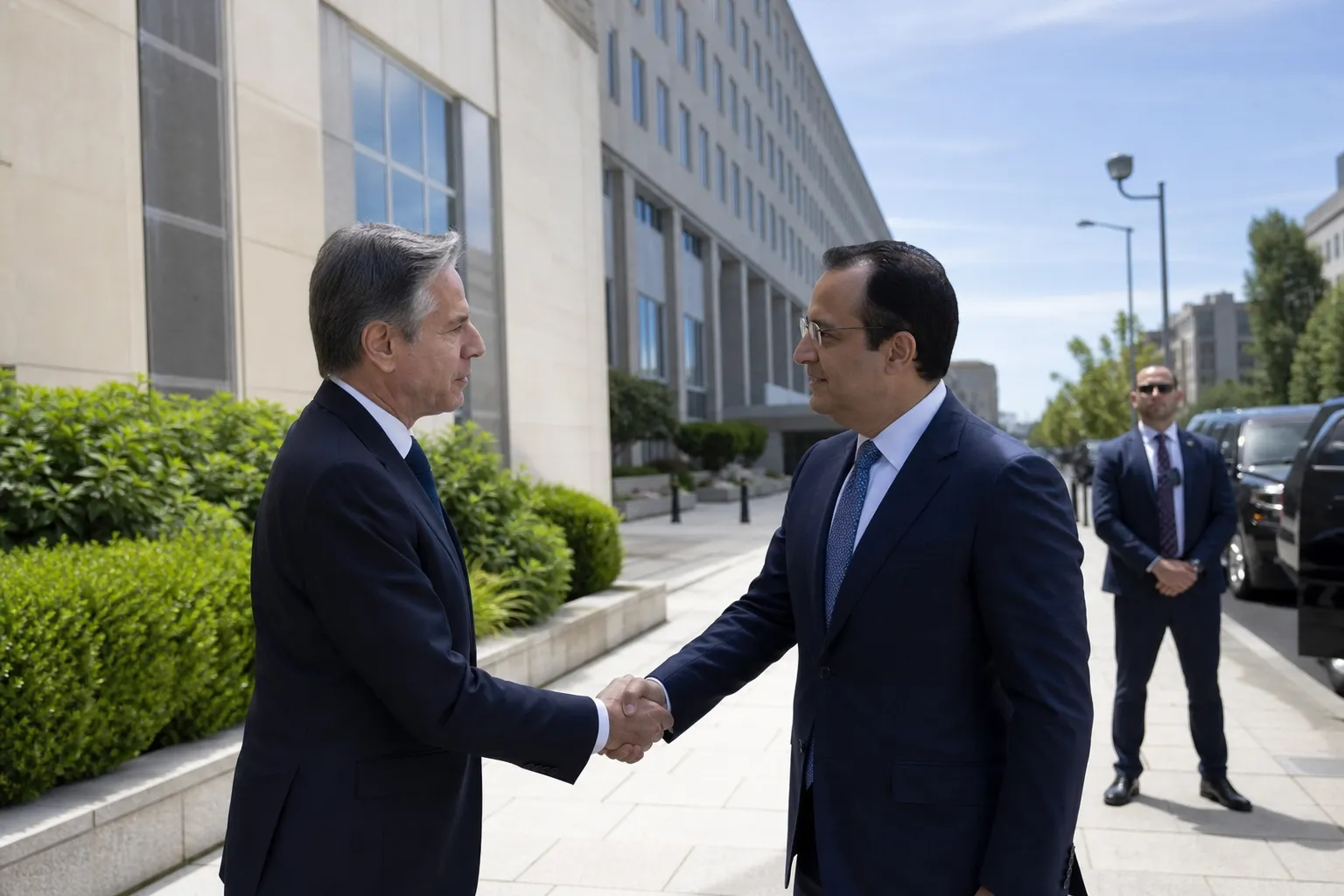
The ambassadors of Israel and Lebanon are scheduled to meet at the State Department in Washington to discuss recent developments and the continued implementation of a framework agreement. This significant diplomatic engagement, hosted in the United States capital, shows the ongoing efforts to navigate complex relations between the two nations. The meeting between the diplomats comes after a postponement of earlier discussions, which has introduced a temporary pause in direct, formal negotiations. The delay in negotiations is attributed to several factors, including the observance of Jewish holidays, a high-profile conference held in Paris specifically to support the Lebanese Armed Forces, and ongoing preparations for the United Nations General Assembly, which typically involves intense diplomatic activity and scheduling conflicts for national representatives.
Ongoing Diplomatic Efforts
Lebanon and Israel have engaged in a series of direct talks since April, aimed at addressing ongoing issues and fostering a path towards greater stability between the two nations. These discussions have taken place across two key international locations, noting the multinational interest and facilitation involved in these sensitive negotiations. Since April, Lebanon and Israel have held seven rounds of direct talks, demonstrating a sustained commitment to dialogue despite historical tensions. Five of these rounds were held in Washington, D.C. Within the United States, utilizing the neutral ground and diplomatic resources offered by the State Department. The most recent two rounds of negotiations subsequently took place in Rome, Italy, further diversifying the venues for these critical discussions. These meetings represent continued diplomatic efforts between the two countries, seeking to build on existing understandings and address new challenges, despite recent postponements of further direct discussions. The sustained nature of these engagements, even with periodic interruptions, signals a commitment to a diplomatic resolution.
Framework Agreement Details
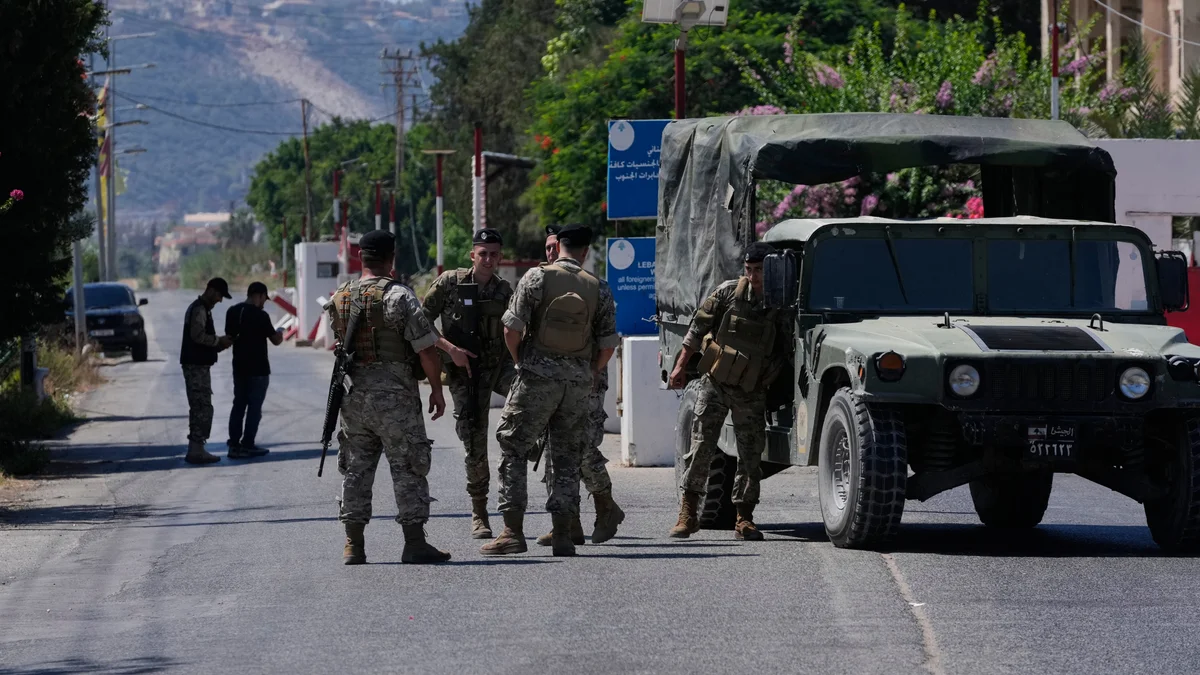
The sixth round of negotiations proved particularly key, concluding with a preliminary agreement to identify two specific "pilot zones" as initial areas for implementing Israel's withdrawal. This agreement established a foundational understanding for future actions. The framework formula stipulates a full, phased withdrawal by Israel from all occupied Lebanese territory. This intricate process is set to commence with a model implemented in the two designated pilot zones, serving as a test case for the broader withdrawal. In return for Israel's withdrawal from these areas, the agreement provides for the reciprocal deployment of the Lebanese army into these territories. This phased approach aims to establish a structured mechanism for disengagement and the re-establishment of Lebanese sovereignty in the specified territories, ensuring a controlled and orderly transition. The discussions surrounding these detailed arrangements and their practical implementation are central to the ongoing diplomatic efforts between the two nations, providing a concrete roadmap for future actions.
Concerns and Future Steps
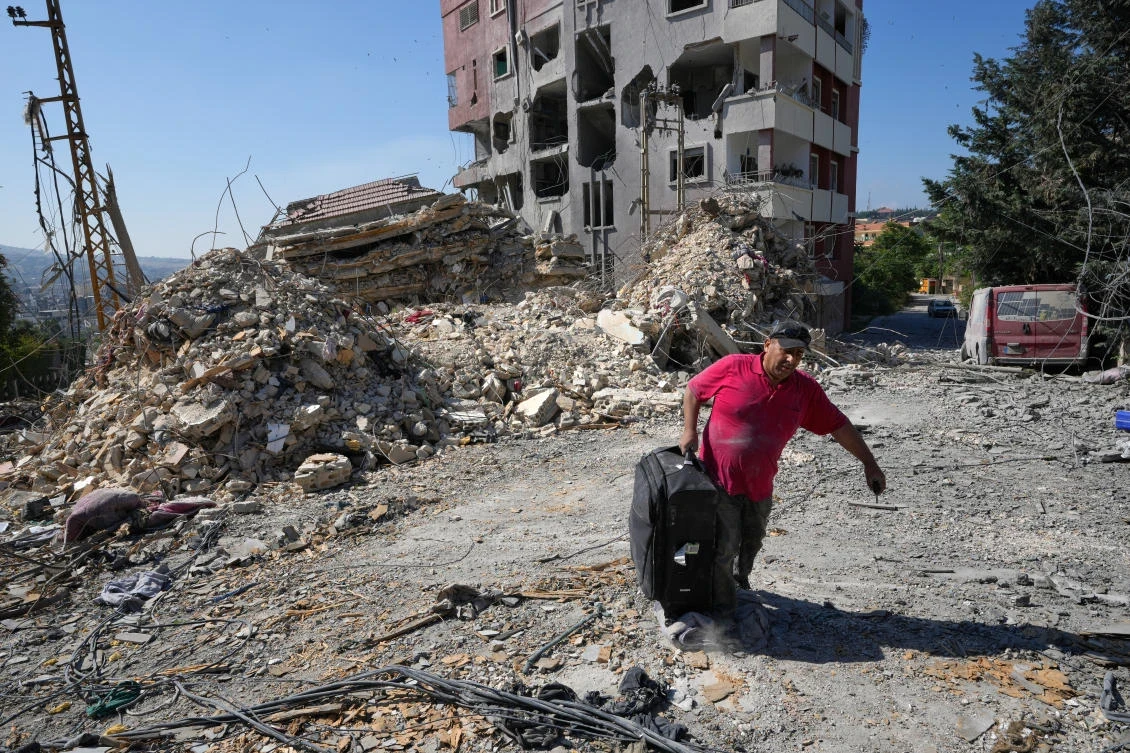
Formal negotiations in Rome have been postponed until October, signaling a pause in the direct talks between Israel and Lebanon and creating a period of anticipation for their resumption. Meanwhile, the operational environment remains fraught with challenges. The Lebanese army has officially documented a significant number of violations, specifically 7,700 incidents by Israel, since the framework agreement was signed on June 26. This substantial figure raises serious concerns about compliance and trust. The Lebanese army also issued a clear warning that these numerous violations threaten the current agreements and the arrangements meticulously established between the parties. This development comes as diplomatic efforts continue to navigate complex issues between the two nations, despite the recent delays in scheduled discussions. The documented violations add a critical layer of concern regarding the stability of existing frameworks and the overall prospects for future cooperation, as both sides prepare for upcoming diplomatic engagements in Washington. The upcoming meeting at the State Department will therefore be key in addressing these violations and reaffirming commitment to the framework agreement.