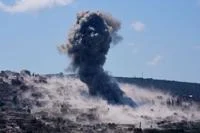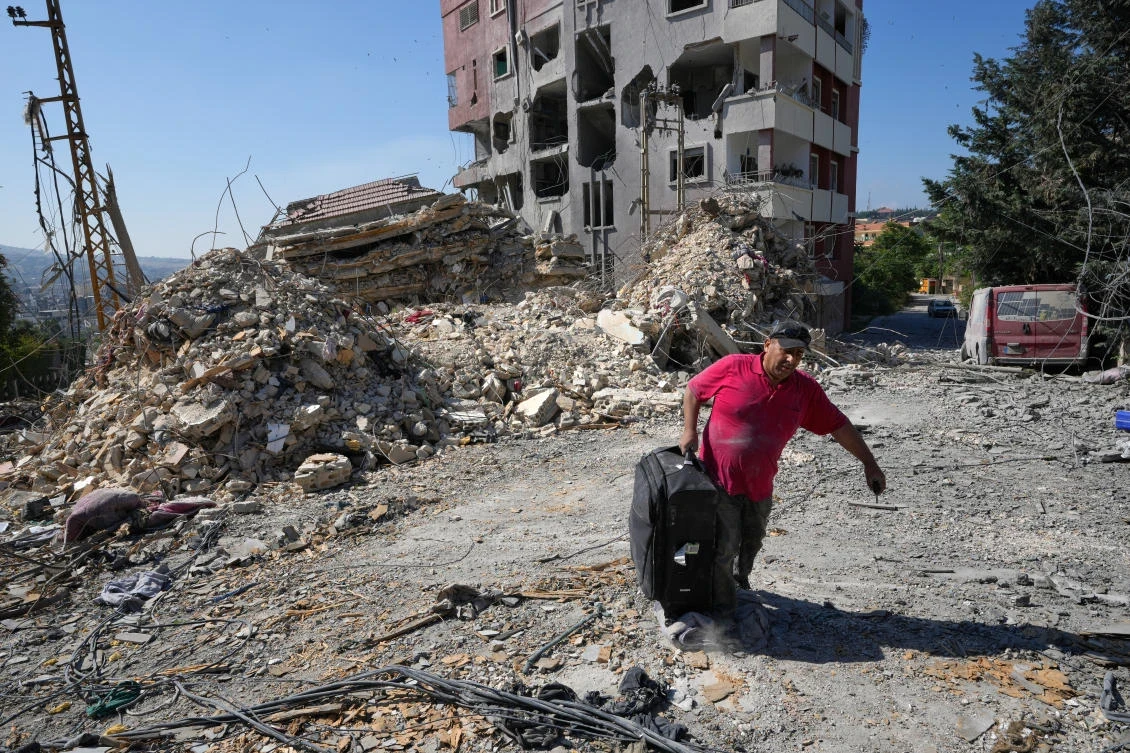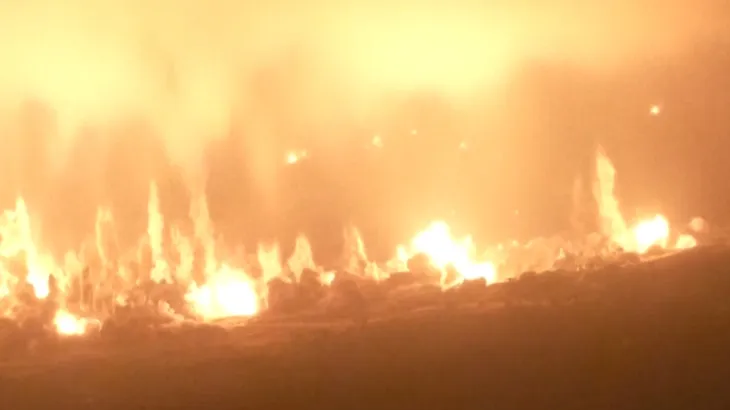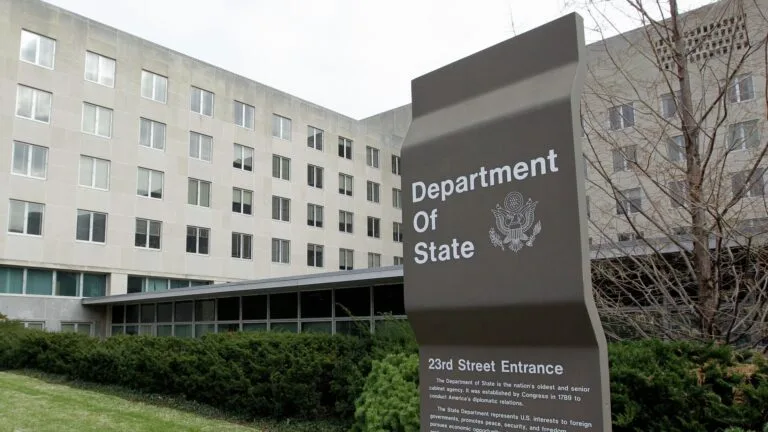
The next round of US-brokered talks between Israel and Lebanon has been delayed until October, the State Department announced on Friday. This announcement comes as tensions in the region continue to escalate, casting a shadow over diplomatic efforts. The two nations had initially been scheduled to convene in Rome next week to continue their discussions, which aim to address long-standing border disputes and security concerns. This postponement follows an intense military action by Israeli forces, which bombed the Ali Al Taher ridge located in southern Lebanon’s Nabatieh district. The operation involved the use of more than 1,000 tonnes of explosives, significantly impacting the area and showing the volatile security situation along the border. The scale of the bombing operation notes the ongoing military activities that complicate diplomatic progress between the two countries.
Reasons for Postponement
Several factors contributed to the decision to delay the US-brokered talks, according to sources familiar with the diplomatic landscape. A source familiar with the matter indicated that the convergence of the UN General Assembly, Jewish holidays, and the Lebanese Armed Forces conference in Paris rendered the previously planned meeting unfeasible. These scheduling conflicts presented significant logistical challenges for all parties involved, making it difficult to ensure high-level representation and productive engagement. The confluence of these major events meant that key officials and negotiators would be otherwise occupied, making a successful meeting in Rome improbable.
A Lebanese source close to the negotiations expressed skepticism about the likelihood of talks proceeding next week, despite earlier media reports suggesting a September 14 or 15 date. The source stated, "First of all, the Americans would inform us, not the Israelis. Second, we did not agree to any appointment because the Americans did not inform us of one." This statement shows a perceived lack of direct communication regarding the scheduling and notes the sensitive nature of information flow in these high-stakes negotiations. Another Lebanese source added that "The timing doesn’t suit us. The President has to prepare for the Paris conference." This reference points to the domestic and international commitments of Lebanese leadership, which also factored into the postponement. France is currently preparing to host a meeting aimed at gathering support for the Lebanese army, an event of significant importance for Lebanon's security and stability.
The Lebanese source close to the negotiations also commented on the broader impact of the talks, observing, "In some places, [the negotiations] may have stopped them [the Israelis] from attacking Dahiyeh and Beirut, but it hasn't stopped them at all in south Lebanon." This perspective suggests that while the diplomatic channel might offer some deterrent effect in certain areas, it has not fully curtailed military actions in the southern region, where the recent Israeli bombing occurred.
Stalled Progress and Security Concerns
Little progress has been made beyond establishing two “pilot zones” for Israel to withdraw, according to sources familiar with the negotiations. Discussions have stalled on how a verification committee could ensure any deal is upheld, a key component for building trust and ensuring compliance. Under the proposed framework, the Lebanese army is to control areas where Israeli forces have withdrawn and Hezbollah is disarmed. This aspect of the framework is particularly sensitive, given the complex political and security landscape in southern Lebanon and the presence of various armed groups. The inability to agree on a strong verification mechanism remains a significant hurdle to advancing the negotiations.
Meanwhile, Israel is prepared to expand its campaign by "striking Hezbollah" at "additional locations" after demolishing tunnels built by the Iran-backed group in southern Lebanon. This proactive stance by Israel indicates a continued focus on security threats emanating from its northern border. Israeli Defence Minister Israel Katz stated that there is now "a strong security zone, stronger than ever before," reflecting Israel's assessment of its enhanced defensive posture following these operations. The ongoing military actions and the perceived lack of progress in negotiations have collectively contributed to the delay in the US-brokered talks, as both sides appear to be prioritizing security operations and strategic positioning over immediate diplomatic engagement. The underlying security concerns and the perceived need for military action continue to overshadow the prospects of a swift diplomatic resolution.
Alternative Diplomatic Efforts
While the US-brokered direct talks have been postponed, diplomatic efforts continue on other fronts, indicating a sustained commitment to dialogue despite the challenges. The Lebanese and Israeli ambassadors to the United States are scheduled to meet in Washington next week. This meeting aims to address ongoing developments and discuss the continued implementation of the Trilateral Framework. The framework outlines a mechanism for de-escalation and communication between the two countries, particularly concerning border security and the presence of armed groups in southern Lebanon. This engagement in Washington signals an ongoing commitment to dialogue, even as the higher-level negotiations face delays. The discussions between the ambassadors are expected to focus on maintaining stability and exploring potential pathways for future cooperation under the existing framework, providing a parallel channel for communication amidst regional tensions. This ambassadorial meeting serves as a critical avenue for maintaining open lines of communication and addressing immediate concerns, even as the broader, more complex negotiations are put on hold. It shows the multifaceted nature of diplomatic engagement between the two nations, utilizing various levels of representation to manage their relationship.