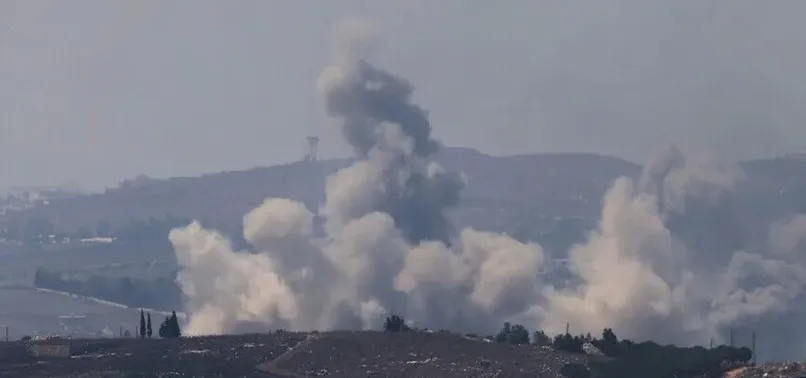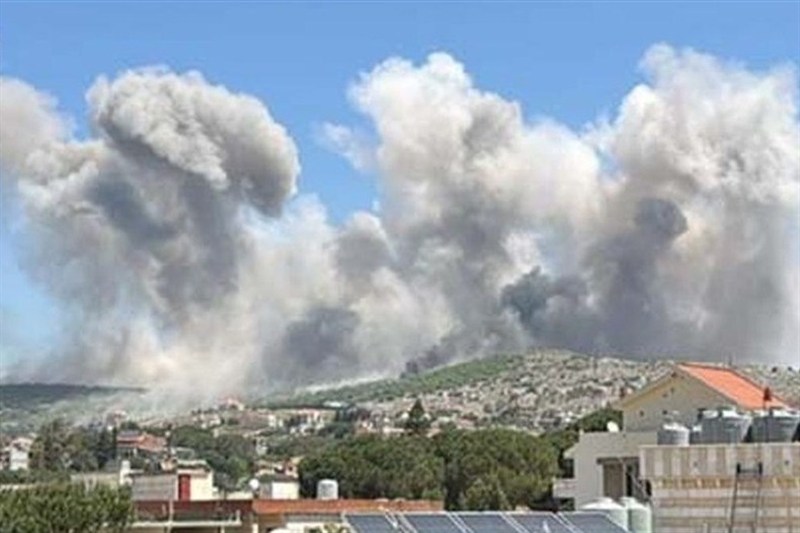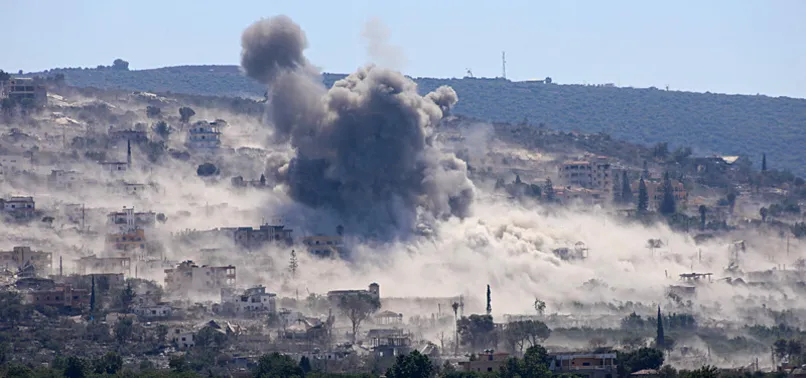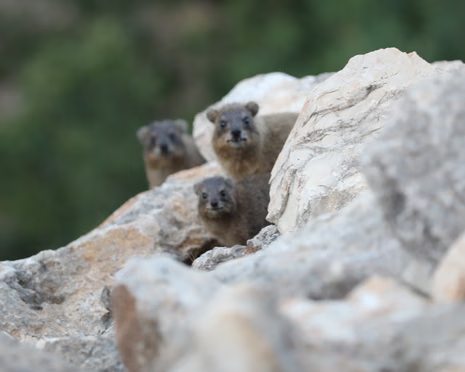
Repeated large-scale detonations across southern Lebanon are destroying ancient limestone habitats that have sheltered rock hyrax colonies for centuries. These powerful explosions pose a significant threat to the region's unique biodiversity and geological formations. Demolitions have become increasingly common across villages invaded by Israeli troops, reshaping urban areas and surrounding karst landscapes. The environmental impact of these military operations is extensive, affecting both visible structures and the delicate subterranean ecosystems. Satellite imagery following large-scale detonations on June 26 revealed extensive alteration of habitats in the landscape surrounding Majdal Zoun. This area is of particular ecological importance, as Green Southerners had previously documented rock hyrax colonies in Wadi Majdal Zoun, noting the direct threat to these established populations.
The Fragile Karst Ecosystems
Studies show that powerful explosions can destabilise fragile karst formations through shock waves and intense ground vibration. These forces can cause fractures, collapses, and the obstruction of subterranean refuge systems within these unique geological structures. The integrity of the karst landscape, characterized by soluble bedrock like limestone, is particularly vulnerable to such disturbances, which can have long-lasting effects on its structural stability and ecological function. The geological characteristics of karst, with its intricate network of caves and fissures, make it highly susceptible to the destructive energy released by large detonations.
Repeated blasting in these areas generates various post-blast gases, including carbon monoxide and nitrogen oxide. It also releases significant amounts of rock dust, particulate matter, and residual explosive compounds. These byproducts can affect the surrounding soils, air quality, and water sources, potentially altering the chemical composition of these essential environmental components. The accumulation of these pollutants can lead to long-term environmental degradation, impacting plant life, aquatic ecosystems, and ultimately the entire food web within these areas. The fine particulate matter can travel significant distances, potentially affecting areas beyond the immediate blast zone.
Additionally, blast waves and structural collapse can significantly alter the microclimates within caves and rock shelters. Such disturbances impact key environmental factors like cave humidity, airflow patterns, and temperature regimes. These changes directly damage habitats relied upon by various cave-dwelling and rock-dependent fauna, disrupting ecosystems that have adapted to stable subterranean conditions over millennia. The delicate balance of these microclimates is essential for the survival of many specialized species, making them particularly vulnerable to sudden and drastic alterations. The destruction of these stable environments forces species to relocate or face local extinction.
Witnessing the Devastation
On April 30, social media accounts associated with the Israeli army published footage depicting a large detonation targeting a neighborhood in Bayada, located along Lebanon’s southern coast. This visual evidence shows the scale of destruction being inflicted upon residential areas and their immediate natural surroundings. Explosions in Bayada and the nearby area of Naqoura on the same date were reportedly powerful enough to be observed and heard in the coastal city of Tyre, situated over six miles to the north. The widespread impact of these detonations indicates a significant release of energy, capable of causing extensive damage to both built environments and natural habitats. These detonations occurred in an area where white phosphorus is present in some forms of smoke-screening shells used by the military, raising additional concerns about potential environmental contamination. The regional subspecies of rock hyrax has previously been described as relatively stable by the International Union for Conservation of Nature. However, no official nationwide assessment of rock hyrax populations currently exists in Lebanon, making it difficult to ascertain the full extent of the impact on their numbers.
Broader Ecological Ramifications
The Syrian rock hyrax (Procavia capensis syriaca), locally known as tabsoun, relies almost entirely on the fissures and cavities of karstic limestone for shelter. This subspecies also depends on sparse coastal vegetation as its food source, making it highly dependent on the integrity of both the geological formations and the surrounding flora. In these karst landscapes, contaminants resulting from blasting may spread rapidly through interconnected fractures, caves, and groundwater systems. This occurs due to the high permeability characteristic of limestone, allowing pollutants to infiltrate deeply and widely into the ecosystem, potentially affecting water sources used by both wildlife and human populations. The rapid dispersal of these contaminants poses a long-term threat to the ecological health of the region.
Recent assessments of wartime environmental damage in southern Lebanon have identified significant habitat fragmentation. These assessments also point to the creation of ecological barriers that disrupt wildlife movement patterns for numerous species, including the rock hyrax. Such fragmentation isolates populations, reducing genetic diversity and increasing their vulnerability. Biodiversity loss can manifest through various mechanisms, such as direct wildlife mortality and species displacement, according to a recent report from Lebanon’s National Council for Scientific Research. The report further notes that the breakdown of essential ecological interactions, such as pollination and seed dispersal, also contributes to biodiversity decline, creating a ripple effect across the ecosystem. The ongoing destruction threatens not only individual species but the overall resilience and functionality of these ancient natural systems.