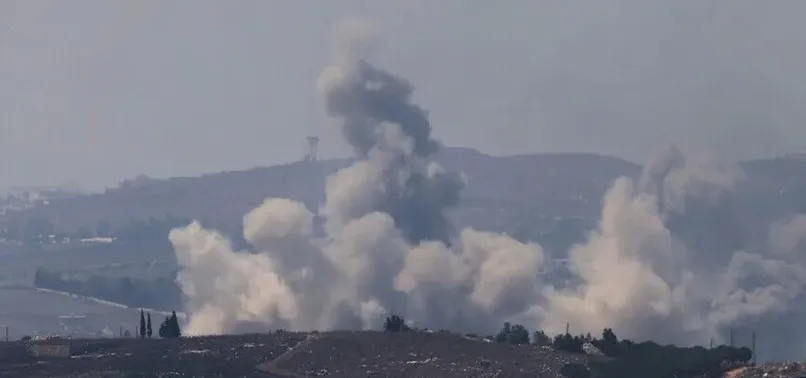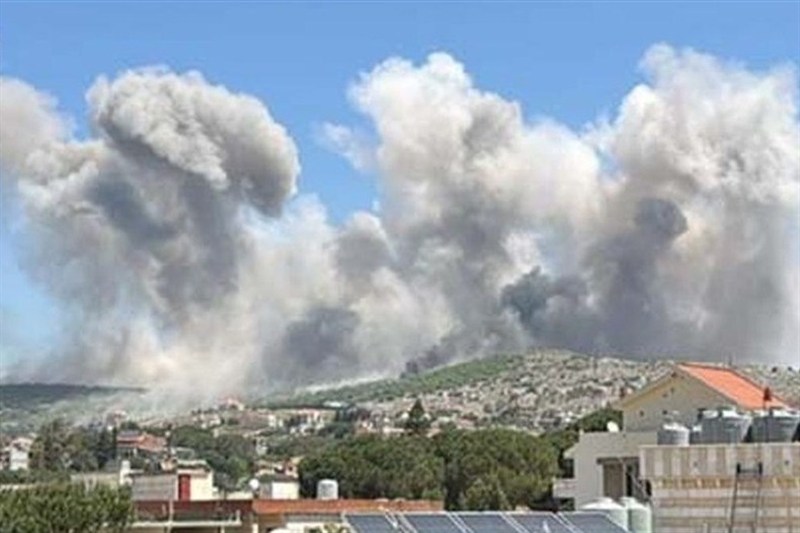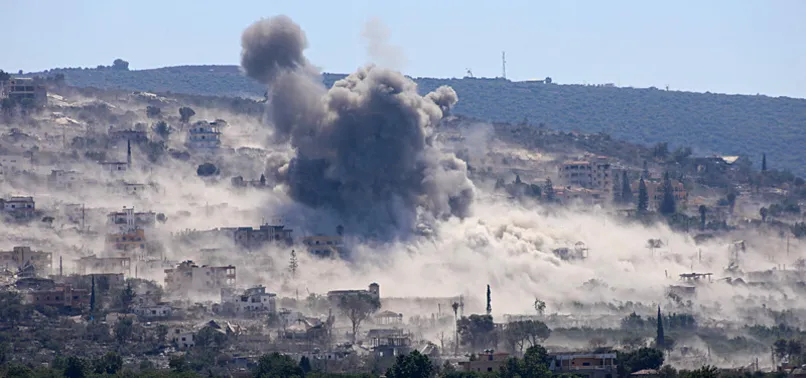
The Lebanese army has reported approximately 7,700 violations by the Israeli army of a US-brokered framework deal since its signing in June. These alleged violations encompass a range of incidents, as claimed by Lebanon, including instances of firing near Lebanese army personnel and patrols. The significant figure of approximately 7,700 violations covers the period following the agreement's signing, which took place in June. The framework deal itself was designed to establish a structured approach for negotiations concerning maritime and land border disputes between the two nations. The consistent reporting of these incidents by the Lebanese military shows the ongoing tensions and volatile security situation prevalent in the border region, despite the diplomatic efforts to establish a framework for dialogue.
Army's Operational Measures
In response to the prevailing security environment and as part of its mandate, the Lebanese army initiated full measures to establish operational control in designated areas. These strategic measures included the establishment of six checkpoints at key locations and 13 observation posts situated in and around the areas of Western Zoutar, Fren, and Sarfina. These installations are key for monitoring activity and asserting the army's presence. During these extensive operations, the Lebanese army successfully confiscated a substantial cache of approximately 1,818 weapons and ammunition items. The confiscated arsenal was diverse, including various types of rockets, unmanned aerial vehicles (drones), and a wide array of explosives, according to official army reports. Additionally, as part of its efforts to secure the operational zones and facilitate movement, the Lebanese army cleared nearly 7.5 miles of roads, removing obstacles and potential threats.
Context of Violations
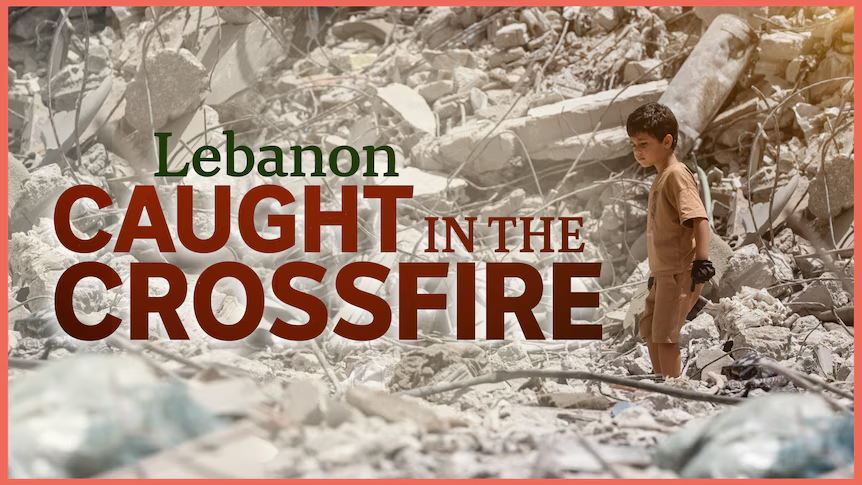
The reported violations by the Israeli army are set against a backdrop of severe incidents, including a tragic massacre in Kfar Remman, Nabatieh. This devastating event resulted in the deaths of at least 12 individuals, a figure that tragically included women and children. The incident in Kfar Remman adds a grim dimension to the reported violations in the region, which the Lebanese army has been diligently documenting. The specific details surrounding the Kfar Remman event are considered by the Lebanese army to be part of a broader, concerning pattern of reported incursions and actions that Lebanon explicitly attributes to the Israeli army. These incidents occur consistently against the backdrop of the US-brokered framework deal, which was specifically intended to facilitate negotiations on critical maritime and land border issues and, by extension, foster greater stability. The Lebanese army has continued to report such violations since the deal's signing in June, painting a picture of persistent challenges to regional peace.
Implications and Intent
The Lebanese army has explicitly stated that the reported violations by the Israeli army are perceived as having a deliberate aim: to undermine its credibility both domestically within Lebanon and internationally on the global stage. These alleged actions, which have been occurring consistently since the US-brokered framework deal was signed in June, are viewed by the Lebanese military as a calculated attempt to weaken its standing and operational effectiveness. The army has meticulously been documenting these incidents, which it claims include numerous incursions and provocative actions near its personnel and established observation posts. Such violations, according to the Lebanese army, could severely hinder its ongoing efforts to establish and maintain control in sensitive border regions and to ensure overall national stability. The documented incidents contribute significantly to a narrative of ongoing challenges and pressures faced by the Lebanese armed forces in asserting its authority, safeguarding national interests, and upholding its sovereign responsibilities in a complex geopolitical environment.