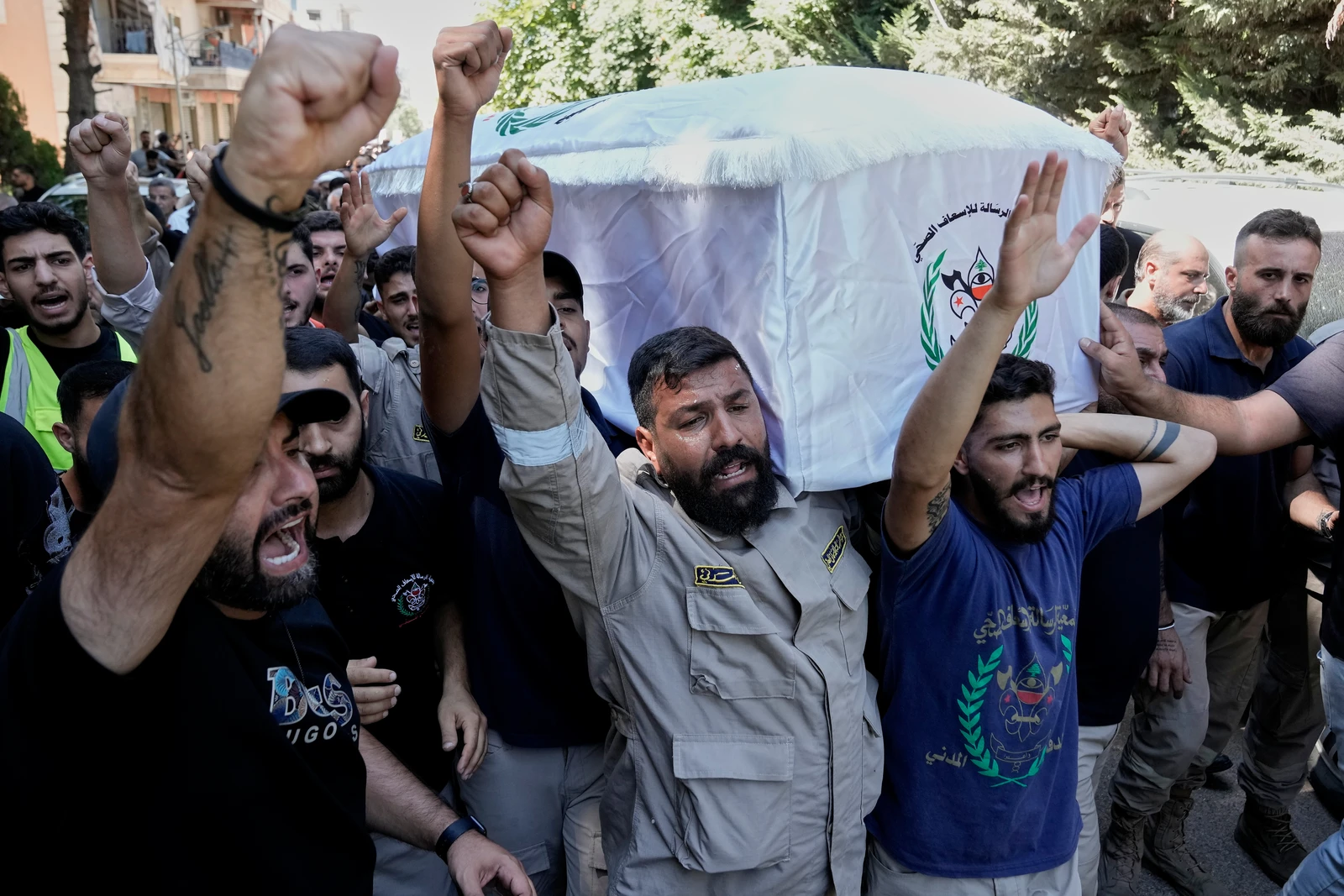
The UN Secretary-General has condemned increasing civilian casualties in southern Lebanon and called for Israel to withdraw its forces from Lebanese territory. The Secretary-General expressed deep concern over the escalation of Israeli military operations in the region, emphasizing the severe impact on the civilian population. This condemnation notes the growing alarm within the international community regarding the protracted conflict and its humanitarian consequences. The Secretary-General's office has been closely monitoring the situation, noting the deteriorating conditions and the urgent need for de-escalation.
The Secretary-General appealed for an immediate cessation of hostilities, showing the critical need to protect civilian lives and infrastructure. This call comes amidst reports of intensified fighting in areas such as Nabatieh, a region that has borne the brunt of recent military engagements. The United Nations has consistently advocated for de-escalation along the Israel-Lebanon border to prevent a wider regional conflict, a concern that has been amplified by the recent surge in violence. The ongoing exchanges of fire pose a significant threat to regional stability, prompting repeated calls from the UN for all parties to exercise maximum restraint. The international body maintains that a sustained cessation of hostilities is the only viable path to mitigating further suffering and averting a broader conflagration.
Intensifying Conflict and Civilian Impact
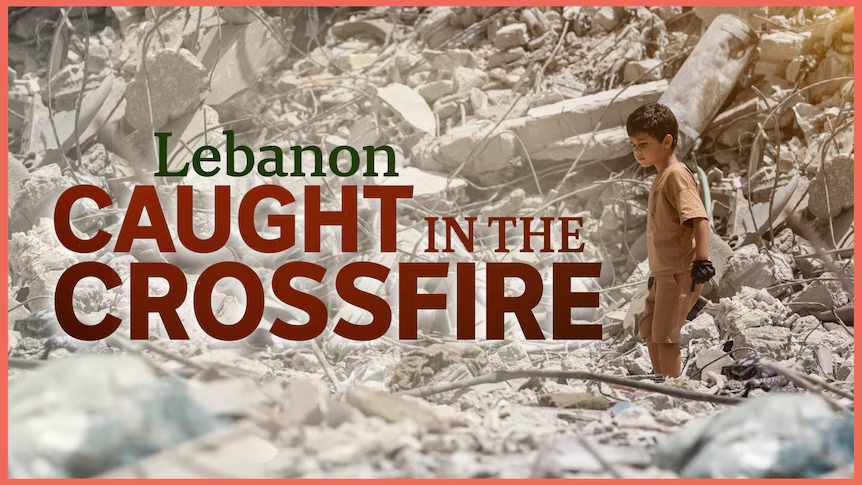
Fighting is intensifying in and around Nabatieh, a district that has seen a significant escalation in military activities. The Secretary-General, through Spokesperson Stéphane Dujarric, pointed to "scenes of massive destruction and devastation" unfolding across the district as a direct consequence of the escalating conflict. These destructive impacts have led to a substantial displacement of the local population. Around 20,000 people reportedly fled Nabatieh District last week alone, a testament to the severity of the situation and the immediate danger faced by residents. The UN humanitarian affairs office (OCHA) corroborated this figure, reporting that approximately 5,000 families, totaling around 20,000 individuals, departed Nabatieh District over the past week due to the hostilities. This mass exodus shows the profound humanitarian crisis unfolding in the region, as families abandon their homes in search of safety. The rapid displacement creates immense challenges for humanitarian organizations attempting to provide aid and shelter to those uprooted by the violence.
The humanitarian situation in the area is worsening, with healthcare services in the Nabatieh region facing increasing pressure. The Secretary-General has expressed alarm over reports indicating that Israeli strikes have affected vital infrastructure, including hospitals, healthcare workers, and public institutions within the district. Such incidents further strain an already vulnerable healthcare system struggling to cope with the influx of casualties and the displacement of medical personnel. The damage to medical facilities not only hinders the treatment of those injured in the conflict but also disrupts essential health services for the wider population, exacerbating pre-existing health challenges. The targeting or incidental damage to public institutions also undermines the fabric of civil society and the ability of local authorities to respond effectively to the crisis. These actions have a cascading effect, impeding recovery efforts and prolonging the suffering of the affected communities.
Compounding these challenges, restrictions on humanitarian access have been reported, hindering efforts to provide aid to those affected by the conflict. These restrictions make it exceedingly difficult for humanitarian agencies to deliver life-saving assistance, including food, water, medical supplies, and shelter, to the most vulnerable populations. The United Nations Interim Force in Lebanon (UNIFIL) has also encountered operational difficulties. UNIFIL reported experiencing roadblocks and checkpoints that have impeded their movement within their area of operations, complicating their mandate to monitor the cessation of hostilities and support the Lebanese Armed Forces. These movement restrictions exacerbate the humanitarian crisis by limiting the ability of aid organizations and peacekeepers to reach communities in need and assess the full extent of the damage and displacement. The cumulative effect of intensified fighting, widespread destruction, civilian displacement, and impediments to aid delivery shows the severe impact on the civilian population in Nabatieh and the surrounding areas. The inability of UNIFIL to move freely also compromises its capacity to de-escalate tensions and report on violations, which is key for maintaining stability in the volatile border region.
UNIFIL's Observations and Concerns
The United Nations Interim Force in Lebanon (UNIFIL) has documented a significant increase in Israeli military activity, providing concrete data on the scale of the recent escalation. Between Thursday and Monday, UNIFIL recorded 528 Israeli projectiles fired across the Blue Line, according to their observations. This high volume of fire indicates a sustained and intense period of military engagement. The peacekeeping force also noted a surge in Israeli airspace violations, with 62 such incidents reported on Sunday alone. This figure represents one of the highest daily totals for airspace violations recorded by UNIFIL since June, noting a marked increase in aerial incursions over Lebanese territory. The frequency and intensity of these violations are a source of considerable concern for UNIFIL, as they contribute to the volatile security situation and carry the risk of miscalculation or unintended escalation.
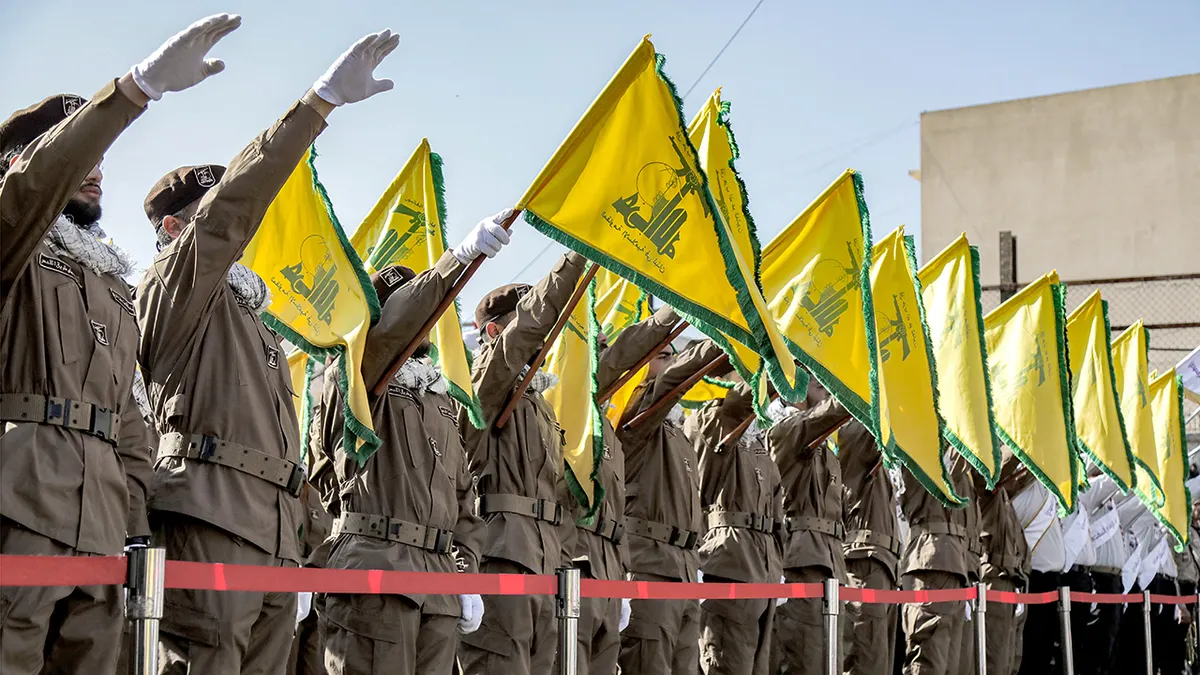
During the same period on Sunday, UNIFIL detected one projectile fired by Hezbollah. This marked the first instance of a Hezbollah-launched projectile recorded by the force since June 21, indicating a shift in the pattern of engagement or a specific retaliatory action. While this number is significantly lower than the Israeli projectile count, any cross-border fire represents a breach of the cessation of hostilities and a threat to regional stability. UNIFIL's detailed monitoring provides an objective account of the military activities, which is vital for understanding the dynamics of the conflict and for informing diplomatic efforts to de-escalate. The careful documentation of these incidents by UNIFIL shows the continuous volatility along the Blue Line and the constant risk of further escalation.
In addition to monitoring military activities, UNIFIL has been involved in humanitarian efforts, demonstrating its multifaceted role in the region. The force facilitated 13 missions between Thursday and Monday, operating in coordination with the UN Office for the Coordination of Humanitarian Affairs (OCHA). These missions are key for ensuring that aid reaches affected communities, especially given the aforementioned restrictions on movement. UNIFIL's involvement in humanitarian logistics helps to bridge gaps in access and provides a measure of security for aid workers operating in dangerous environments. The coordination with OCHA ensures that these efforts are aligned with broader humanitarian objectives, maximizing their impact on the ground. These humanitarian facilitation efforts are a critical component of UNIFIL's mandate, complementing its peacekeeping and monitoring roles by directly addressing the urgent needs of the civilian population caught in the conflict.
International Law and Humanitarian Appeals
The Secretary-General urged all sides to respect Lebanon's sovereignty and territorial integrity, according to Spokesperson Stéphane Dujarric. This call is a fundamental pillar of international law, emphasizing the importance of respecting national borders and preventing unauthorized incursions. He also called on all parties to fulfill their obligations under Security Council resolution 1701 (2006). The resolution, adopted in August 2006, calls for a full cessation of hostilities and respect for the Blue Line, which serves as the de facto border between Lebanon and Israel. Adherence to this resolution is considered critical for maintaining peace and security in the region, and its full implementation remains a key objective of the international community. The Secretary-General's repeated emphasis on Resolution 1701 notes its continued relevance and the international community's expectation that all parties will abide by its provisions.
Further, the Secretary-General emphasized that all parties must comply with their obligations under international law, including international humanitarian law. This obligation entails the protection of non-combatants and civilian infrastructure during armed conflict. International humanitarian law sets clear rules for the conduct of warfare, aiming to limit suffering and protect those not participating in hostilities. The Secretary-General, through Spokesperson Stéphane Dujarric, stated clearly that "civilians and civilian objects must be protected at all times, and attacks directed against them are unacceptable." This declaration reinforces the fundamental principles of international law regarding the conduct of hostilities, making it clear that there can be no justification for targeting civilians or civilian infrastructure. The UN consistently reminds all belligerents of their legal and moral responsibilities to distinguish between combatants and civilians, and to take all feasible precautions to avoid civilian harm.
The Secretary-General's office reiterated that attacks directed against civilians and civilian objects are unacceptable under any circumstances. This appeal comes amid reports of escalating violence in southern Lebanon, particularly in and around Nabatieh, where civilian casualties and damage to infrastructure have been extensively documented. The United Nations continues to monitor the situation closely and advocate for adherence to international legal frameworks to mitigate harm to the civilian population. The consistent messaging from the UN serves as a reminder to all parties of their accountability under international law and the imperative to prioritize human life and dignity amidst conflict. The international community, through the UN, remains committed to promoting a peaceful resolution and ensuring that the principles of international humanitarian law are upheld to prevent further tragedy in southern Lebanon.