Israel opposes efforts to extend the mandate of the UN Interim Force in Lebanon (UNIFIL) beyond December 31, according to reports published on September 08, 2026. This firm opposition from Israel comes as the UN Security Council previously decided last year that UNIFIL's mandate would conclude at the end of this year. The approaching December 31 deadline for the peacekeeping mission has intensified diplomatic discussions regarding the future of security arrangements in southern Lebanon. This report, detailing Israel's stance, was updated on September 08, 2026, at 5:58 PM.
Israel’s rejection of a UNIFIL mandate extension beyond the end of the year notes its desire for a fundamental shift in the security architecture along its northern border. The decision by the UN Security Council last year to set a December 31 expiry for UNIFIL's mandate has created an urgent need for alternative solutions, prompting various proposals from international actors. Israel's consistent stance shows its long-held concerns about the effectiveness of the multinational force in addressing its security priorities in the region.
Proposed UNIFIL Alternatives
In response to the impending expiry, France and Italy have put forward a proposal for an international coalition to potentially replace the UN Interim Force in Lebanon (UNIFIL). This proposed coalition, designed to operate in coordination with the European Union and NATO, has drew support from Lebanon. However, Israel has expressed its opposition to this specific idea, indicating a divergence in preferred security mechanisms among key stakeholders. The framework for any new security arrangement, as envisioned by these proposals, aims to support the Lebanese Armed Forces and would be structured around United Nations Security Council Resolution 1701. This resolution, adopted in 2006, calls for a full cessation of hostilities between Israel and Hezbollah and outlines the deployment of UNIFIL alongside the Lebanese Armed Forces in southern Lebanon.
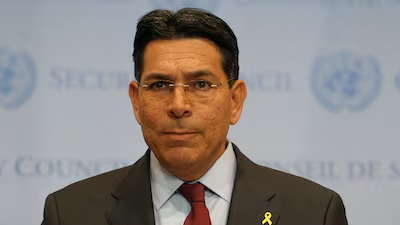
Jean-Pierre Lacroix, the UN peacekeeping chief, has engaged in discussions with Israeli Ambassador Danny Danon regarding various ideas for potential troop deployments following UNIFIL's scheduled departure. Among these concepts, Lacroix mentioned proposals to maintain a significant presence of more than 5,000 troops on the ground in southern Lebanon. These discussions come as the December 31 deadline for UNIFIL's mandate approaches, prompting consideration of alternative security mechanisms in the region. France’s UN ambassador, Jerome Bonnafont, informed The National last week that potential options for future security arrangements include a European-led force or a hybrid model combining United Nations and coalition support.
Israel's Security Rationale
Israel maintains that the Lebanese Armed Forces should assume full responsibility for securing the border between the two nations. This position shows a preference for a direct approach to security in the region, according to Israeli officials. Israel advocates for direct military-to-military arrangements with Lebanon as its preferred model for border security. It has cited existing agreements with Egypt, Jordan, and Syria as precedents for such bilateral security frameworks. These arrangements, Israel suggests, offer a more effective mechanism for managing border security compared to multilateral peacekeeping operations. This preference for direct engagement reflects Israel's long-standing policy of seeking sovereign control over its borders and direct accountability from neighboring states.
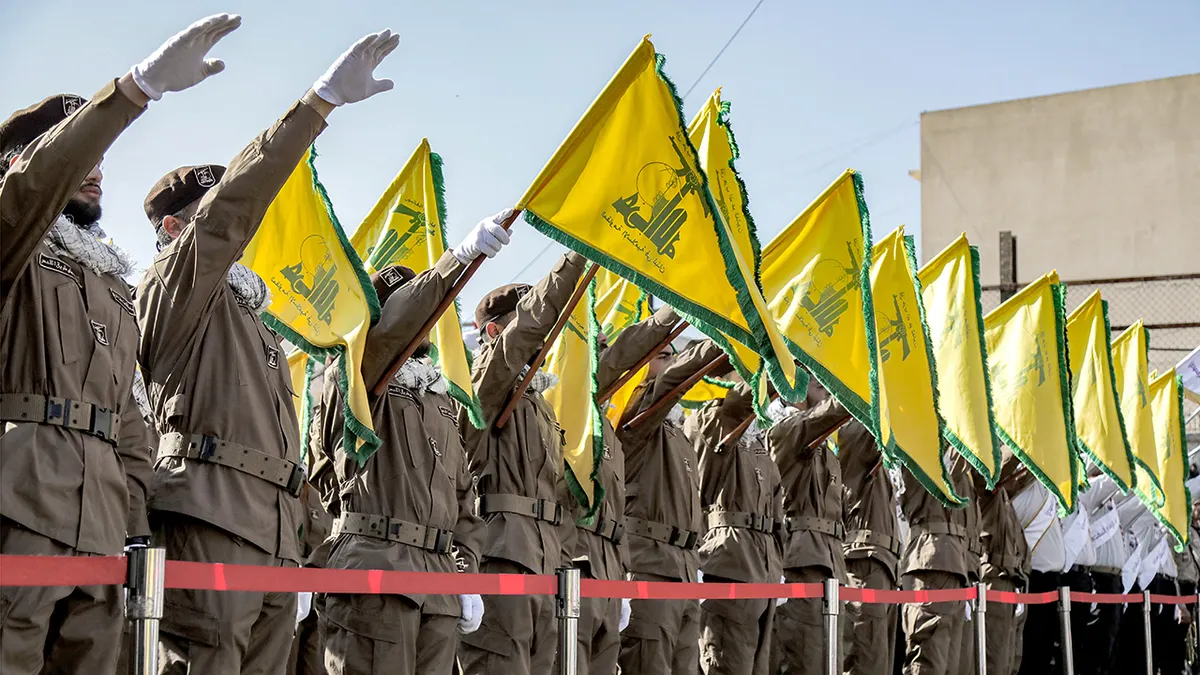
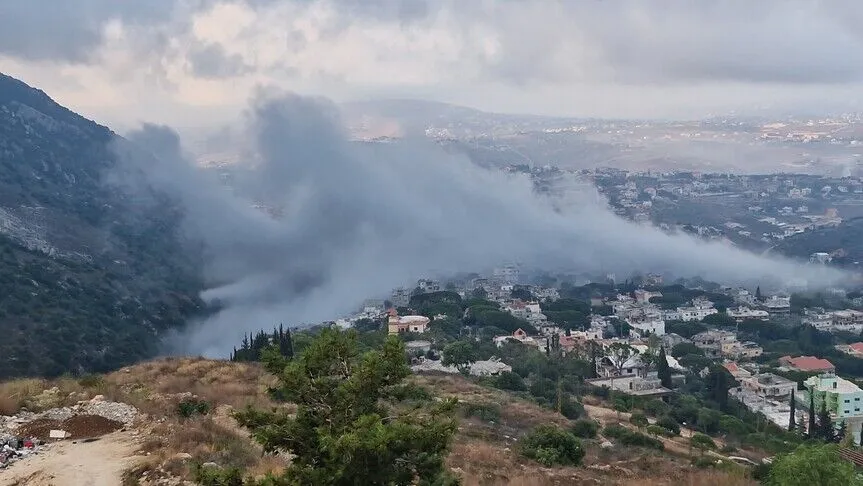
For an extended period, Israel has accused the UN Interim Force in Lebanon (UNIFIL) of failing to contribute effectively to the disarmament of Iran-backed Hezbollah. This long-standing criticism forms a key part of Israel's rationale for seeking alternative security measures and its reluctance to extend UNIFIL's mandate. The perceived ineffectiveness of UNIFIL in addressing the presence of armed groups in southern Lebanon has been a consistent point of contention for Israeli authorities, who argue that the mission has not fully implemented its mandate under UN Security Council Resolution 1701 to ensure the area between the Litani River and the Blue Line is free of any armed personnel, assets, and weapons other than those of the Lebanese Armed Forces and UNIFIL.
Diplomatic Stance and Future
Israel's UN envoy, Danny Danon, expressed surprise regarding proposals to maintain more than 5,000 international troops in southern Lebanon following UNIFIL's anticipated departure. This surprise notes a potential disconnect between some international proposals and Israel's security expectations. However, Israel indicated it would have fewer concerns if foreign troops were deployed elsewhere in Lebanon to focus on training the Lebanese military. This conditional acceptance suggests a willingness to consider international support for strengthening the Lebanese Armed Forces, provided such deployments do not involve a continued international peacekeeping presence directly on the border in a role Israel deems ineffective. The existing UNIFIL mission currently comprises over 7,400 troops contributed by 46 nations, showing the significant international commitment to stability in southern Lebanon. The future of this international presence, and the nature of security arrangements along the Israel-Lebanon border, remain subjects of intense diplomatic negotiation as the December 31 deadline draws near.