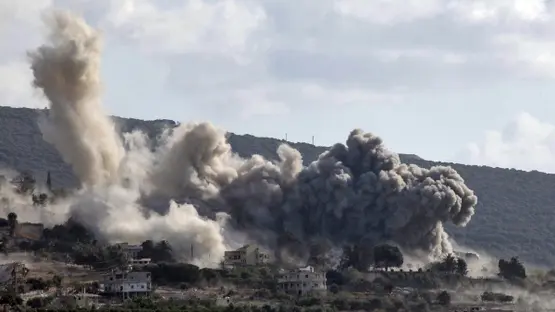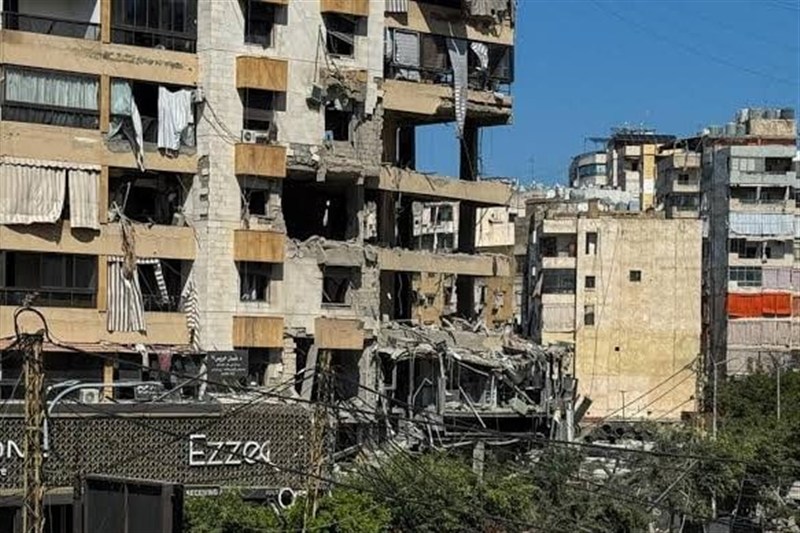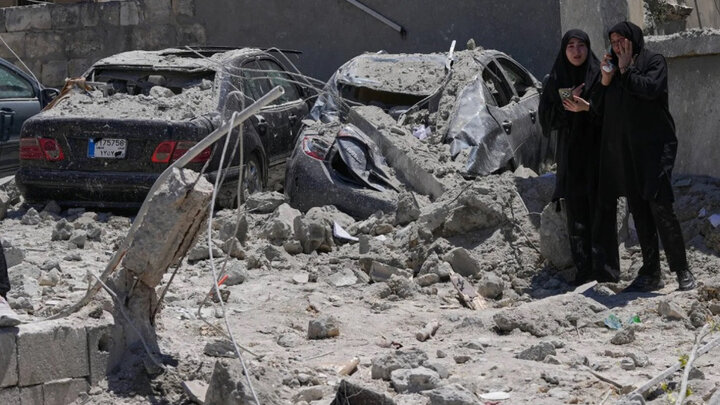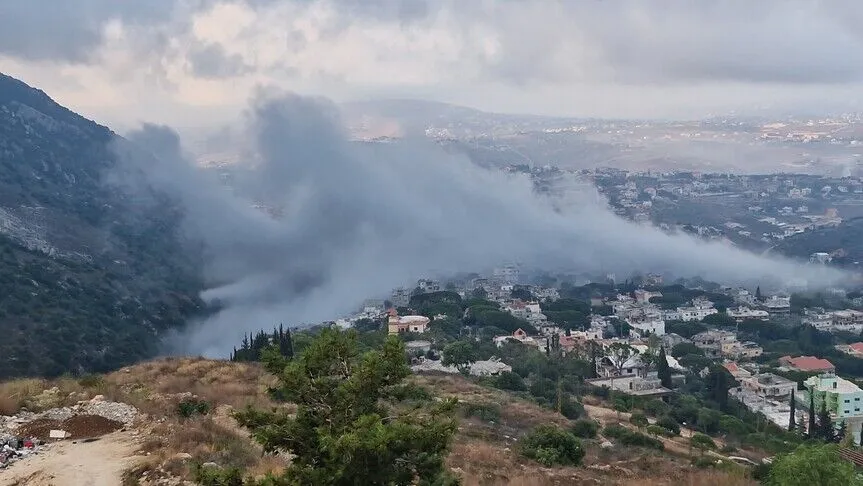
The Israeli army issued an urgent evacuation warning early Monday to residents of Deir al-Zahrani in southern Lebanon, advising them to leave their homes ahead of a planned strike. The directive was communicated to residents in the village, located in southern Lebanon. Ella Waweya stated the site was situated near a Hezbollah facility that the army intended to target. This specific warning shows the precision and immediate nature of the military operation being prepared in the area. The communication aimed to minimize civilian casualties by providing clear instructions for departure from the designated zone.
Details of Evacuation Order
Israeli military Arabic-language spokesperson Ella Waweya called on people inside a designated building and nearby structures to evacuate immediately. Waweya advised residents to move at least 300 meters (984 feet) away from the specific location in Deir al-Zahrani. The spokesperson's directive was part of the broader evacuation order issued for the southern Lebanese village. This distance was specified to ensure the safety of civilians from the anticipated impact of the strike. The Israeli army indicated its intention to conduct a strike in the area following the evacuation, emphasizing the urgency of the residents' departure. The instructions were disseminated through various channels to reach the affected population as quickly as possible, noting the imminent nature of the military action. The focus of the warning was on a particular facility, which Ella Waweya claimed was a Hezbollah site, indicating the target of the impending operation.
Broader Conflict Context
The recent evacuation order follows a period of heightened military activity in the region. At least seven people were killed and more than 20 others were injured on Sunday in Israeli airstrikes across several areas of southern Lebanon. This information was reported by the Lebanese Health Ministry. The strikes occurred a day prior to the Israeli army's directive for residents of Deir al-Zahrani to evacuate, signaling an ongoing escalation in the border area. The Lebanese Health Ministry provided the casualty figures following assessments of the impact of the Israeli operations on Sunday, detailing the human cost of the recent hostilities. The injured individuals received medical attention in the aftermath of these strikes, with medical facilities in southern Lebanon responding to the influx of casualties. These incidents reflect a volatile security situation along the border, characterized by frequent exchanges and military actions from both sides. The pattern of strikes and subsequent warnings indicates a continuing cycle of conflict in the region.
Regional Tensions and Agreements
A US-sponsored framework agreement between Israel and Lebanon was signed on June 26, aiming to address long-standing border issues. The agreement stipulates a gradual withdrawal of Israeli forces from Lebanese territory. In return for Israel's withdrawal, the accord provides for the deployment of the Lebanese army in the vacated areas, establishing a new security arrangement. This diplomatic effort seeks to establish a more stable security arrangement along the border, mitigating the potential for further conflict. The framework agreement was brokered with the support of the United States, indicating international involvement in de-escalating regional tensions. It represents a structured approach to managing the complex relationship between the two nations, particularly concerning their shared border. The implementation of the agreement would involve specific stages for the Israeli withdrawal and the subsequent establishment of Lebanese military presence, aiming to create a demilitarized zone or a zone under Lebanese army control. The signing of this agreement on June 26 was seen as a significant step towards long-term stability, despite the ongoing military escalations.