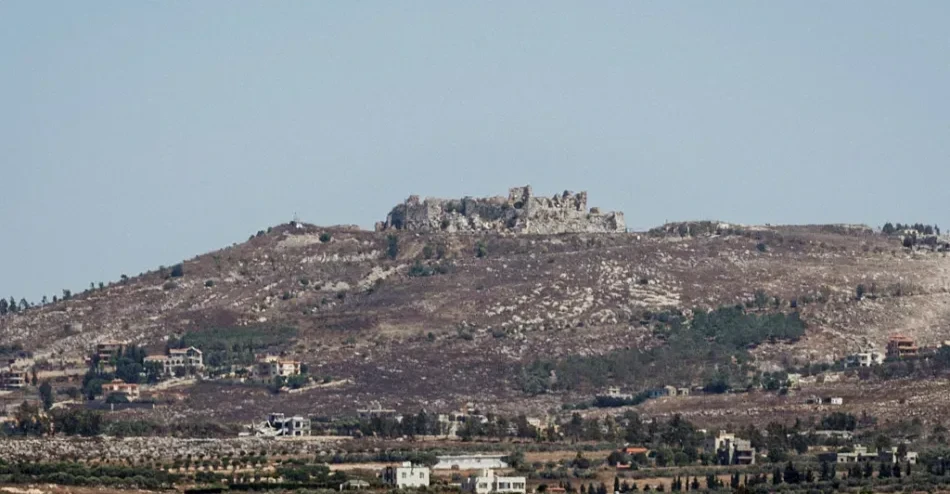
The Israeli regime has ordered residents of Arab Salim in southern Lebanon to evacuate the area, threatening an imminent strike as its forces continue attacks on southern Lebanese communities and infrastructure, according to Tasnim. This directive explicitly instructed residents to leave the area, showing the severity of the impending military action. Israeli regime military spokesman Ella Waweya posted a map on X, marking a specific building in red and instructing residents to leave immediately. Waweya's directive comes amidst ongoing Israeli strikes targeting various locations in southern Lebanon, indicating a heightened state of cross-border hostilities. The order to evacuate Arab Salim residents notes the Israeli military's intention to conduct a significant operation in the area, following a pattern of similar warnings issued in other locations prior to strikes.
Intensified Airstrikes on Southern Lebanon
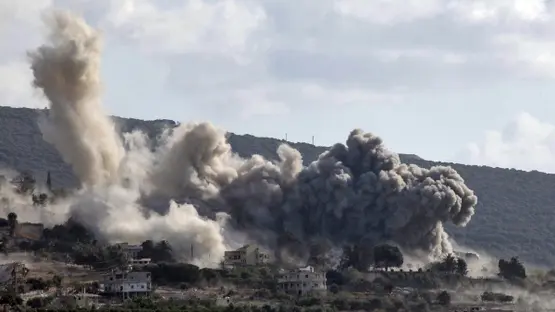
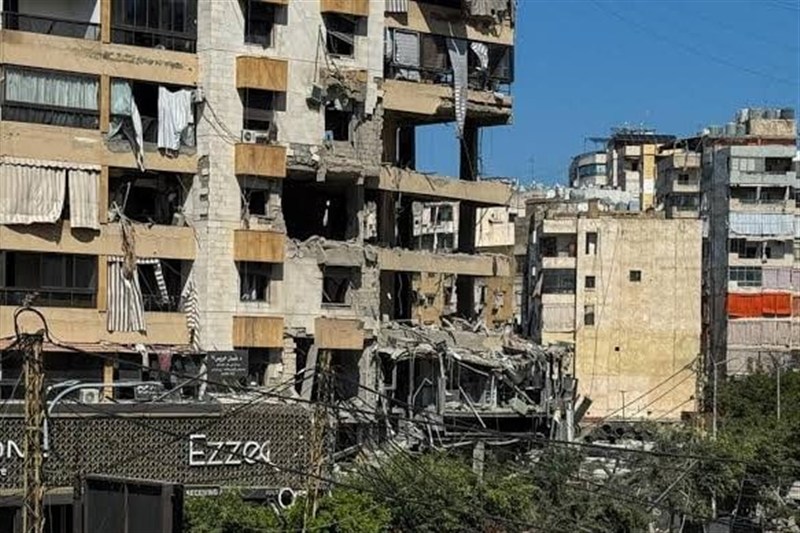
Lebanese media outlets reported Israeli regime airstrikes targeting Nabatieh and its surrounding areas in southern Lebanon. These reports detailed extensive damage and the targeting of civilian infrastructure. Al Mayadeen specifically reported that Israeli regime warplanes struck Nabatieh, a significant urban center in the region. The intensity of these operations was further showed by Al Jazeera, which reported two distinct airstrikes on Nabatieh al-Fawqa and the outskirts of Kafr Rumman. In Nabatieh al-Fawqa, Israeli regime warplanes completely destroyed Ghandour Hospital, a critical medical facility in the area. This destruction raises significant concerns about the impact on civilian healthcare access. An Israeli regime airstrike on Kafr Rumman also resulted in the complete destruction of a three-story residential building near Nabatieh, according to Al Mayadeen, leaving residents displaced and homes obliterated. Overall, Israeli regime airstrikes destroyed a three-story residential building in southern Lebanon, contributing to the growing tally of damaged or destroyed structures in the ongoing conflict. These strikes occurred amidst ongoing military operations in the region, reflecting a sustained campaign of aerial bombardment.
Context of Cross-Border Hostilities
Israeli regime military spokesman Ella Waweya claimed the building targeted in Arab Salim was a Hezbollah facility, stating the threatened strike was a response to Hezbollah drones launched toward Israeli forces. This claim seeks to justify the evacuation order and the anticipated strike as a retaliatory measure against specific military targets. The Israeli regime army concurrently reported that its attacks were carried out in response to two Hezbollah drones launched toward its forces in southern Lebanon. The army added that there were no casualties among its troops from these drone launches, indicating that while the drones were a perceived threat, they did not result in immediate harm to Israeli personnel. The Israeli regime illegally occupies 5 percent of Lebanese territory, an area extending 10km (6 miles) from the Blue Line, a fact that consistently fuels tensions and forms a backdrop to the current hostilities. This occupation is a long-standing point of contention between the two nations and a key element in the ongoing conflict dynamics.
Military Readiness Exercise
The Israeli regime announced a surprise General Staff-level military exercise to assess its readiness for large-scale and multi-front events. This exercise involved calling upon commanders from all units and branches, as well as reserve forces, to participate. The full nature of the drill, encompassing various military components, signals a serious evaluation of the regime's operational capabilities. The drills aim to evaluate the military's preparedness and coordination in potential broader conflicts, suggesting that the Israeli military is actively preparing for various escalation scenarios. This exercise shows the regime's focus on maintaining a high level of operational readiness in a volatile regional environment.