Defense Minister Israel Katz stated on Sunday that Israel would not withdraw from its self-declared security zone in southern Lebanon until Hezbollah is disarmed across the entire country. This firm stance, articulated by Defense Minister Israel Katz on Sunday, shows Israel's condition for any potential pullback from the area. Katz further asserted that Israel sought "complete Israeli control" in the region, which he described as the "last fortified position defending Nabatiyeh." This declaration explicitly links any potential Israeli withdrawal directly to the full, nationwide disarmament of Hezbollah, signaling a significant prerequisite for de-escalation in the volatile border region.
Israeli Advance on Key Hill
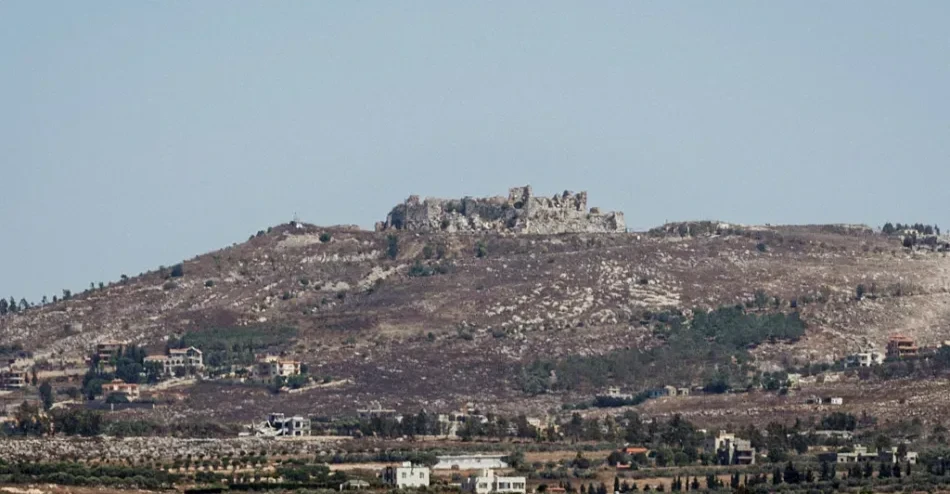
Defense Minister Israel Katz claimed "complete Israeli control" of Ali Al-Taher Hill, a strategically vital location in the Nabatiyeh district. Katz stated that Israeli forces advanced on the roughly 600-meter hill following intelligence reports indicating the presence of Hezbollah command-and-control tunnels in the area. The Defence Minister described Ali Al-Taher Hill as the "last fortified position defending Nabatiyeh," emphasizing its critical role in the defense of the city. Its significant elevation and commanding position offer a direct overlook of Nabatiyeh itself, as well as the broader regions of Iqlim Al-Tuffah and Jabal Al-Rayhan, providing a strategic advantage to forces controlling it. The advance on Ali Al-Taher Hill forms part of Israel's broader southern offensive, a series of military operations aimed at securing its northern border. Katz's declaration of "complete Israeli control" signifies a key development in the ongoing military operations in southern Lebanon, marking a tactical gain in the contested territory.
Southern Lebanon Under Fire
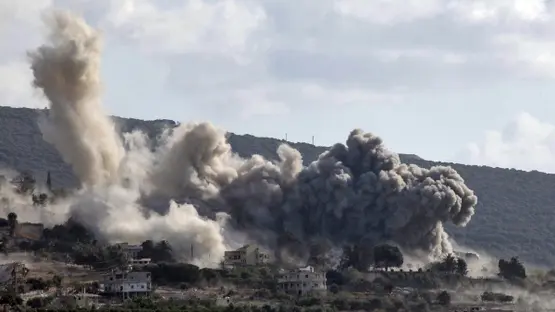
Israeli strikes across southern Lebanon on Sunday resulted in significant casualties, killing four people and wounding 20, according to Lebanon's Health Ministry. The attacks caused extensive damage across the region, impacting civilian infrastructure and residential areas. During the same series of strikes, the Ghandour Hospital in Nabatiyeh Al-Fawqa was destroyed. The destruction of the hospital, a critical medical facility, occurred amidst broader Israeli military operations in southern Lebanon, raising concerns about the humanitarian impact of the ongoing conflict. These strikes highlight the intensity of the military actions taking place in the border area and their immediate consequences for the local population.
Regional Tensions and Warnings
The ongoing military activities in southern Lebanon have drawn international attention and warnings. Iran warned the United States on September 3 that it would respond forcefully to a full Israeli operation against Ali Al-Taher, Reuters reported. This warning shows the broader regional implications of the ongoing military actions in southern Lebanon, suggesting potential for wider escalation. Reuters also reported that more than a dozen Islamic Revolutionary Guard Corps (IRGC) personnel were believed to be present with Hezbollah fighters in the area. This group reportedly included at least two senior officers, indicating a direct Iranian presence alongside Hezbollah in the contested region. The presence of IRGC personnel further complicates the geopolitical landscape, adding another layer of international involvement to the conflict in southern Lebanon. These warnings and reported presences highlight the delicate balance of power and the potential for wider regional conflict stemming from the current military operations.