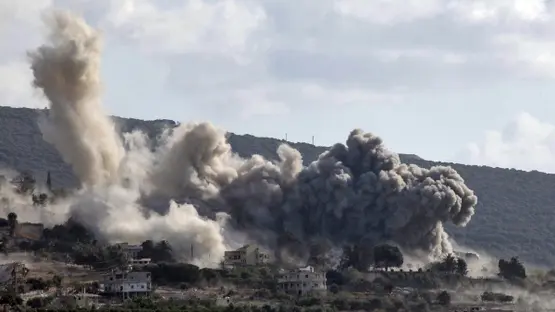
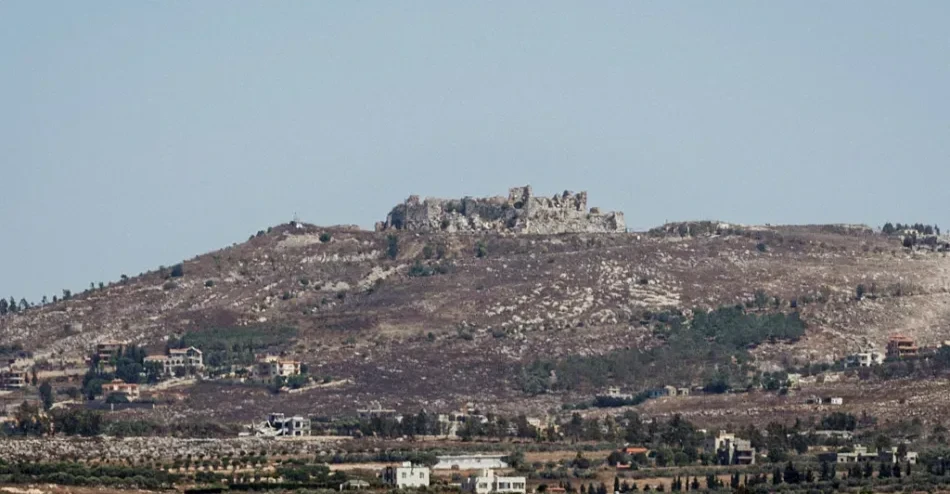
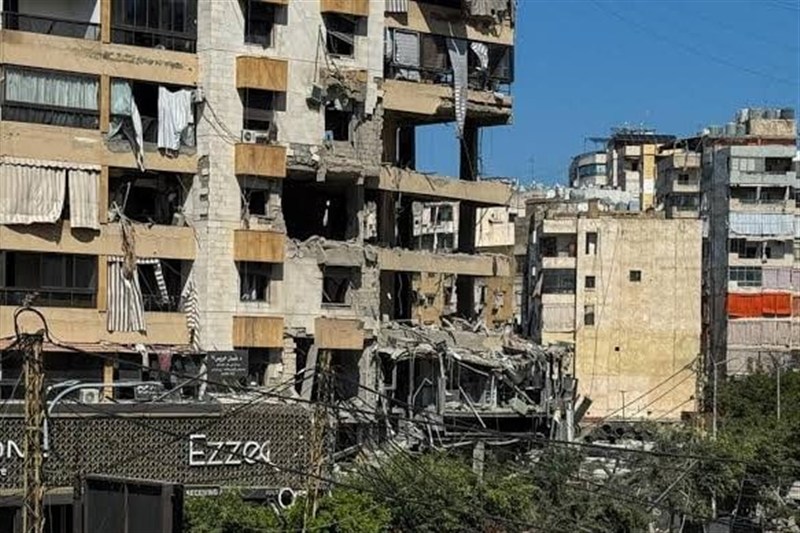
An Israeli strike targeted the village of Arab Salim in southern Lebanon on Tuesday, sending plumes of smoke into the sky and marking a significant event in the ongoing cross-border tensions. The incident, which occurred on September 6, 2026, unfolded in an area that has frequently experienced military activity. Further details regarding the precise nature of the strike or any potential casualties were not immediately available from official sources in the immediate aftermath of the event. This incident marks another escalation in the ongoing cross-border exchanges that have characterized the volatile situation along the Lebanese-Israeli border, drawing immediate attention from regional observers.
Strike Details and Location
Smoke was observed rising prominently in the village of Arab Salim in southern Lebanon following the Israeli strike on Tuesday, September 6, 2026. The substantial plumes of smoke became visible shortly after the attack impacted the area, drawing concern from local residents. Residents in Arab Salim reported hearing multiple explosions prior to the visual confirmation of smoke, indicating the force of the strike. The incident occurred in a region that has historically seen frequent exchanges of fire and military actions across the border, making such events a source of constant apprehension for the local population. Local authorities have not yet released specific information regarding the exact target within Arab Salim or provided an assessment of the extent of any damage caused by the strike. Emergency services were reported to be on alert in the vicinity, preparing for potential casualties or to assist affected residents. While the precise timing of the strike was not immediately specified in initial reports, it was confirmed to have taken place during daylight hours, making the visual evidence particularly stark.
Visual Evidence Captured
The incident in Arab Salim on September 6, 2026, was swiftly documented by on-the-ground observers. Visual confirmation of the aftermath showed a distinct and significant plume of smoke rising from the village in southern Lebanon, providing immediate evidence of the impact. A picture captured by a Reuters witness clearly depicted a substantial column of dark smoke against the sky, precisely indicating the location of the strike within Arab Salim. The photograph, taken with a mobile phone, provided immediate visual evidence of the impact in the area, allowing for rapid dissemination of information about the event. This imagery circulated shortly after initial reports of explosions were heard by residents in the vicinity of Arab Salim, corroborating their accounts. The mobile phone capture offered a direct, on-the-ground perspective of the situation as it unfolded following the Israeli strike, providing key early insights into the aftermath.
Broader Regional Context
The situation in Arab Salim adds to ongoing tensions across the Lebanese-Israeli border, which remains a highly sensitive and frequently volatile area. Southern Lebanon has been a focal point for exchanges between various factions operating within Lebanon and Israeli forces for an extended period, leading to intermittent flare-ups. Such incidents frequently draw international concern regarding regional stability and the potential for wider conflict. The border area remains under constant scrutiny, with both sides maintaining heightened alert levels and military readiness. Observers closely monitor developments for any signs of broader escalation that could destabilize the wider Middle East. This latest event in Arab Salim shows the continued volatility in the region and the persistent risks faced by civilian populations. The lack of immediate detailed information following such strikes often contributes to uncertainty among residents and international bodies, fueling speculation and anxiety. Local populations in Southern Lebanon have frequently experienced the direct impact of cross-border incidents, living under the constant shadow of potential conflict. The wider geopolitical implications of these exchanges are a recurring theme in regional analyses, with calls for restraint often issued. The international community consistently calls for de-escalation and adherence to existing agreements to prevent further unrest and protect civilian lives, emphasizing the need for stability in this critical region.