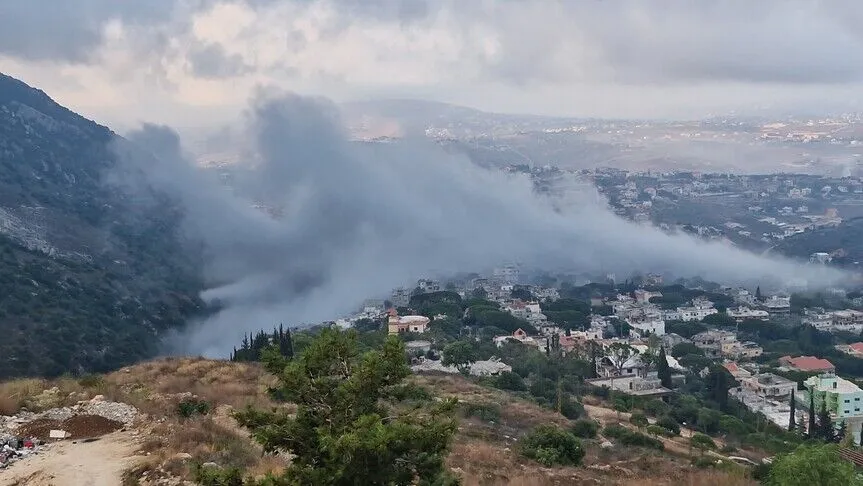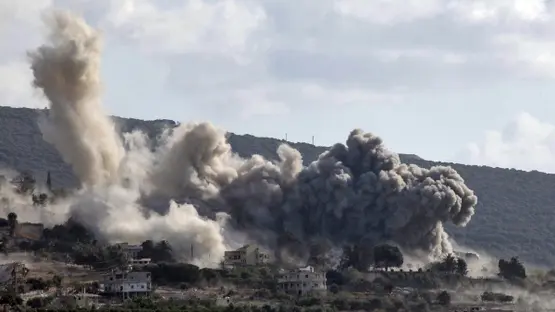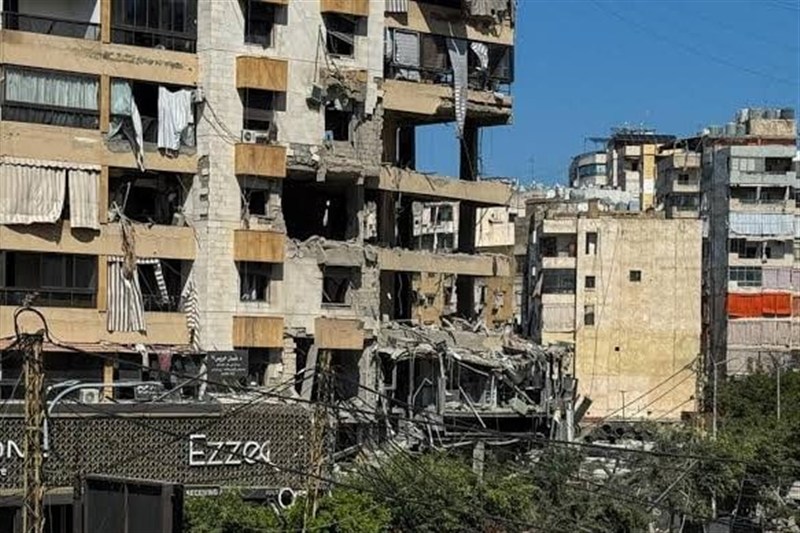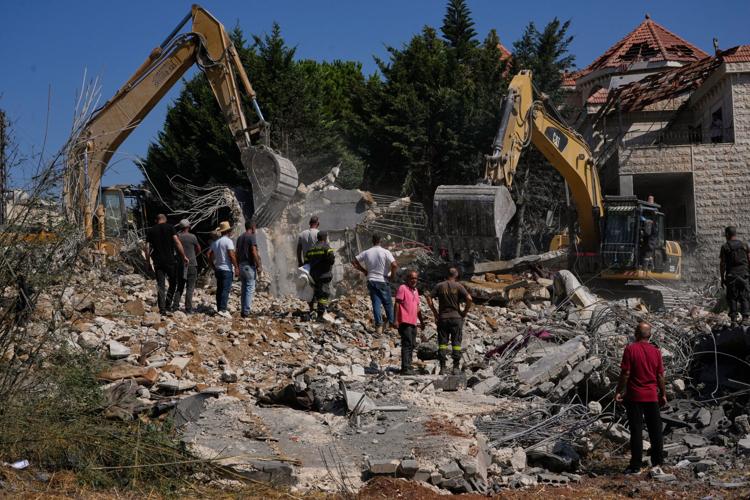
Israeli airstrikes on a southern village in Lebanon have killed at least nine people, including women and a child, according to Lebanon’s Health Ministry. The ministry confirmed the casualties in the village following the strikes, specifying that the strikes killed at least nine people, including women and children. This tragic event shows the escalating tensions in the region.
Deadly Strikes Detailed
One Israeli airstrike directly impacted a building within the southern Lebanese village, resulting in the deaths of eight individuals. Among the fatalities confirmed by officials were a child and two women, noting the civilian toll of the conflict. The same strike wounded 11 other people, including four children and two women, adding to the severity of the incident and placing a significant burden on local medical services. This particular strike was a major contributor to the overall casualty count.
Separately, another strike targeted a car within the village, killing a paramedic affiliated with the Lebanese Islamic Risala Scout Association. This incident further illustrates the dangers faced by humanitarian workers in the conflict zone. Two additional individuals in the vehicle were wounded in that incident, requiring immediate medical attention. These events contribute to the overall casualty count reported by Lebanon’s Health Ministry, painting a grim picture of the situation on the ground. The strikes have drawn widespread concern regarding the protection of civilians in areas affected by military operations.
Regional Tensions Flare
Beyond Lebanon, regional tensions continue to flare across multiple fronts. Iran-backed Houthi rebels claimed early Monday they downed a Saudi armed reconnaissance aircraft in the northern part of Yemen. The Houthis stated the aircraft was shot down in the Jawf province, a region that has seen intense fighting. Over the past 24 hours, a total of three reconnaissance drones belonging to Saudi Arabia were downed, according to reports from Houthi sources, indicating a significant increase in their air defense capabilities or operational scope.
Meanwhile, the Yemeni government armed forces announced on X that they targeted Houthi gatherings in Dahle province. This declaration signals ongoing ground operations and counter-offensives against the Houthi forces. The Yemeni government armed forces further reported launching 13 airstrikes targeting Houthi positions and a missile launch base in Bayda province, indicating continued clashes and a concerted effort to degrade Houthi military infrastructure in the region. These multiple engagements show the persistent instability and widespread conflict affecting the Middle East.
Economic Ramifications
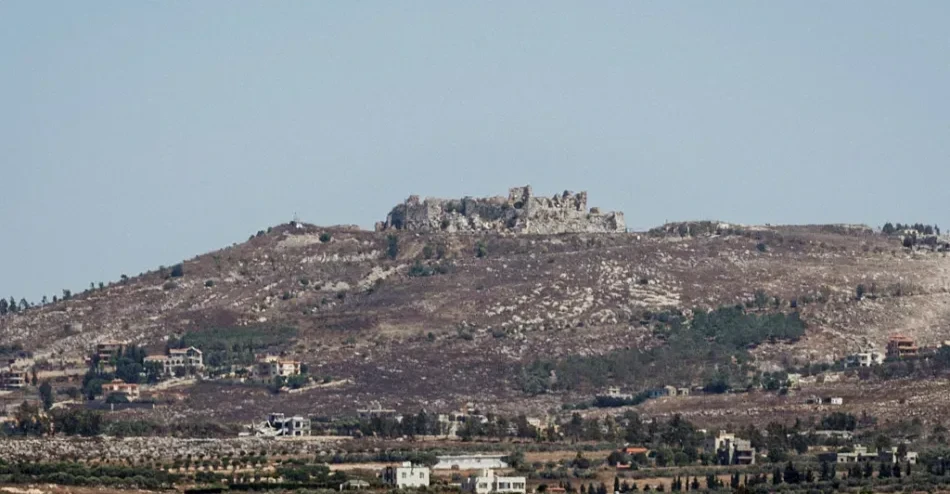
Amidst these military developments, Israel carried out two airstrikes early Monday on the southern Lebanese village of Kfar Rumman. These strikes are part of a broader pattern of military activity that has regional economic ramifications. These concerns were voiced at a forum of world leaders in Abu Dhabi, where discussions focused on the impact of regional instability on global commerce. Anwar Gargash, a diplomatic adviser to the UAE president, stated there is "no single state" that can manage the challenges alone, emphasizing the need for collective action and international cooperation to address the complex geopolitical and economic landscape.
Gargash emphasized the UAE's commitment to protecting its economic interests, asserting, "Our energy exports will not be held hostage, nor will our trade and economic activity." This statement reflects a resolute stance against any attempts to disrupt the flow of vital resources and goods from the region. He further condemned actions that disrupt international commerce, stating, "Using an international waterway as an instrument of coercion is unacceptable." This strong condemnation notes the critical importance of secure maritime routes for global trade and the potential for regional conflicts to have broad economic consequences. The ongoing instability poses significant risks to global supply chains and energy markets, making the protection of economic interests a critical concern for nations in the region and beyond.