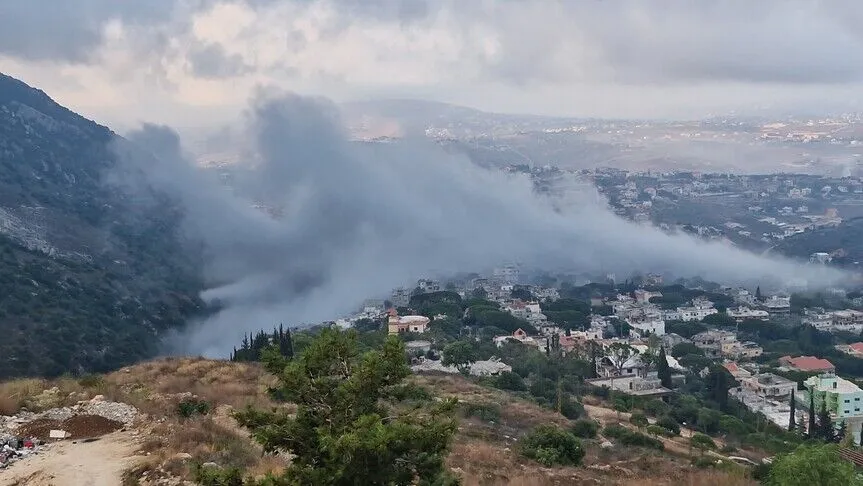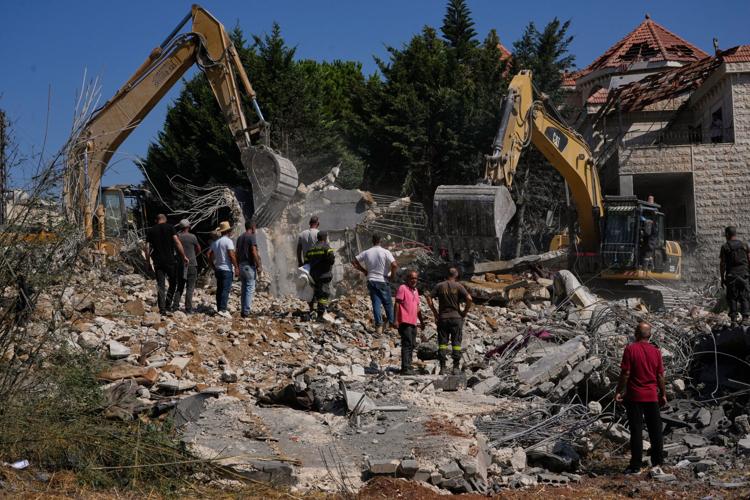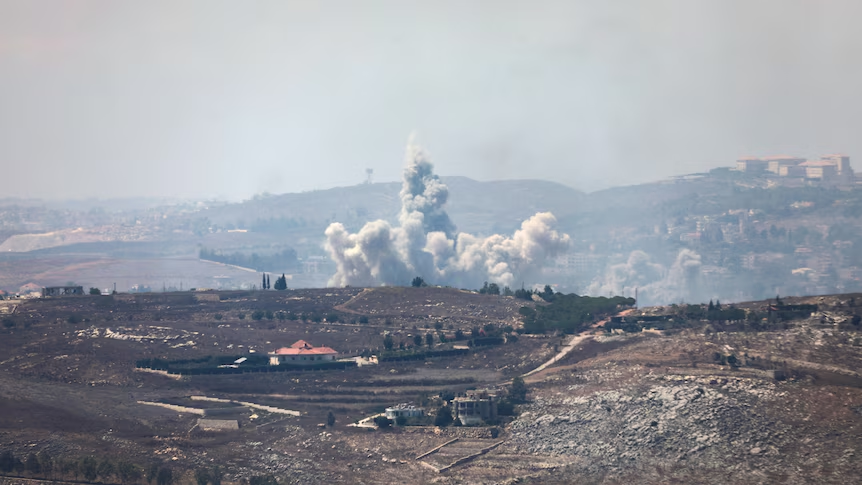
Israeli forces captured the strategically valuable Ali al-Taher ridge in south Lebanon on Sunday, marking a significant development in the ongoing regional tensions. This stunning capture of the strategically valuable Ali al-Taher ridge by Israeli forces on Sunday shows the dynamic nature of the conflict in the region. Concurrently, the Israel Defense Forces (IDF) stated it has degraded Hezbollah's rocket and missile arsenal. The IDF claims to have eliminated or neutralized most of Hezbollah's sophisticated, accurate, and long-range missiles through its operations. These operations are part of a broader effort by the IDF to diminish the capabilities of the Iranian-backed group.
Strategic Gains and Arsenal Degradation
Israeli forces claim the recently captured Ali al-Taher ridge in south Lebanon served as a major stronghold for both Hezbollah and Iran. This assertion notes the strategic importance of the location, which was reportedly utilized by both entities for their operations. Following the capture, the Israel Defense Forces (IDF) now maintain a presence in South Lebanon along the borderline, a measure intended to prevent Hezbollah from re-establishing control in certain areas. This strategic positioning aims to solidify Israeli gains and disrupt any attempts by Hezbollah to regroup or launch further actions from these territories. The IDF's presence in South Lebanon along the borderline is specifically designed to prevent Hezbollah from returning to certain areas, thereby creating a buffer zone.
The Alma Research and Education Center acknowledged the strategic importance of the ridge, stating, "The battle for the Ali al-Taher Ridge is over – the struggle with Hezbollah is not." This sentiment was echoed by Alma on X, reinforcing the view that while a specific military objective was achieved, the broader conflict continues. The IDF's sustained presence aims to solidify its strategic gains and further degrade Hezbollah's operational capabilities in the region. The degradation of Hezbollah's rocket and missile arsenal is a key component of this strategy, with the IDF reporting success in eliminating or neutralizing a significant portion of its sophisticated, accurate, and long-range missiles. This reduction in Hezbollah's offensive capabilities is a critical outcome of the ongoing military actions.
Evolving Threat Landscape
The Alma Research and Education Center released an analysis in late August titled 'Hezbollah – Situation Assessment: From a Large-Scale Terrorist Army to a Persistent Dispersed Threat.' This assessment indicates a shift in the nature of the organization's operations. According to the Alma Research and Education Center, Hezbollah is currently described as much more of a guerrilla organization than a terrorist army. This characterization suggests an adaptation in its operational tactics and structure, moving away from conventional military formations towards more decentralized and agile methods. The analysis, released in late August, provides a full overview of Hezbollah's evolving operational profile.
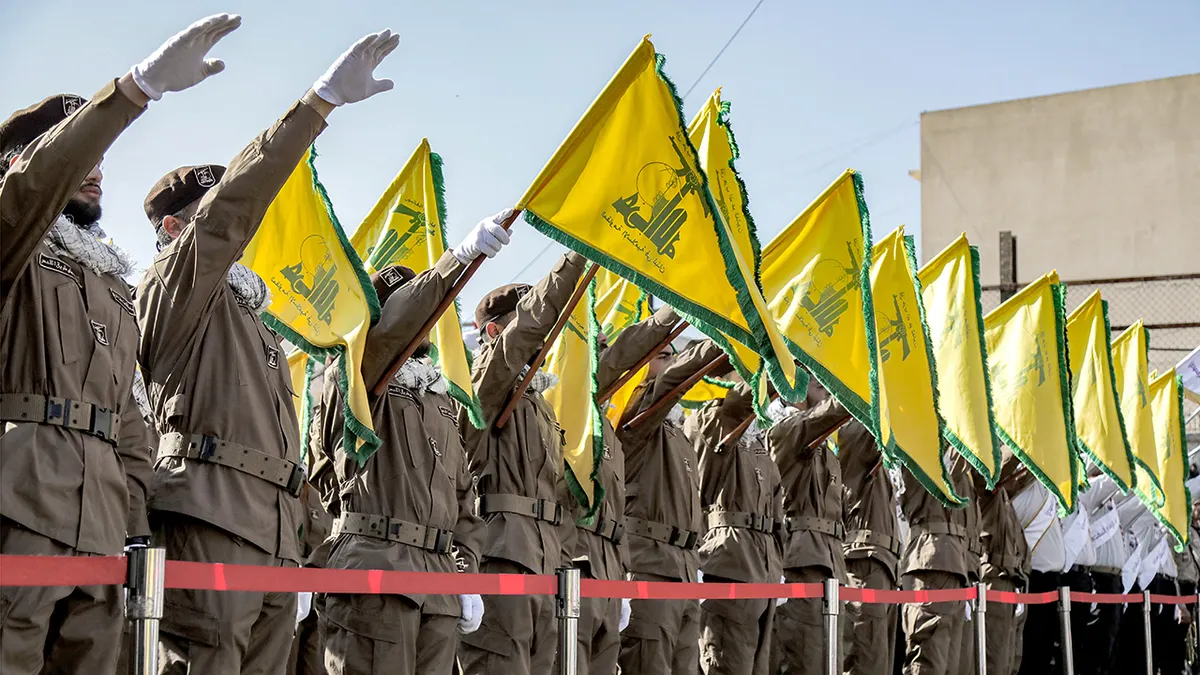
Hezbollah's base of support is the Shiite community in Lebanon. This demographic connection provides a foundation for the group's presence and influence within the country, allowing it to draw recruits and maintain a social infrastructure. The Alma Research and Education Center's analysis further elaborates on the evolving threat, noting a transformation from a more conventional military structure to a decentralized, persistent presence. The change in description from a "large-scale terrorist army" to a "persistent dispersed threat" notes an ongoing adaptation by Hezbollah in response to regional dynamics and operational pressures, including those exerted by Israeli military actions. This shift implies that while direct confrontations may decrease, the group's ability to pose a threat through asymmetric warfare tactics remains.
Persistent Iranian Backing
Iran continues to provide support to Hezbollah through arms smuggling and financial aid, according to reports. This ongoing assistance helps sustain the group's capabilities despite recent operational pressures and the degradation of its arsenal. Hezbollah's current arsenal is estimated to include between 10,000 to 15,000 rockets. This figure represents a significant reduction compared to previous assessments of its missile and rocket holdings, which were considerably higher. The continued flow of resources from Iran is key for Hezbollah to replenish its armaments and maintain its operational capacity.
The ideological foundation for the relationship between Iran and Hezbollah is rooted in radical Shiite Islamism. This shared ideology acts as a unifying factor between the Iranian regime and Hezbollah, underpinning their strategic alliance and continued cooperation in the region. This ideological alignment extends beyond mere political expediency, forming a deep-seated bond that influences their strategic objectives and coordinated actions. The support from Iran, encompassing both material aid and ideological solidarity, is a critical factor in Hezbollah's resilience and its ability to continue operating as a significant actor in the Middle East, even in the face of sustained military pressure and strategic setbacks.