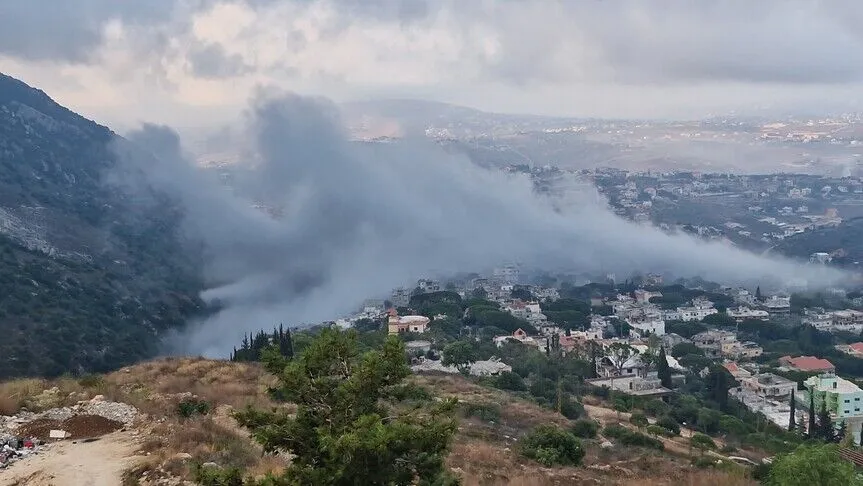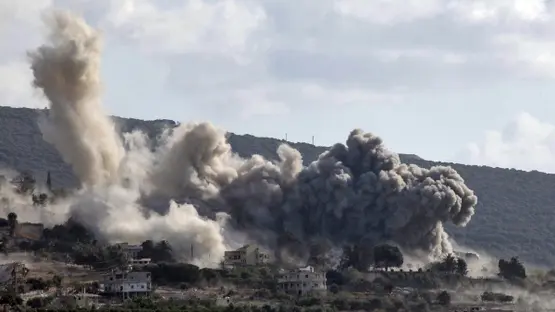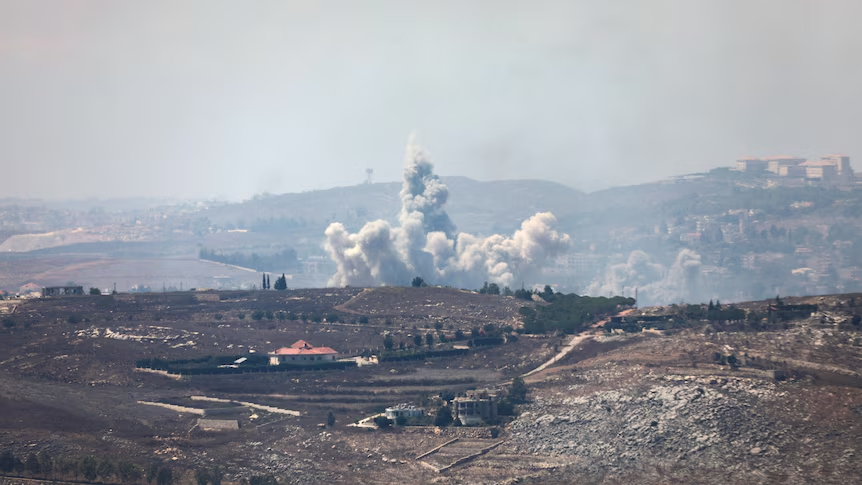
Israel carried out fresh airstrikes in Lebanon, resulting in the deaths of 12 people, according to reports from the region. The strikes targeted a southern Lebanese town, intensifying fears of a broader conflict. Lebanon's health ministry confirmed that at least 12 individuals, including two children, were killed during these Israeli operations. The latest escalation has drawn significant international concern, with a United Nations expert warning about potential "atrocity crimes" in Gaza.
Deadly Strikes Detail
The Israeli military stated it struck individuals observed transferring weapons in the area of Kfar Rumman, a town in southern Lebanon. This claim was made as part of its operations in the region, which the military asserted were aimed at preventing hostile activities. Eight-year-old Mustafa Farhat tragically lost his grandparents and his mother in one such strike on a residential building, noting the devastating human cost of the conflict and the profound impact on families.
Lebanon's health ministry reported that 11 people, including two children and four women, were killed in an attack on a residential building on Monday. This incident was part of a relentless series of strikes that have impacted civilian areas, raising serious questions about the protection of non-combatants. On Sunday, at least 11 people were killed in Israeli strikes on three towns near the Ali al-Taher ridge, according to the same ministry, further illustrating the widespread nature of the violence. These strikes have not been isolated incidents; four other individuals, including a woman, were killed on Friday in strikes that occurred without prior evacuation warnings, adding to the civilian toll and raising questions about the proportionality of the military actions and adherence to international humanitarian law. These unannounced attacks have caused widespread fear and prevented residents from seeking safety.
A separate Israeli drone strike on a civilian vehicle in the town killed one medic and wounded two others, further illustrating the dangers faced by non-combatants and essential service providers who are trying to assist those affected by the ongoing hostilities. The continuous targeting of residential areas and civilian infrastructure has exacerbated the humanitarian situation in southern Lebanon, leading to displacement and a severe disruption of daily life for thousands of residents.
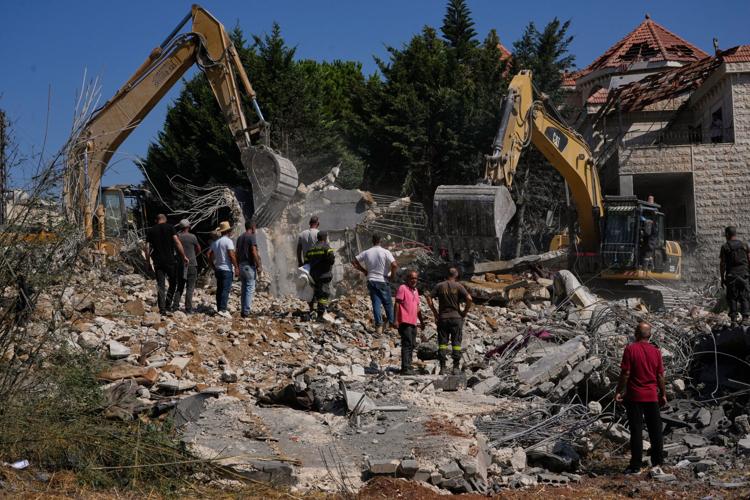
Francesca Albanese, a United Nations expert, issued a stark warning that extensive rubble removal in parts of Gaza under Israeli control risked erasing evidence of "atrocity crimes." Her concerns show the broader implications of military actions on accountability and international law, emphasizing the importance of preserving potential crime scenes for future investigations.
Broader Conflict Context
The Israeli military reported that Hezbollah had launched two explosive drones overnight towards Israeli troops operating near the Ali al-Taher ridge. This incident occurred amid ongoing hostilities, which have seen a significant escalation in recent months, marking a dangerous new phase in the long-standing conflict. The exchange of fire between Israeli forces and Hezbollah has become a daily occurrence, contributing to the volatile security situation along the border and increasing the risk of miscalculation.
Israeli strikes on Lebanon have resulted in the deaths of more than 4,300 people since Hezbollah initiated rocket launches at Israel on March 2. This grim statistic reflects the severe impact of the conflict on the Lebanese population, with a significant number of these casualties being civilians. The fatalities include more than 250 children, nearly 400 women, and over 130 medics, painting a picture of widespread civilian casualties and the targeting of essential workers who are key for providing aid and healthcare in conflict zones. These figures, provided by Lebanon's health ministry, show the humanitarian crisis unfolding in the region and highlight the immense suffering endured by communities caught in the crossfire.
Francesca Albanese, the United Nations special rapporteur on the Palestinian territories, issued a strong warning regarding the implications of Israel's "ongoing removal, crushing and relocation of rubble in Gaza." Albanese stated that "Gaza's rubble contains human remains and physical evidence relevant to the investigation of alleged international crimes, including genocide." Her statement notes the critical importance of preserving potential evidence for future accountability and justice. She criticized what she termed the "deliberate and widespread removal, crushing and transport of rubble," emphasizing the systematic nature of these actions which could impede future investigations. Albanese further elaborated on the significance of the debris, asserting that "It is part of a crime scene, a graveyard, and the material record of what happened during a brutal and senseless bombing campaign that lasted two years." Her remarks call for immediate attention to the preservation of evidence and the protection of potential crime scenes, urging international bodies to intervene.
Israeli Response and Review
The Israeli military stated it was reviewing reports that "uninvolved individuals" were harmed during its operations in Lebanon. This acknowledgment comes amidst growing international scrutiny over civilian casualties and calls for greater transparency. A spokesperson for the Israeli military indicated that steps had been taken to mitigate harm to "uninvolved individuals" in the targeted areas, suggesting an awareness of the potential for collateral damage and a stated commitment to minimizing it. The military's internal review process is expected to examine the circumstances surrounding these incidents thoroughly, aiming to determine whether operational protocols were followed and if any adjustments are needed.
Lebanese Reaction
Fears of a renewed Israeli military campaign are mounting in Lebanon following days of escalating strikes, despite a June ceasefire which was intended to de-escalate tensions and bring stability to the region. The recent surge in violence has led many to believe that a larger conflict is imminent, with residents expressing deep concern for their safety and livelihoods. Two children are among those killed in the latest strikes on Lebanon, according to reports, intensifying public outrage and grief across the nation.
In a separate incident that further fueled alarm, an Israeli drone strike on a civilian vehicle in the town killed one medic and wounded two others, demonstrating the danger faced by healthcare professionals operating in the conflict zone and the risks they undertake to save lives. Additionally, Israeli strikes on Sunday destroyed the Ghandour hospital in the town of Nabatieh al-Fawqa, exacerbating concerns among the Lebanese population about the targeting of vital infrastructure. The destruction of medical facilities severely impacts access to healthcare for thousands of residents already grappling with the consequences of ongoing hostilities, creating a dire humanitarian situation. These incidents contribute to growing apprehension about the potential for further military action in the region, with many fearing a return to full-scale conflict. The continuous attacks have displaced thousands and severely disrupted daily life in southern Lebanon, leaving communities in a state of constant fear and uncertainty about their future.