Lebanon faces a profound crisis amidst the broader regional tensions between the United States, Israel, and Iran. The country's stability has been significantly impacted by these dynamics, according to reports. Lebanon has been thrown into this crisis in the shadow of the ongoing US/Israel-Iran conflict, a situation that has deeply destabilized the nation. The Israeli Defense Forces (IDF) have occupied 6 percent of Lebanese territory, further exacerbating the country's precarious situation and adding to the challenges faced by its citizens.
The Invasion's Immediate Toll
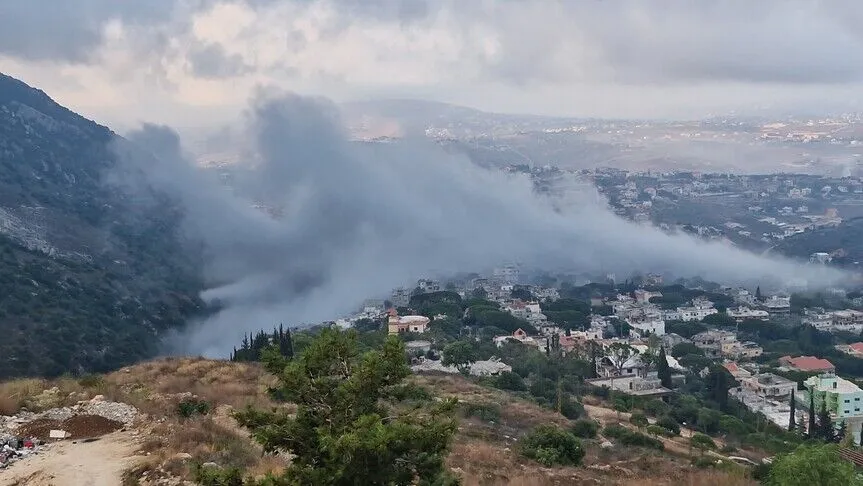
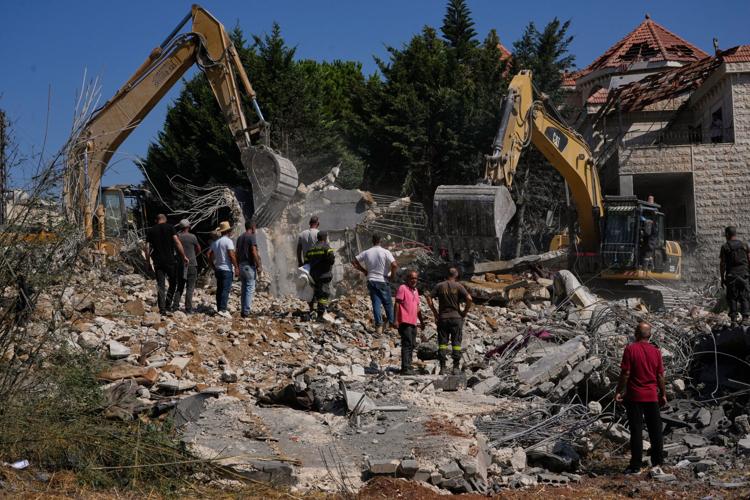
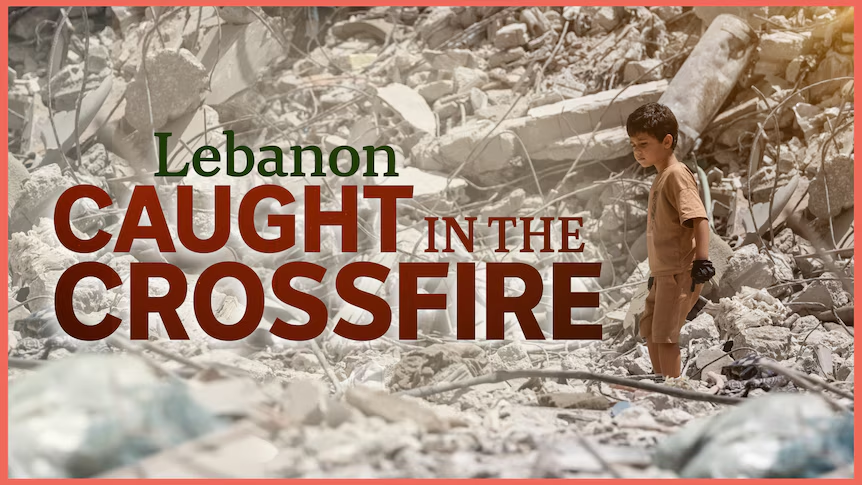
The Israeli Defense Forces (IDF) initiated a ground invasion in southern Lebanon following a series of rocket attacks launched by Hezbollah. This military action has resulted in widespread destruction within the affected areas, profoundly altering the landscape and lives of residents. The ground invasion, a direct response to the rocket attacks, has escalated the conflict dramatically. Reports indicate that the IDF operations have destroyed numerous homes and buildings, impacting civilian infrastructure across the region. This destruction includes essential community structures and private dwellings, leaving many without shelter. The extent of the damage has raised concerns about the humanitarian consequences for residents in southern Lebanon, who are now grappling with displacement and loss. The military operations have not only caused physical devastation but have also disrupted daily life, impacting access to basic services and creating an atmosphere of fear and uncertainty.
Hezbollah's Deep Roots
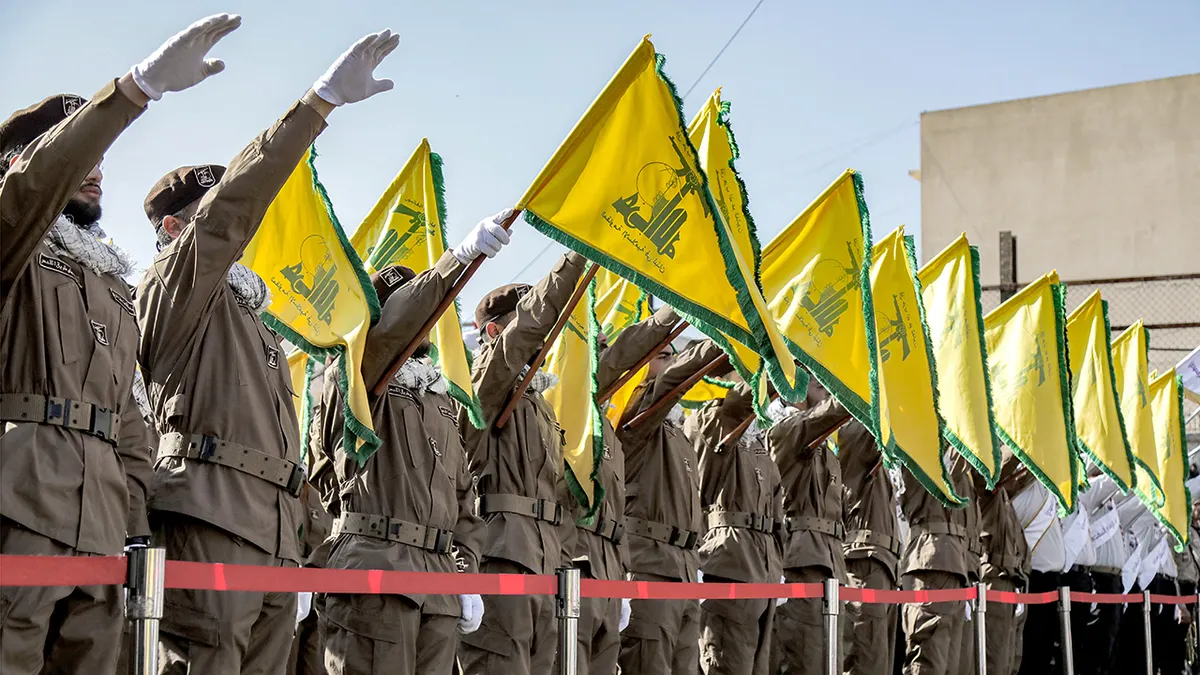
Hezbollah is characterized as Iran's Lebanon-based proxy militia, a description that shows its strategic importance to regional powers. The report examines how Hezbollah has become deeply enmeshed in Lebanese life, extending its influence far beyond its military capabilities. The group has become deeply embedded in various aspects of Lebanese society, extending its influence beyond military operations. This integration into Lebanese life encompasses political, social, and economic spheres, as detailed in the report. Hezbollah operates a wide network of social services, including schools, hospitals, and welfare programs, which provide support to its constituents and other communities. These services often fill gaps left by the Lebanese state, further cementing the group's presence and legitimacy among certain populations. Its political wing holds seats in the Lebanese parliament and participates in government, further cementing its role in the country's governance and decision-making processes. This full involvement has allowed Hezbollah to establish significant roots within the nation's fabric, making it a formidable and complex actor in Lebanon's internal and external affairs. Its extensive presence means that any conflict involving Hezbollah inevitably has broad repercussions for the entire country.
On the Ground in Southern Lebanon
Tens of thousands of Lebanese have been displaced from their homes in southern Lebanon as a result of the ongoing conflict. This mass displacement represents a significant humanitarian crisis, forcing families to abandon their livelihoods and seek safety elsewhere. Reporter Stephanie March traveled to the region to observe the damage firsthand, providing key on-the-ground reporting. March’s visit provided a direct view of the destruction impacting communities near the border, revealing the grim reality faced by those caught in the hostilities. Her observations documented the widespread devastation, from destroyed homes to damaged infrastructure, painting a vivid picture of the conflict's impact. The displacement crisis continues to affect numerous families and individuals, many of whom have sought refuge elsewhere in the country, often in already strained urban centers or with relatives. The firsthand accounts and observations from reporters like March help to document the humanitarian consequences of the clashes, bringing the plight of the Lebanese people to international attention. These reports are vital for understanding the true cost of the conflict on civilian populations.
A Population Bearing the Brunt
The report examines how the people of Lebanon are paying the price for a war they neither started nor can end. This assessment notes the profound impact of regional conflicts on the daily lives of Lebanese citizens, who face significant consequences despite not initiating the hostilities. The ongoing instability, coupled with economic challenges and the destruction of infrastructure, places an immense burden on the population. The broader geopolitical struggle between the United States, Israel, and Iran directly manifests in Lebanon, turning its territory into a battleground and its people into unwitting victims. The report shows the urgent need for a resolution that prioritizes the well-being and stability of the Lebanese nation, allowing its citizens to rebuild their lives free from the shadow of external conflicts.