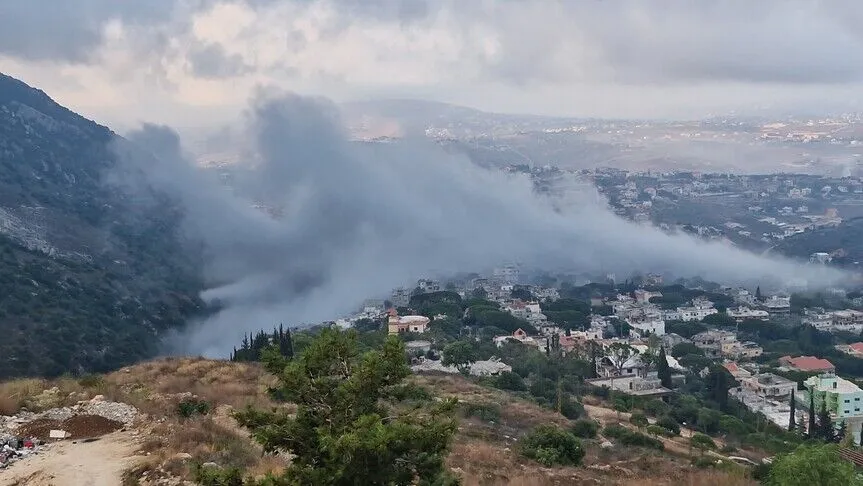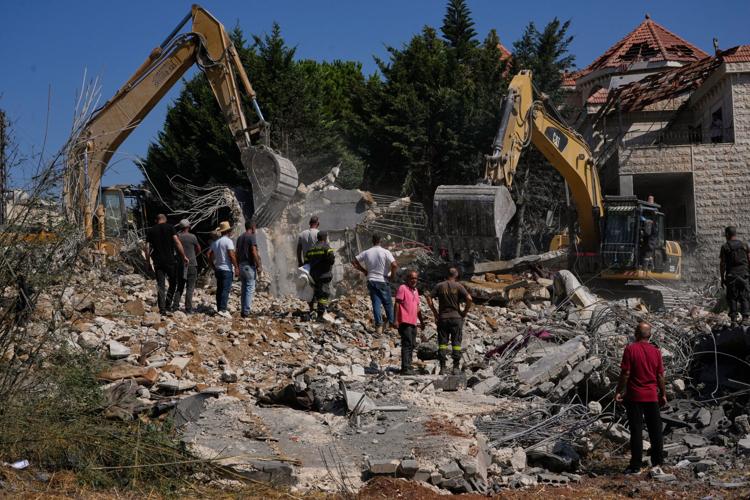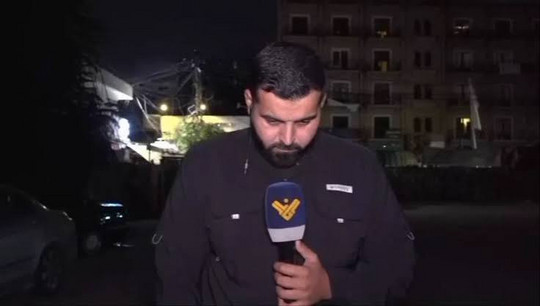
Two Al-Manar TV journalists sustained injuries from shrapnel on September 6 during an Israeli airstrike in Nabatieh, southern Lebanon. The incident occurred as the journalists were reporting from the area, noting the extreme dangers faced by media professionals in conflict zones. They were later transported to Sheikh Ragheb Harb Hospital for medical treatment, where their conditions were assessed. The journalists were identified as Ali Shbib, a reporter for Al-Manar TV, and Mohammad Barjaoui, a cameraman for the same network. Shbib suffered injuries to his head and back, while Barjaoui sustained injuries to his leg. This event marks another instance of journalists being directly affected by military actions in the region, drawing strong condemnation from international media organizations.
Journalists Injured in Airstrike
Al-Manar reporter Ali Shbib and cameraman Mohammad Barjaoui sustained injuries from an Israeli airstrike on September 6 in Nabatieh. The incident occurred while they were actively reporting in the area, fulfilling their duties to document events unfolding on the ground. Following the strike, Ali Shbib later underwent surgery to remove shrapnel from his shoulder, indicating the severity of his injuries. Both journalists were immediately transported to Sheikh Ragheb Harb Hospital for medical treatment, where they received urgent care for their wounds. This attack shows the perilous environment in which journalists operate, particularly those covering areas subject to military operations.
Broader Pattern of Attacks
This recent incident involving the Al-Manar TV crew is part of a broader, concerning pattern of attacks targeting media professionals in southern Lebanon. On June 15, Lebanese journalist Hadi Hoteit was injured after being directly hit by an an Israeli drone. The incident occurred while Hoteit was reporting in the town of Kafr Tebnit, which is situated in the Nabatieh district of southern Lebanon. This direct strike on a journalist further illustrates the escalating risks. Prior to these events, earlier this year, several journalists working in Tyre, also located in southern Lebanon, reported receiving threats and evacuation warnings directly from the Israeli military. These warnings add another layer of intimidation and danger to their work. These incidents follow earlier reports from Tyre, also in southern Lebanon, where several journalists received threats and evacuation warnings from the Israeli military this year. Tragically, four journalists and media workers have been killed in Lebanon since the United States and Israel launched coordinated attacks on Iran on February 28, 2026, which triggered a war, further emphasizing the grave risks faced by the press.
Calls for Accountability
The International Federation of Journalists (IFJ), which represents over 600,000 journalists across 146 countries, has vociferously called for accountability regarding attacks on media professionals. The IFJ, established in 1926, is the world's largest organization of journalists and has a long-standing commitment to defending press freedom and the rights of journalists. The Union of Journalists in Lebanon (UJL) also condemned the Israeli army's use of laser beams against journalists and cameramen in the town of Chaqra. This condemnation by the UJL notes widespread concerns over the safety and security of media personnel operating in the region, particularly those documenting events near the volatile border areas. Both organizations stress the critical importance of protecting journalists, who play an essential role in informing the public, especially during times of conflict.
International Federation's Stance
The International Federation of Journalists (IFJ), established in 1926, represents more than 600,000 journalists in 146 countries, making it a leading voice for media professionals globally. The organization has consistently called for accountability regarding attacks on media professionals, emphasizing that such actions are unacceptable and often constitute war crimes. Their stance shows the fundamental need to protect journalists operating in conflict zones, ensuring they can carry out their duties without fear of violence or intimidation. The IFJ advocates for thorough investigations into all incidents targeting journalists and demands that perpetrators be held responsible under international law. This unwavering commitment reflects the global media community's determination to safeguard press freedom and the lives of those who uphold it.