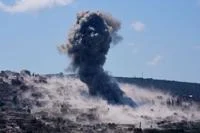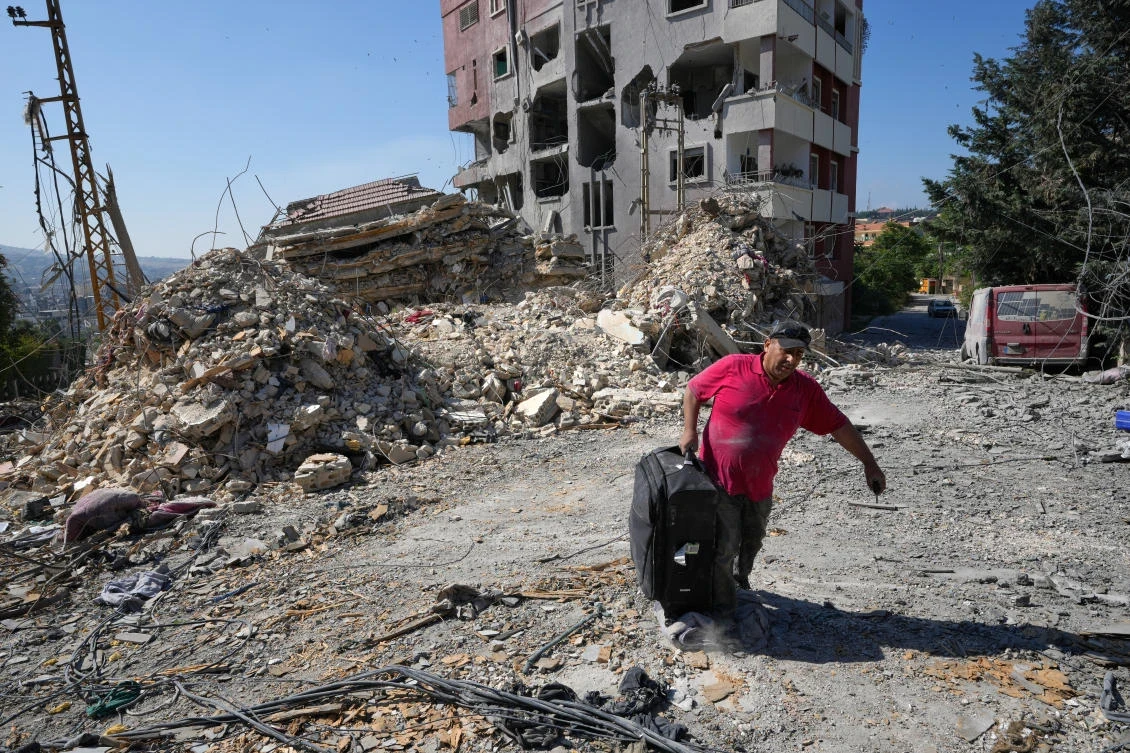
Israeli forces reportedly used over 1,100 tonnes of explosives to demolish what they described as Hezbollah tunnels located beneath Lebanon’s Ali al-Taher ridge. The operation, which involved a substantial amount of ordnance, targeted the alleged underground infrastructure in southern Lebanon. This massive quantity of explosives shows the scale and intensity of the military action undertaken by Israeli forces. Israeli military officials stated that the tunnels were part of Hezbollah's network in the border region, asserting that their destruction was a critical security measure. The precise location of the tunnels, beneath the Ali al-Taher ridge, was identified as a strategic point for Hezbollah's alleged activities.
Details of Demolition Operation
The demolition operation involved detonations that were registered as a significant seismic event. Israeli military sources indicated that the blasts generated tremors equivalent to a magnitude-4.1 earthquake. These seismic readings show the sheer scale of the explosives used to target the alleged Hezbollah tunnel network beneath Lebanon's Ali al-Taher ridge. The magnitude-4.1 tremor was recorded by seismic monitoring stations in the region, confirming the intensity of the explosions and the immense force unleashed. The use of such substantial explosive power, specifically over 1,100 tonnes, was part of the Israeli forces' strategy to ensure the complete and irreversible destruction of the underground infrastructure. This extensive use of explosives reflects the determination to neutralize the tunnels, which Israeli officials described as a key component of Hezbollah's strategic capabilities in the border area of southern Lebanon. The recorded seismic activity provided objective data on the unprecedented force deployed during the demolition, noting the magnitude of the military engineering effort involved.
Context of the Blasts
Al Jazeera explained the massive Israeli blasts that occurred on a hill in southern Lebanon. The media outlet provided context regarding the detonations, which Israeli forces attributed to the demolition of Hezbollah tunnels. The blasts generated significant seismic activity, with Israeli military sources reporting tremors equivalent to a magnitude-4.1 earthquake. This seismic event, a magnitude-4.1 tremor, was recorded by regional monitoring stations, showing the scale of explosives deployed by Israeli forces. The operation specifically targeted alleged underground infrastructure beneath Lebanon's Ali al-Taher ridge, an area strategically located in southern Lebanon. Israeli officials stated the tunnels were part of Hezbollah's network in the border region, emphasizing the perceived threat they posed. The use of over 1,100 tonnes of explosives was cited by Israeli forces as necessary to ensure the complete destruction of the alleged tunnel system, indicating a deliberate and full approach to eliminate the perceived threat. This level of explosive power was deemed essential to collapse and render unusable any subterranean passages.
Impact and Tremor
The intense demolition operation on Lebanon's Ali al-Taher ridge generated significant physical effects across the region. Israeli military sources reported that the blasts produced tremors equivalent to a magnitude-4.1 earthquake. These seismic events were recorded by monitoring stations in the vicinity, confirming the substantial force of the explosions and providing quantifiable data on the impact. The use of over 1,100 tonnes of explosives by Israeli forces aimed to ensure the complete destruction of the alleged Hezbollah tunnel network in southern Lebanon, leaving no part of the infrastructure intact. The recorded seismic activity, specifically the magnitude-4.1 tremor, provided objective data on the unprecedented scale of the power deployed during the operation, illustrating the immense energy released during the demolition. The tremors were felt across a wide area, testament to the sheer volume of explosives used in the operation.