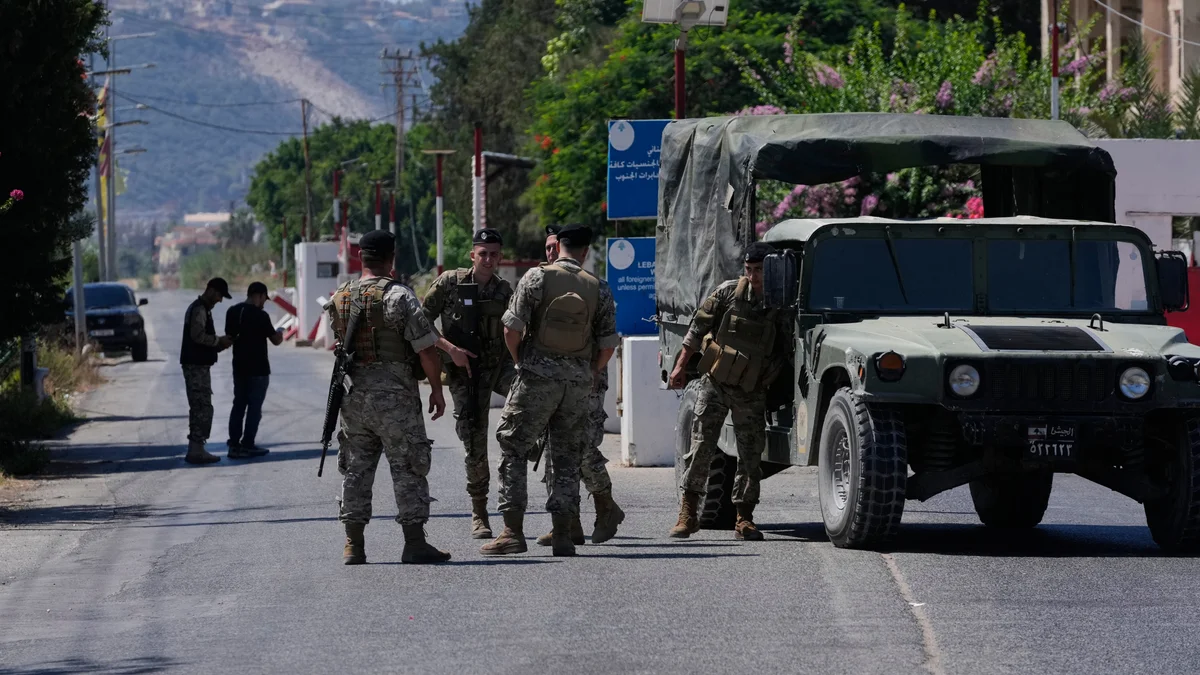
Lebanon's army arrested three individuals on Friday in the eastern Bekaa region, security sources confirmed. The arrests occurred as the detainees were found using drugs, according to officials. This operation shows the ongoing commitment by Lebanese authorities to address illicit activities and maintain law and order within the country's eastern territories. The Bekaa region, known for its diverse landscape and proximity to the Syrian border, has often been a focal point for security operations targeting various forms of contraband and illegal practices.
Key Detainees Identified
Among the individuals detained was Suleiman Hilal al-Assad, identified as the son of Syrian President Bashar al-Assad’s cousin. His apprehension marks a notable development given his family ties to the Syrian leadership. Lebanese security sources confirmed his arrest as part of the operation in the Bekaa region, noting the high-profile nature of the individuals involved. Another prominent detainee was Ali, the son of Lebanese drug lord Nouh Zaiter. His apprehension marks a significant development in efforts to address illicit activities in the area, particularly concerning drug trafficking networks. The presence of such figures among the arrested individuals signals a broad scope to the Lebanese army's recent security sweep. Following their arrest, the three detainees were transferred to Lebanon’s defence ministry. They are currently being held for questioning as authorities continue their investigation into the circumstances surrounding their detention and drug use, as well as any potential connections to larger criminal enterprises.
Broader Regional Context
Syria and Lebanon have been working to improve their bilateral relations since Bashar al-Assad's removal from power in late 2024. This effort to establish a new chapter in their ties follows a period of complex political dynamics and strained relations between the two neighboring states. The transition in Syria has prompted a re-evaluation of regional alliances and security cooperation. Earlier this month, Lebanese authorities apprehended a former Syrian intelligence officer along with several accomplices. These individuals were allegedly involved in plotting attacks targeting Syria's new government, according to Lebanese officials, indicating the persistent challenges to regional stability. Beirut last month extradited a former general from the Assad era to Damascus. The general faces accusations of various crimes, including murder and torture, in connection with his past role within the previous Syrian regime. These recent actions show the evolving nature of security cooperation and political transitions in the region, with Lebanon playing an active role in addressing cross-border security concerns and supporting the new Syrian administration.
Background on Figures
The Syrian detainee, Suleiman Hilal al-Assad, is a civilian, according to a security source. The source clarified that "the Syrian detainee is a civilian," refuting any suggestions that he held a military rank or was a former officer. This detail clarifies the nature of his involvement, distinguishing him from individuals with past military affiliations and focusing the investigation on his alleged drug use. His civilian status does not, however, diminish the significance of his family connection to the former Syrian ruling family.
Nouh Zaiter, whose son Ali was also arrested, is a well-known Lebanese drug lord. Zaiter himself was captured by the Lebanese army last year in a significant operation aimed at disrupting drug trafficking networks in the region. His arrest showed the authorities' commitment to tackling organized crime and dismantling illicit trade routes that often traverse the Bekaa Valley. Zaiter has been a prominent figure in the illicit drug trade, operating primarily out of the Bekaa region and frequently clashing with security forces. The arrest of his son, Ali, suggests a continued focus by Lebanese authorities on dismantling the Zaiter network and other prominent criminal organizations operating within the country. This latest operation reaffirms the Lebanese army's resolve in combating drug-related offenses and maintaining security in critical border areas.