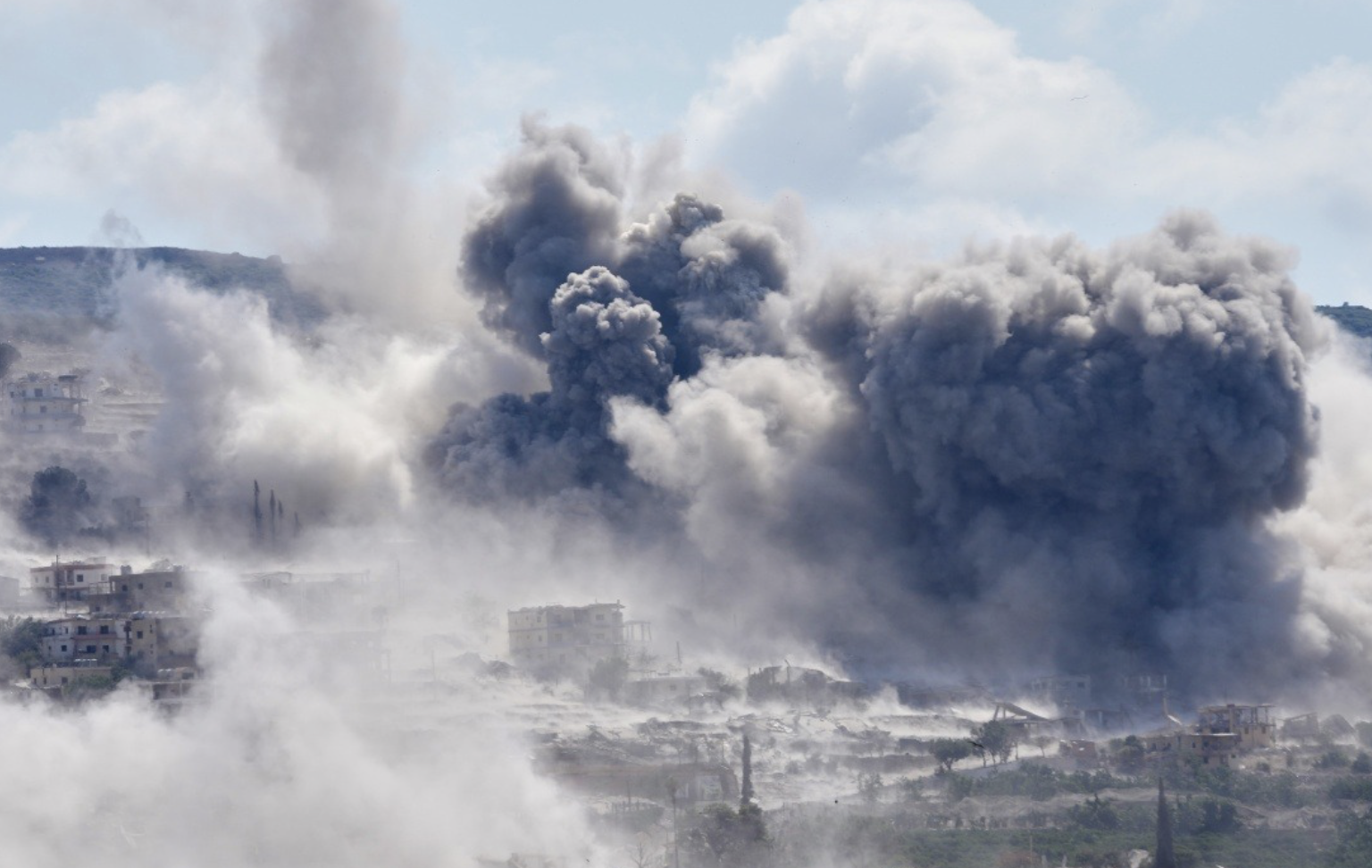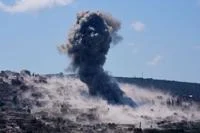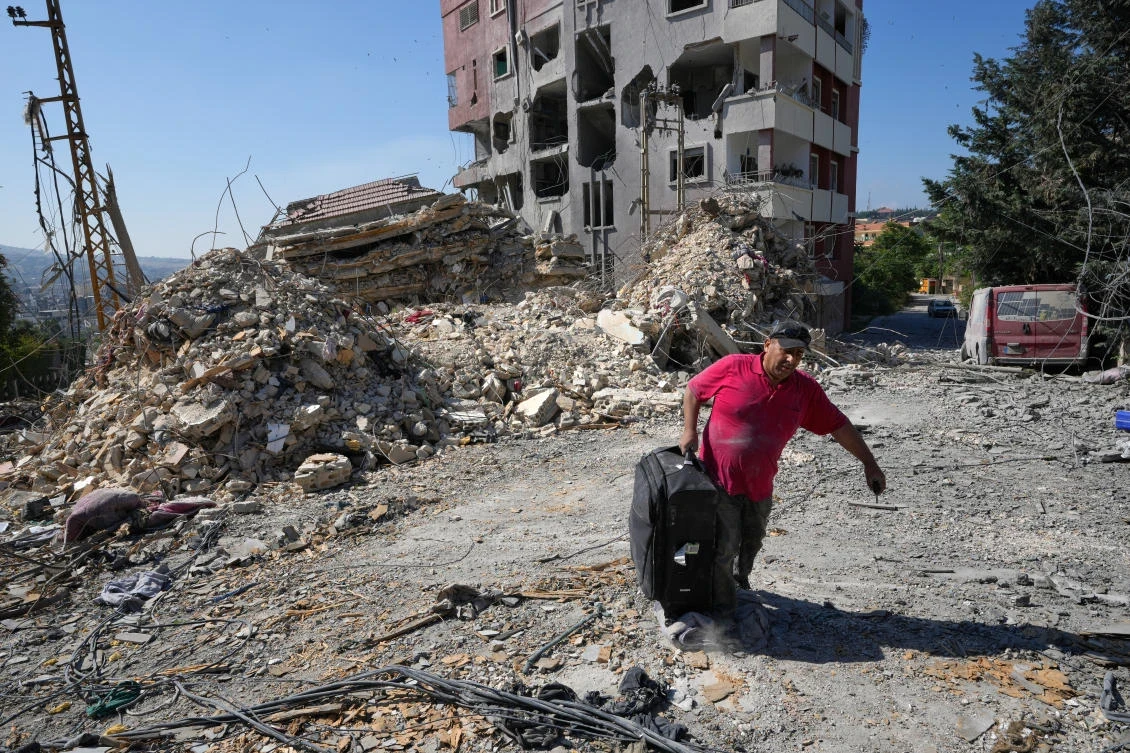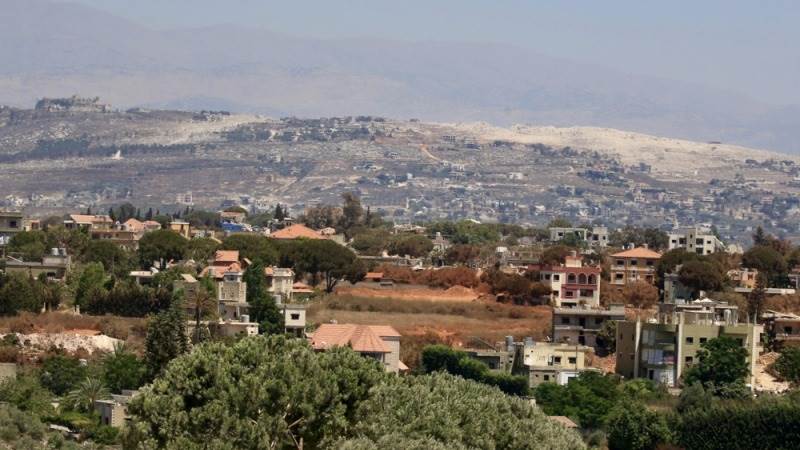
Israeli forces conducted shelling attacks in southern Lebanon on Saturday, targeting multiple locations including the Wadi al-Salouqi area within the Bint Jbeil district. These strikes occurred amidst persistent cross-border tensions that have characterized the region. The reported bombardments represent the latest in a series of such incidents along the border, contributing to an atmosphere of ongoing volatility.
Areas Targeted by Shelling
The shelling incidents on Saturday were not confined to a single location. Reports indicate that Israeli forces extended their operations beyond Wadi al-Salouqi, with specific targeting of the Kfar Reman area. Kfar Reman is situated within the Nabatieh district of southern Lebanon, a region that has frequently been affected by such cross-border activities. In addition to these areas, further strikes impacted the outskirts of the town of Arnoun, indicating a broader scope to the military actions. These bombardments collectively occurred on Saturday, according to information released by Lebanese sources. The precision of these reported strikes across different districts notes the continued military engagement in the southern Lebanese territories. The targeting of these specific locations suggests a deliberate pattern of operations within the contested border zone.
Presidential Visit and Stance
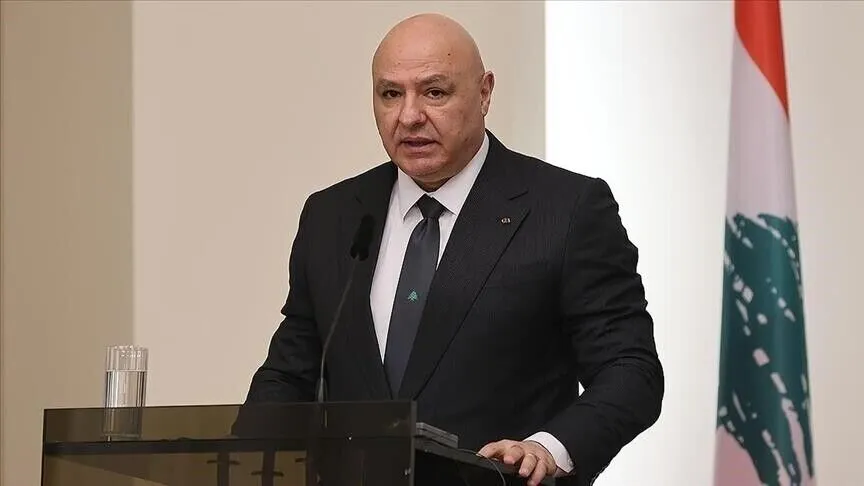
Earlier on Saturday, Lebanese President Joseph Aoun visited Nabatieh, a significant town in southern Lebanon and part of the district where some of the shelling was reported. During his visit, President Aoun made a clear statement regarding diplomatic efforts between the two nations. He confirmed that Beirut is not currently engaged in any talks with Israel. This declaration from the Lebanese head of state comes at a time of heightened military activity and continued cross-border exchanges in southern Lebanon. President Aoun's statement shows the current lack of official dialogue amidst the ongoing security concerns and military actions unfolding in the border region. His visit to Nabatieh itself can be seen as a gesture of solidarity and attention to the affected southern communities.
Reporting and Confirmation Status
The Lebanese National News Agency (NNA), the state-run news outlet of Lebanon, was the primary source reporting the shelling incidents in southern Lebanon. The NNA provided detailed accounts of the locations and timing of the Israeli strikes, offering specific information about the impacts in Wadi al-Salouqi, Kfar Reman, and the outskirts of Arnoun. These reports from Lebanese media channels offer the initial public details of the Saturday events. Despite these full reports from Lebanese sources, the Israeli military has not yet issued any official statement or confirmation regarding the attacks. The absence of immediate confirmation from the Israeli side means that the full details and context of the incident remain unverified by Jerusalem. This situation is consistent with previous cross-border exchanges, where official confirmations or denials from both sides often follow independently, sometimes with a delay, as each party manages its public communications regarding military operations. The lack of an Israeli statement leaves an official information gap concerning their perspective on the reported shelling.
Broader Regional Context
The shelling incidents in southern Lebanon are occurring within a broader regional context of ongoing tensions and military engagements. The border area between Lebanon and Israel has been a flashpoint, experiencing sporadic exchanges of fire and military actions for an extended period. These events frequently involve Israeli military operations, which are often met with responses from various groups operating within Lebanon. The current situation, marked by the reported shelling in Wadi al-Salouqi, Kfar Reman, and Arnoun, reflects the persistent volatility and the delicate security balance in the region. The continuous nature of these cross-border events shows the deep-seated complexities and the potential for escalation that characterizes the Lebanese-Israeli frontier. The recent bombardments serve as a reminder of the ongoing security challenges faced by communities living along this sensitive border.