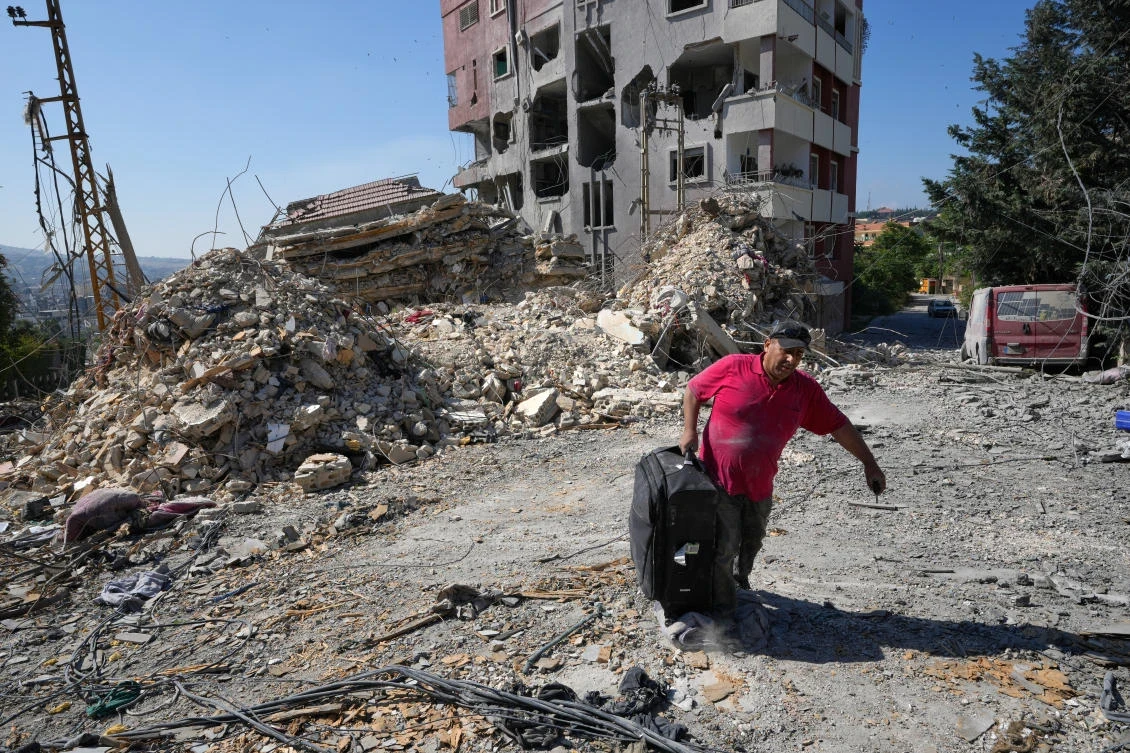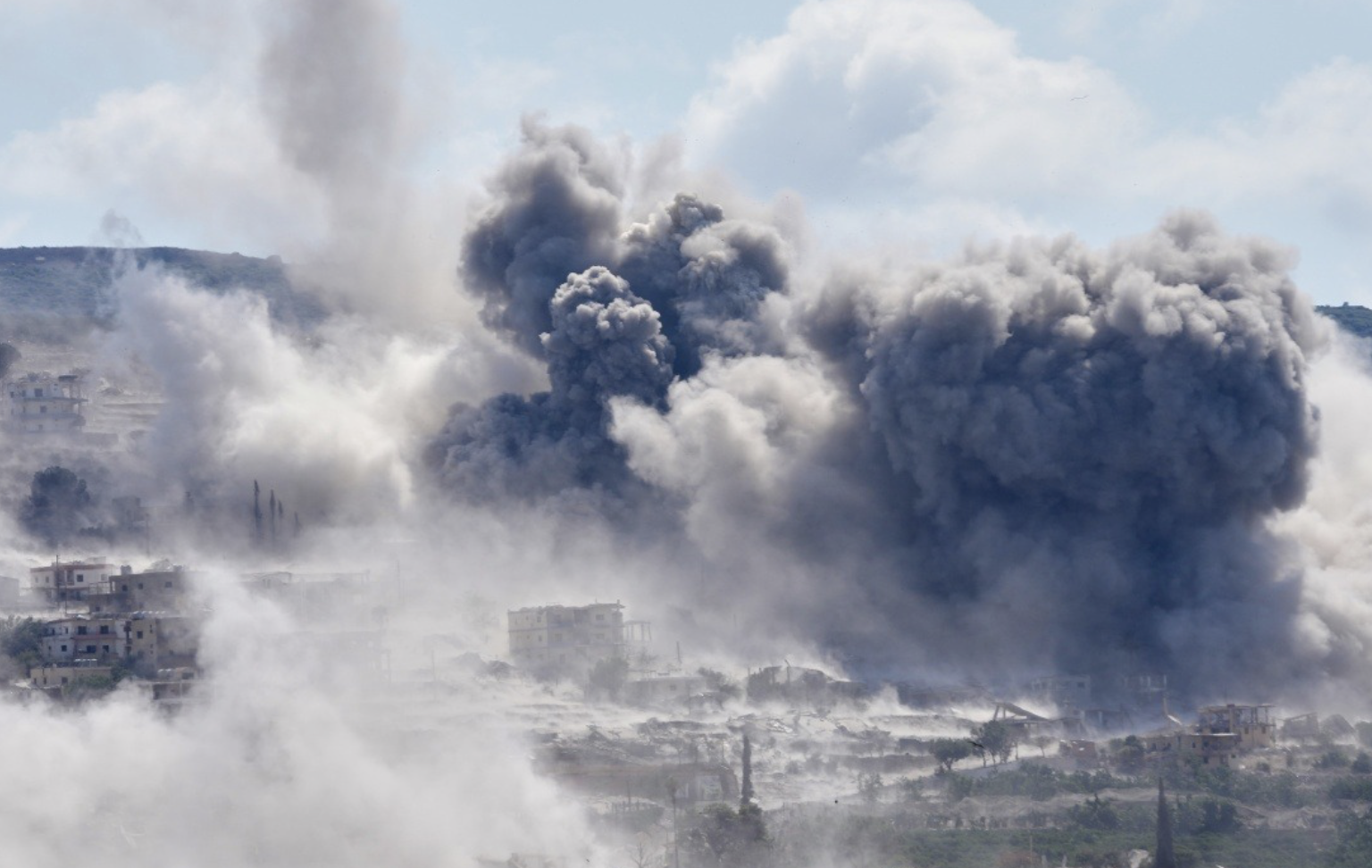
The Israeli army conducted a series of explosions and shelling operations in southern Lebanon early Friday, marking a significant escalation in the region. These actions included an Israeli aircraft strike on Mansouri, which occurred simultaneously with a large explosion at a school. The full nature of these operations suggests a coordinated military effort across various locations within southern Lebanon. Artillery shelling also targeted Wadi al-Hujair during the same period, indicating a broad scope of military engagement. The early Friday operations show the ongoing tensions and military activities in the border area between Israel and Lebanon.
Details of Border Operations and Infrastructure Damage
Israeli forces reportedly destroyed most of the public school in the town of Mansouri, located in the Tyre district, during recent operations. This act of destruction left only a small portion of the building standing following the incident, severely impacting local infrastructure. The strike on the school in Mansouri was particularly notable for its simultaneous occurrence with an Israeli aircraft strike in the same vicinity, suggesting a multi-pronged assault. Separately, at dawn, the Israeli army detonated explosives on the hill of Baraachit, situated within the Bint Jbeil district. These actions occurred as part of ongoing military activities in southern Lebanon, which have seen a consistent pattern of targeted strikes and demolitions. The strategic significance of these locations, particularly in relation to alleged militant infrastructure, remains a key focus of Israeli military operations.
Further north, the Ali al-Taher hill is located between the towns of Kfar Tibnit and Nabatieh al-Fawqa. This geographical feature is positioned north of the Litani River, an area that has seen increased military focus due to its strategic importance and reported presence of various non-state actors. The incidents contribute to a broader pattern of reported military engagements across the border region, noting the persistent state of conflict and military maneuvers. The frequency and intensity of these operations reflect the complex security landscape in southern Lebanon.
Tunnel Destruction and Infrastructure Claims
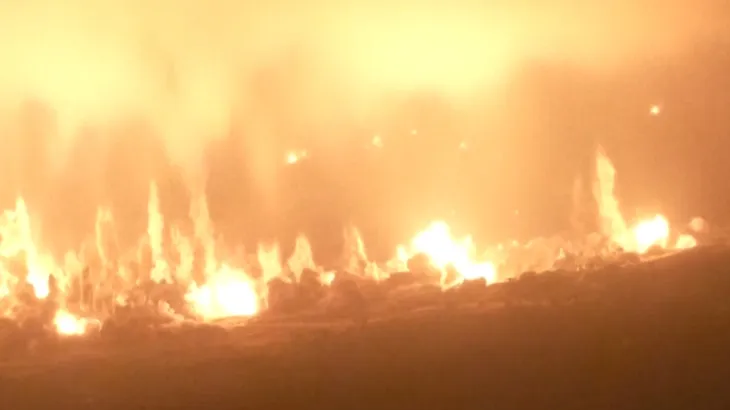
On Thursday evening, the Israeli army carried out a powerful explosion in the Ali al-Taher heights. This significant blast targeted a tunnel network and Hezbollah infrastructure, which Israel claimed extended more than two kilometers. The destruction of this alleged underground network represents a major component of Israel's military strategy in the area, aimed at dismantling what it perceives as threats. Earlier on Thursday, Israeli Prime Minister Benjamin Netanyahu stated that Israel had destroyed what he described as "the largest Iranian site outside Iran," in reference to the Ali al-Taher tunnels. This claim shows the Israeli government's narrative regarding the nature and origin of the infrastructure targeted. This area is part of southern Lebanon, where Israel occupies certain territories. Some of these occupations have persisted for decades, representing long-standing territorial disputes, while others date to the conflict between 2023 and 2024, indicating more recent military gains or control. The Israeli military's focus on these sites aligns with its declared objectives of countering perceived threats originating from Lebanese territory.
Political Context and Framework Agreement
A "framework formula" was signed by Beirut and Tel Aviv on June 26, establishing a basis for future interactions and potentially de-escalating tensions. This agreement outlines a gradual Israeli withdrawal from occupied Lebanese territory, a key demand from the Lebanese side. In exchange, the framework stipulates the deployment of the Lebanese army into these areas, according to reports, aiming to ensure security and stability in the vacated zones. The signing of this formula coincides with an intensifying election campaign in Israel, where Prime Minister Benjamin Netanyahu is actively working to rally and unite his right-wing bloc. The election is scheduled for October 27, and the prime minister's actions and statements are often viewed through the lens of domestic political considerations. Mr. Netanyahu previously described the Ali al-Taher tunnels as "the largest Iranian site outside Iran," a claim made in the context of recent military actions, which also serves to bolster his political standing and national security credentials ahead of the elections. The intersection of military operations and political campaigning adds another layer of complexity to the volatile situation in the region.