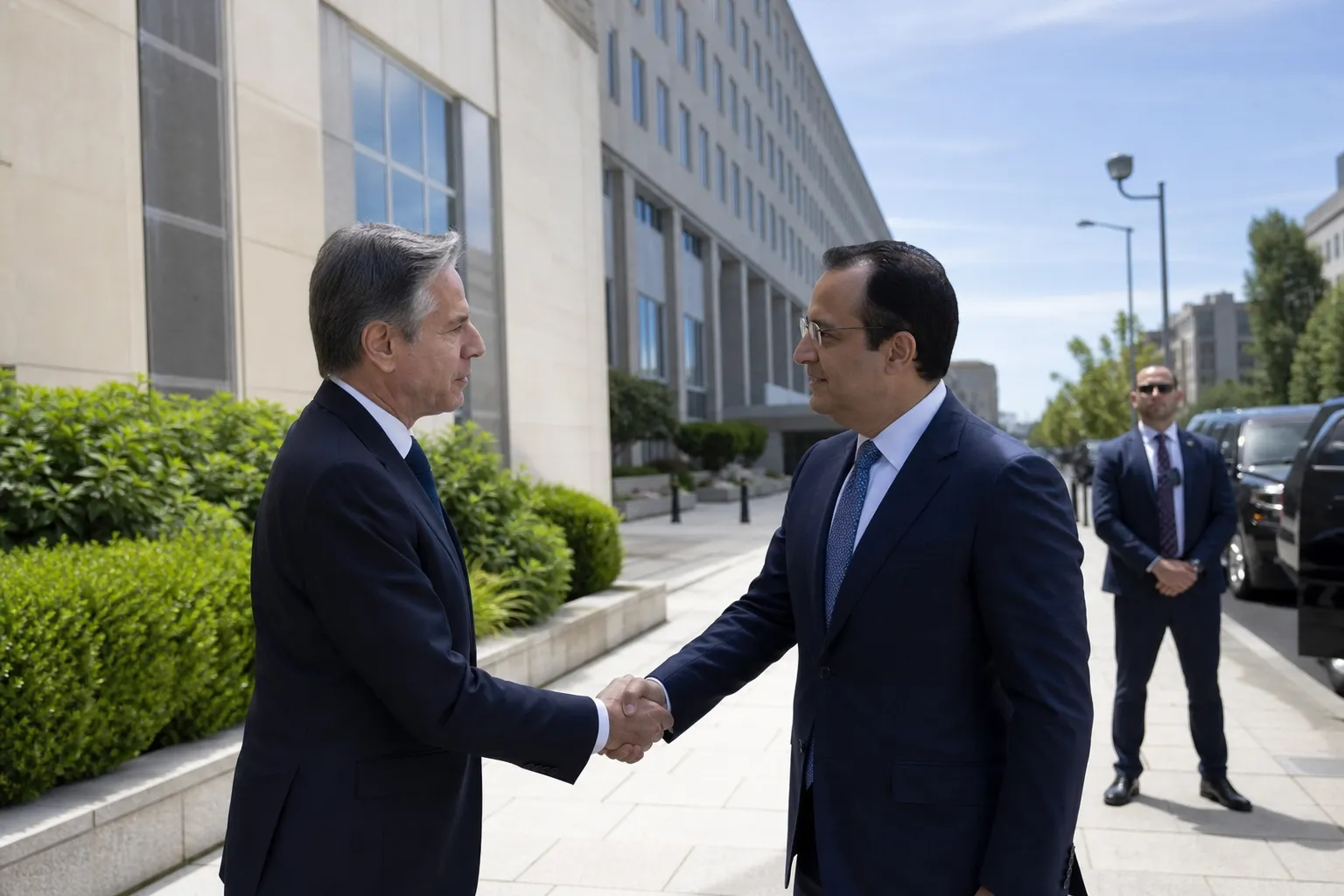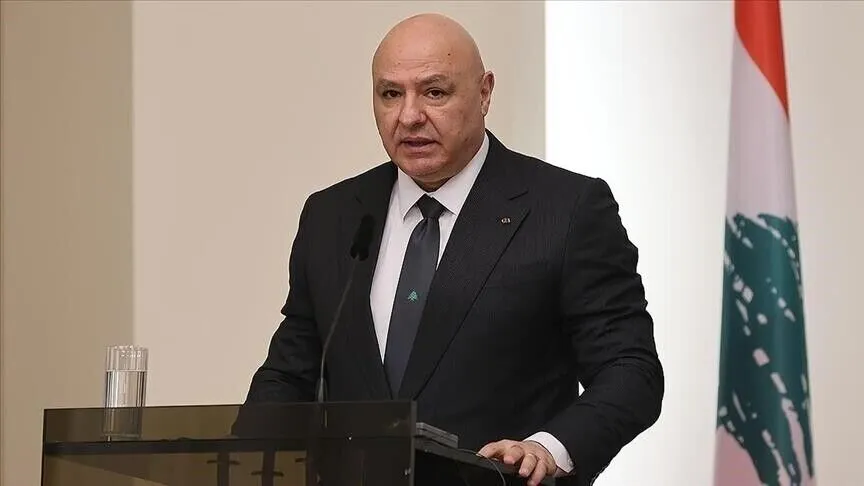
Lebanese President Joseph Aoun stated Saturday that there are "no new negotiations with Israel at present," countering reports of renewed talks. This declaration comes amidst ongoing diplomatic efforts and recent developments concerning the protracted dispute between the two nations. Instead of direct negotiations, Israeli and Lebanese ambassadors are scheduled to meet at the State Department in Washington. This meeting aims to discuss recent developments and the ongoing implementation of the June framework agreement, a key document guiding the disengagement process. President Aoun affirmed that Lebanon's national principles, including "The withdrawal, the return of prisoners and displaced people, and reconstruction," remain commitments his government pledges to implement. These principles form the bedrock of Lebanon's stance in any discussions regarding its southern border.
Negotiations Postponed, New Venue
A US official informed Axios on Friday that the next round of Israel-Lebanon talks, which had been scheduled for Rome next week, has been postponed. The official indicated that the next phase of formal negotiations will now occur in Rome in October. This rescheduling notes the complex nature of the diplomatic process and the careful coordination required for such high-stakes discussions. Direct negotiations between Lebanon and Israel commenced with a US-sponsored meeting in Washington on April 14, marking the initial engagement between the two nations on this issue. That first meeting paved the way for subsequent diplomatic exchanges and the establishment of the framework agreement.
National Principles for Resolution
Israel continues to occupy areas in southern Lebanon, including territory held for decades. These areas also encompass other locations seized during recent wars and military operations. Lebanon's government maintains that the full withdrawal from these territories is a fundamental national principle. This stance shows the long-standing dispute over the contested border regions and the importance of territorial integrity for Lebanon. The Lebanese President has consistently linked any future resolution to the complete implementation of these national principles, which also include the return of prisoners and displaced people, and reconstruction efforts following years of conflict. The commitment to these principles guides Lebanon's approach to any discussions concerning its southern border, ensuring that national sovereignty and the well-being of its citizens remain critical.
Context of Ongoing Conflict
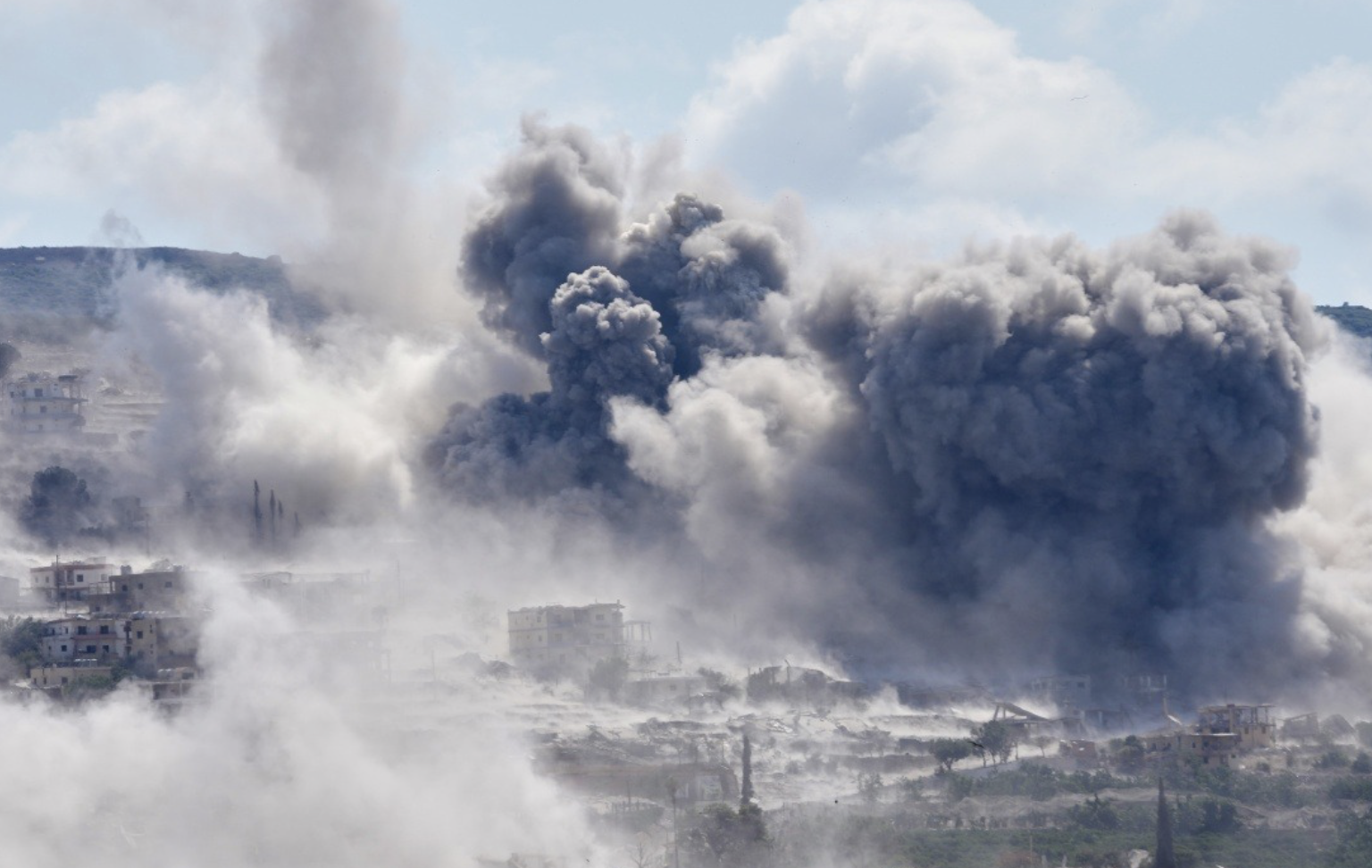
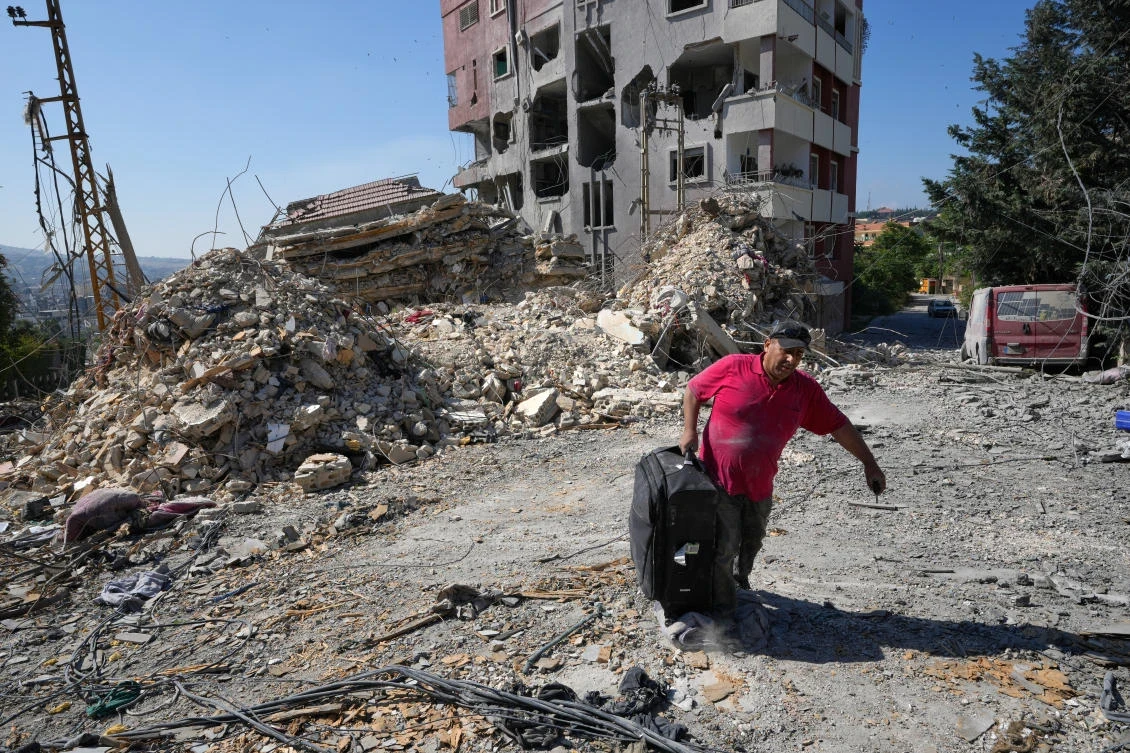
Israeli attacks in Lebanon have killed nearly 4,400 people and injured 12,500 others since March 2, according to official Lebanese figures. This toll notes the ongoing humanitarian impact of the conflict in the region, showing the urgent need for a lasting peace. The sustained military actions have contributed to a volatile environment, further complicating any potential diplomatic efforts aimed at de-escalation and resolution. The Lebanese government has consistently pointed to the need for a full resolution that addresses the consequences of these hostilities, including the significant human cost. The figures show the profound impact experienced by Lebanon amidst the continued tension and military engagements along its border.
President's Stance on Core Issues
Beirut and Tel Aviv signed a US-sponsored framework agreement in Washington on June 26, which outlines a gradual Israeli withdrawal from Lebanese territory. This agreement also provides for the deployment of the Lebanese army into areas vacated by Israeli forces, a key step towards reasserting state authority. The accord represents a structured approach to disengagement in contested border regions, aiming to create a more stable and secure environment. Lebanon's government has consistently affirmed that the full implementation of this agreement, alongside broader national principles, is key for any lasting resolution. The framework aims to establish a more stable security environment along the border, allowing for the reassertion of Lebanese sovereignty in previously occupied zones and contributing to regional stability. The ongoing discussions between ambassadors at the State Department are expected to further these implementation efforts.