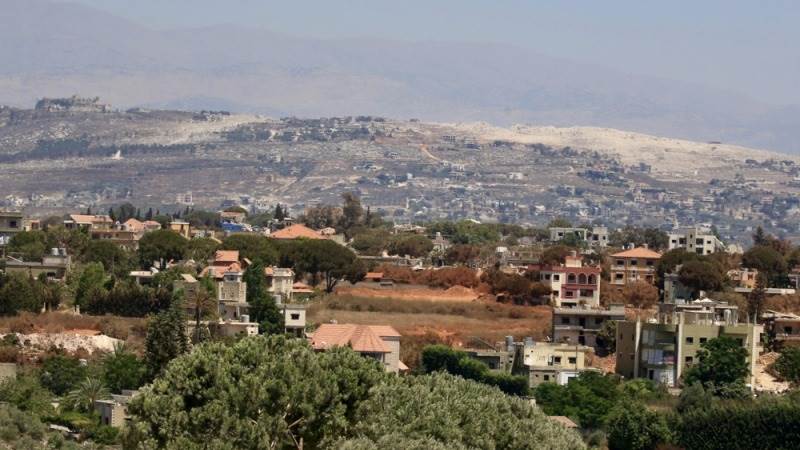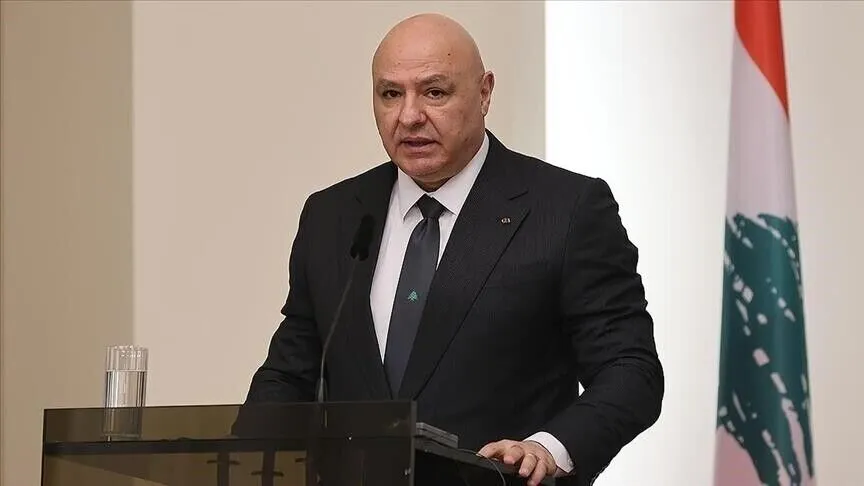
Lebanese President Joseph Aoun made an unannounced visit to the country’s south on Saturday, amidst escalating regional tensions and renewed cross-border hostilities. The surprise trip comes as international efforts continue to de-escalate hostilities along Lebanon's southern border, which has seen a significant uptick in military activity. During his visit, President Aoun toured several locations, including areas near the Ali al-Taher ridge, a site that has recently become a flashpoint in the ongoing conflict. The Ali al-Taher ridge is situated a few kilometers from Nabatieh city, a significant urban center in South Lebanon that has also experienced increased Israeli military operations. President Aoun's presence in the volatile region shows the Lebanese government's focus on the security situation and its commitment to national stability, particularly in the face of renewed cross-border exchanges. His visit aimed to assess the situation on the ground and demonstrate solidarity with residents affected by the heightened tensions.
Strategic Ridge Seized Amidst Escalation
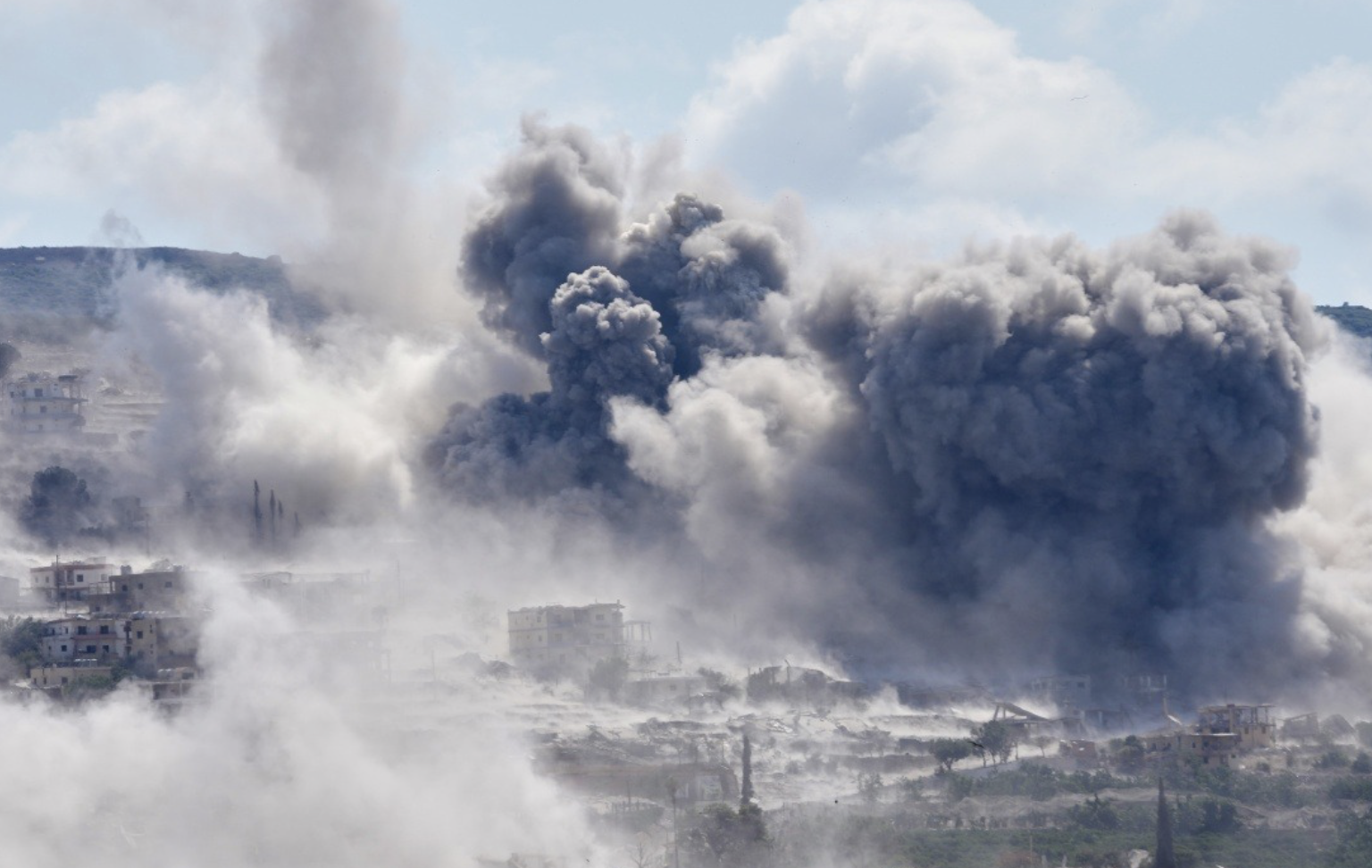
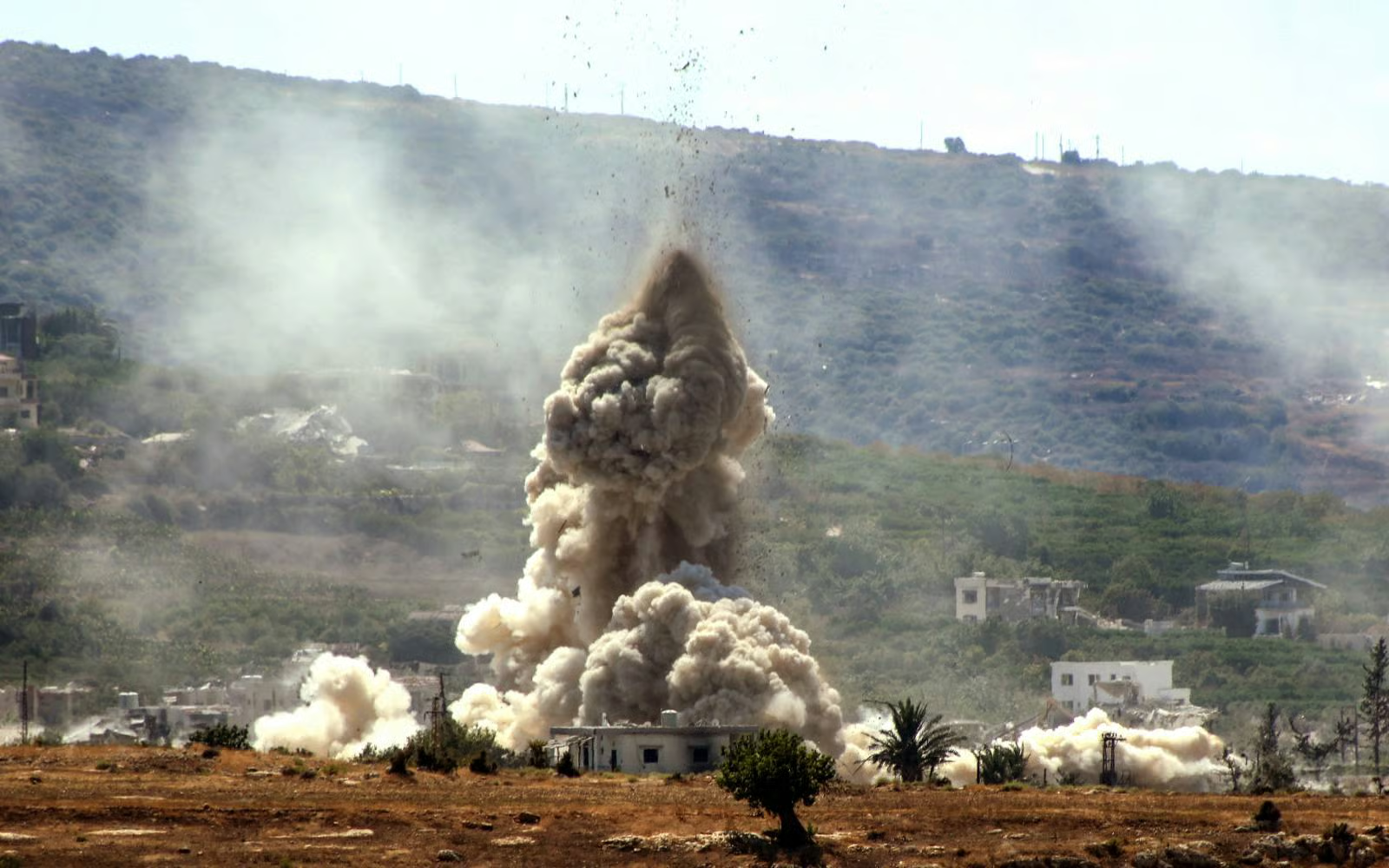
The visit by President Aoun followed significant military developments in the region. On Thursday, Israel blew up underground fortifications on the strategic Ali al-Taher ridge, marking a notable escalation. The explosion was substantial enough to trigger a tremor, which was subsequently detected by various seismic monitoring agencies across the region, indicating the force of the demolition. Following the demolition, Israeli forces seized the Ali al-Taher ridge site, consolidating their presence in the area. This seizure has been viewed as a significant tactical move in the ongoing conflict along the border.
The Israeli military operation on the ridge is part of a broader series of strikes in the area, which have intensified in recent days. These strikes have resulted in significant casualties over the last few days, contributing to the grim toll in the border region. At least 29 people have been killed in the vicinity due to these actions, noting the severe human cost of the escalating conflict. Among the casualties, 12 members belonged to the same family, according to reports, showing the devastating impact on civilian populations. The ongoing military activities in the region contribute to the heightened tensions that President Joseph Aoun’s visit aimed to address. The Ali al-Taher ridge, located a few kilometers from Nabatieh city, remains a focal point of recent developments in South Lebanon, drawing international attention to the precarious security situation. The escalation around this strategic location comes after a period of relative calm, raising concerns about the potential for further destabilization.
Peace Talks Postponed Amidst Renewed Fighting
The recent surge in hostilities has coincided with a setback in diplomatic efforts. A new round of US-brokered talks between Israel and Lebanon has been postponed until October, according to official sources. These key discussions were originally slated to take place next week, aiming to de-escalate the situation and establish a more stable framework for the border region. The delay in these negotiations is seen as a direct consequence of the renewed fighting and heightened tensions.
A period of reduced fighting between Israel and Hezbollah was observed between late June and last week, offering a brief respite from the frequent exchanges of fire. This de-escalation was largely attributed to a US-sponsored framework agreement between the two nations, which had laid out a pathway for a potential resolution. A separate memorandum of understanding between the United States and Iran also contributed to this temporary lull in hostilities, indicating a broader diplomatic effort to calm regional tensions. However, the recent escalation has threatened to unravel these fragile diplomatic achievements.
The framework agreement reportedly includes several key provisions designed to bring long-term stability to the volatile border. Central to the agreement are provisions for the disarmament of Hezbollah, an issue that has long been a point of contention and a primary driver of regional instability. It also outlines a gradual withdrawal of Israeli forces from Lebanon’s south, a move intended to reduce military presence and potential flashpoints. The agreement details the deployment of the Lebanese army to the region, beginning with test areas designated as “pilot zones.” This deployment is envisioned as a critical step towards asserting Lebanese state authority and securing its southern border. The delay in these key talks comes as tensions have once again escalated along the border, raising serious concerns about the stability of the fragile peace efforts and the feasibility of implementing the proposed framework. The postponement leaves a vacuum in diplomatic engagement at a time when it is most needed.
President's Visit and Army Warning on Escalation
During his unannounced tour of South Lebanon, President Joseph Aoun specifically visited the city of Nabatieh, a key urban center that has recently borne the brunt of intensified military actions. His visit occurred as the Israeli army has escalated its attacks in recent days, specifically targeting the Nabatieh region with increased frequency and intensity. The Lebanese President was accompanied by several security officials throughout his engagements in the area, noting the serious security considerations surrounding his trip and the gravity of the situation on the ground. The delegation assessed the damage and met with local officials to discuss the impact of the ongoing hostilities.
Separately, the Lebanese army issued a stern warning on Wednesday regarding Israel's actions, indicating growing concern from Beirut. The army stated that Israel's military activities threatened the implementation of the framework agreement, which aims to de-escalate tensions and secure the border region. This official warning from the Lebanese military shows the perception that recent Israeli operations are undermining the very diplomatic efforts designed to bring peace and stability. The Lebanese army's statement emphasized that continued military aggression risks derailing the delicate progress made towards a lasting resolution, further complicating regional security dynamics and the prospects for future negotiations. The heightened rhetoric from both sides signals a precarious moment for the border region.