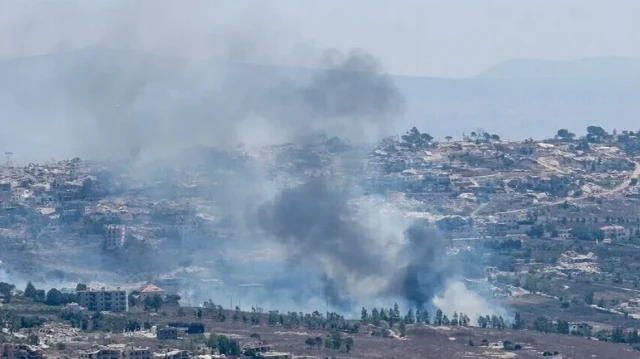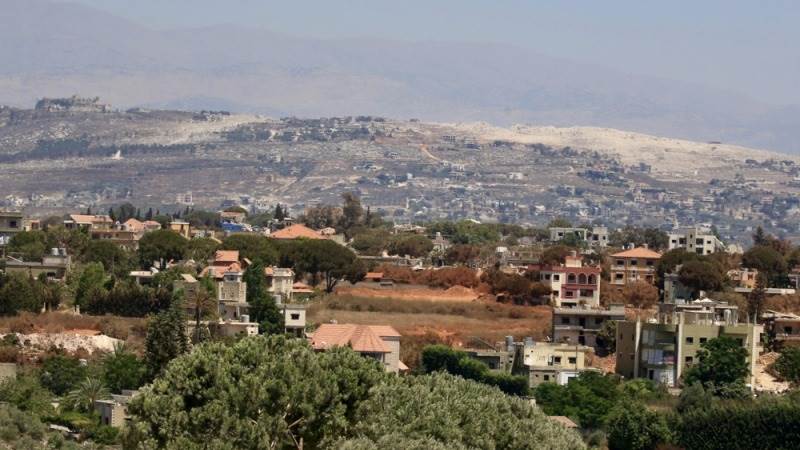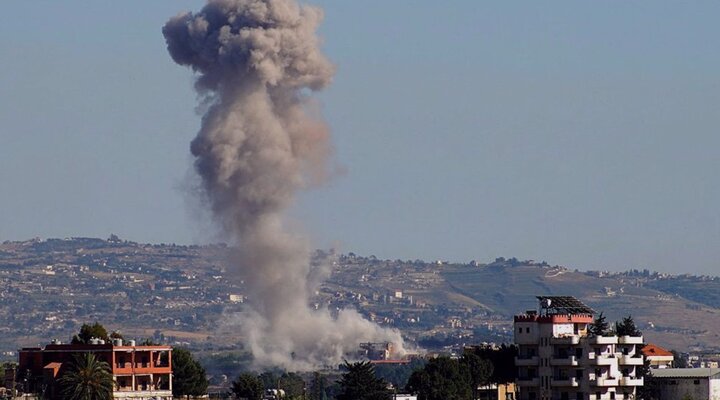
An artillery attack by the Zionist regime targeted Lebanon's Nabatieh region on Sunday morning. The strike occurred in southern Lebanon, a border area where tensions have remained consistently high. The specific location of the shelling within the Nabatieh region was not immediately detailed in initial reports. This incident marks another instance of cross-border fire in the area, contributing to the ongoing volatility observed along the frontier. The timing of the attack on Sunday morning indicates a continuation of military activities that have characterized the region for an extended period. Such actions frequently lead to heightened alert levels among local populations and security forces.
Specifics of the Attack
The Israeli military struck the Zawtar al-Sharqiyah area with artillery fire as part of its operations. This shelling occurred concurrently with reports of an explosion in the town of Khiam, which caused widespread damage. The blast in Khiam was significant enough to shatter windows in several towns located nearby, according to various reports from the vicinity. The incident in Zawtar al-Sharqiyah represents a direct hit by Israeli forces in the region, indicating a specific target or operational objective. The subsequent explosion's impact on Khiam and surrounding communities suggests a powerful event that resulted in property damage across multiple locations, affecting civilian infrastructure. The exact nature of the explosion in Khiam was not immediately specified by any official sources, though its destructive effects were felt broadly in the surrounding area, prompting concerns among residents. The coordination or proximity of these two events—artillery fire in Zawtar al-Sharqiyah and the explosion in Khiam—notes the complex and dangerous security environment.
Broader Military Campaign Context
The Israeli regime has maintained its military campaign across southern Lebanon, according to reports, despite a US-brokered "ceasefire" agreement. This sustained activity includes the execution of air raids and ground operations, which have been consistently reported in the border region. The ongoing campaign has resulted in deadly incidents within the region, impacting both combatants and civilians. The persistence of these military actions suggests a continuation of broader engagements in southern Lebanon, indicating that strategic objectives are still being pursued. The "ceasefire" arrangement, brokered by the United States in an effort to de-escalate tensions, has evidently not halted all military activities, as evidenced by the reported air raids and ground operations. This situation indicates that despite diplomatic efforts to establish a cessation of hostilities, military operations continue to impact the area, leading to continued instability and risk. The nature of these operations, encompassing both aerial and ground assaults, shows the full scope of the campaign.
Ongoing Regional Tensions
The broader regional context remains tense following the reported artillery strikes in Lebanon's Nabatieh region, particularly given the ongoing military posture. Military actions by the Israeli regime in southern Lebanon have continued unabated, despite previous diplomatic efforts aimed at de-escalation. Reports indicate that the Israeli regime has maintained its military campaign in southern Lebanon, including conducting regular air raids and ground operations. This ongoing campaign has led to numerous deadly incidents in the area, contributing to a significant humanitarian and security challenge. The United States had brokered a "ceasefire" in an attempt to stabilize the situation, but military activities have persisted, suggesting a complex and volatile security landscape that defies easy resolution. The continued operations show the persistent instability across the border region, directly impacting communities such as Zawtar al-Sharqiyah and Khiam, which bear the brunt of these military exchanges. These events contribute to sustained heightened alert levels throughout southern Lebanon, where residents and authorities remain vigilant amidst continuous cross-border incidents. The situation notes the fragility of any existing diplomatic agreements in the face of ongoing military objectives.