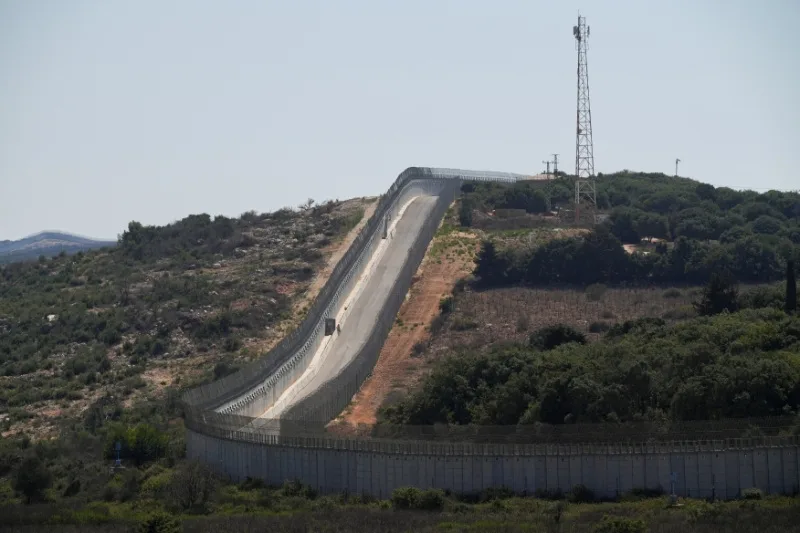
Israel and Lebanon are set to hold security talks in Rome in October, according to official statements. The meeting, which will be brokered by the United States, aims to address ongoing security concerns between the two nations. This diplomatic engagement represents a significant effort to de-escalate tensions in the region, which have seen a sharp increase in hostilities in recent months. The upcoming discussions are a critical step in the persistent international efforts to foster stability along the volatile border.
Upcoming Diplomatic Efforts
The Lebanese and Israeli ambassadors are scheduled to meet in Washington next week, according to diplomatic sources. This high-level engagement shows the continuous diplomatic push to find common ground between the historical adversaries. This upcoming meeting follows the seventh round of negotiations in Rome, which concluded in August without a breakthrough on key territorial issues. Previous discussions have focused extensively on maritime and land border disputes, which have historically been a persistent source of tension and occasional conflict between the two countries. The failure of the August talks to yield significant progress notes the inherent complexities involved in resolving these long-standing disagreements and the deep-seated mistrust that often characterizes bilateral relations. Observers suggest the Washington meeting will aim to build key momentum for future security discussions and potentially lay the groundwork for addressing outstanding issues left unresolved in Rome, paving the way for more substantive talks. The involvement of the United States as a mediator is considered vital in navigating these intricate diplomatic challenges.
Escalating Border Conflict
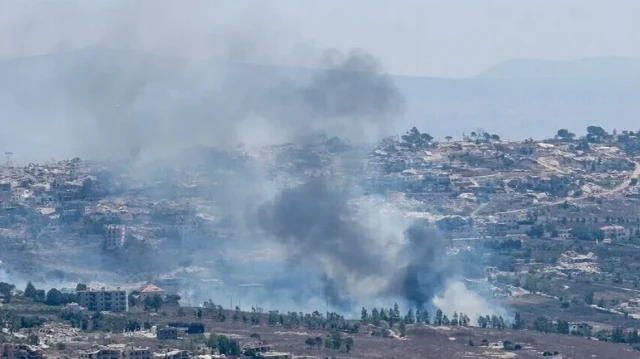
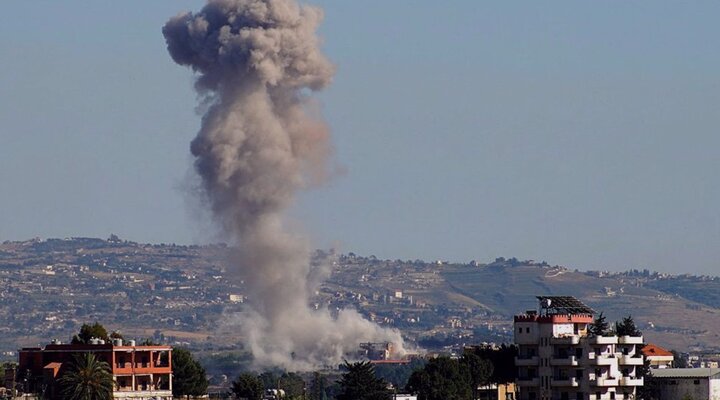
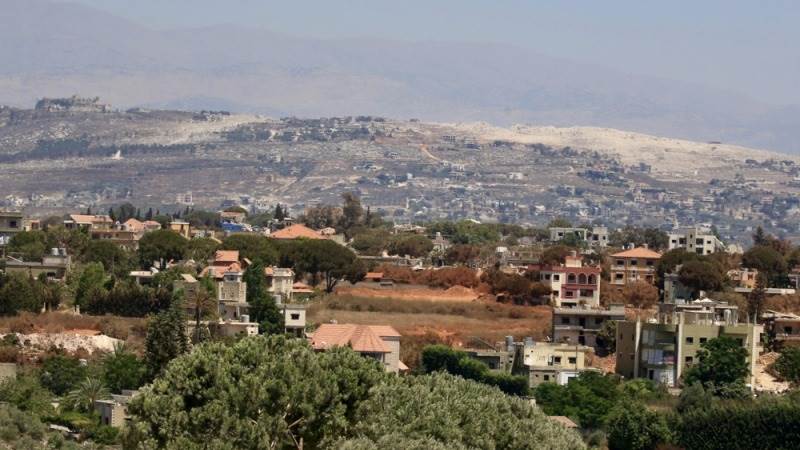
Hezbollah and Israel returned to war on March 2 amid the wider regional conflict, marking a significant escalation in hostilities between the two parties. This renewed conflict has intensified security concerns along their shared frontier, leading to considerable instability and a heightened military presence on both sides. In response to the ongoing clashes, Israel's military has established and is currently occupying what it describes as a 'buffer zone' extending approximately 10 km (6 miles) into Lebanese territory. This zone spans the entire length of the Israeli border with Lebanon, effectively creating a demilitarized area from Israel's perspective but representing a significant territorial incursion from Lebanon's viewpoint. The continuous presence of Israeli forces within Lebanese territory shows the volatile nature of the border region and the heightened military posture adopted by both sides since the resumption of open conflict. This situation has led to severe humanitarian consequences and a significant displacement of populations near the border.
U.S. Mediation Role
The upcoming meeting in Rome is slated to address a U.S.-brokered security agreement, which aims to de-escalate hostilities along the shared border between Israel and Lebanon. This diplomatic initiative comes amidst an intensified conflict in the region, making the need for a viable security framework more urgent than ever. According to Lebanon's health ministry, Israeli strikes in Lebanon have resulted in the deaths of more than 4,300 people since March, a grim statistic that notes the human cost of the ongoing conflict and the imperative for peace. The proposed security agreement seeks to mitigate the ongoing violence, establish a more stable environment along the frontier, and potentially prevent further escalation. The United States continues to play a key role in these negotiations, acting as a key facilitator in discussions that are often fraught with historical grievances and contemporary geopolitical complexities. The international community views these talks as essential for preventing a wider regional conflagration and ensuring the safety and security of civilians on both sides of the border.