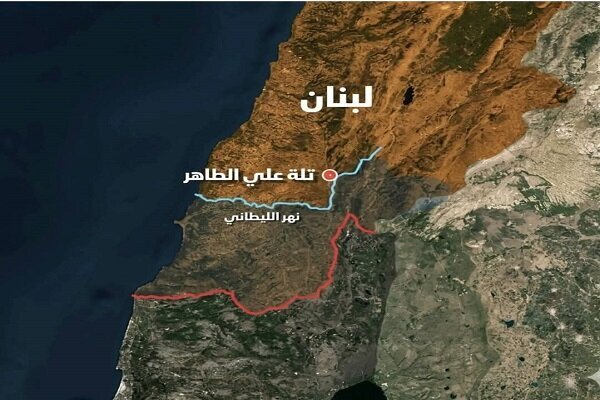
Reports circulating on some social media platforms alleging that Islamic Revolutionary Guard Corps personnel were trapped in tunnels within the Ali al-Taher area of southern Lebanon have been debunked. These claims, which suggested the presence of Iranian forces in the Lebanese territory, have been definitively refuted. Specifically, claims circulating on some social media channels that a number of Islamic Revolutionary Guard Corps personnel were trapped in these subterranean structures are false. The tunnels in question are located in southern Lebanon, specifically in the Ali al-Taher area, a region that has seen increased military activity. The misinformation had suggested a direct involvement of Iranian military forces on Lebanese soil, which has now been clarified.
Israeli Operation Details
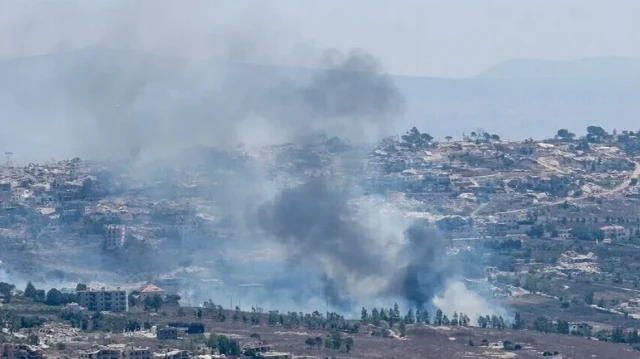
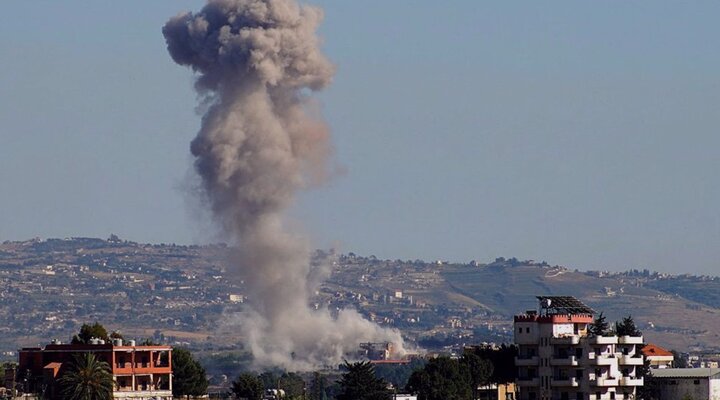
The Israeli military announced the destruction of Hezbollah's underground infrastructure located in the Ali al-Taher heights. This operation targeted what the military described as significant components of the group's subterranean network in southern Lebanon. The announcement specified that the military employed a substantial quantity of explosives to achieve this objective. The operation aimed to neutralize key elements of Hezbollah's strategic capabilities in the border region. To destroy two underground routes within the Ali al-Taher area, Israeli forces utilized more than 1,100 tonnes of explosives. This massive deployment of ordnance shows the scale and intensity of the military action undertaken. This action marks a direct engagement with Hezbollah's established infrastructure in the region, according to statements from the Israeli military, indicating a focused effort to dismantle the group's operational capabilities. The precise targeting of these underground routes notes the intelligence and operational planning involved in the military's strategy.
Hezbollah Presence and Casualties
Information indicates that forces stationed in the two tunnels targeted by the Israeli military's operation and explosions were Hezbollah fighters, not personnel from the Islamic Revolutionary Guard Corps (IRGC). This clarifies the identity of the individuals present in the subterranean infrastructure in the Ali al-Taher area of southern Lebanon, directly refuting earlier social media assertions. The presence of Hezbollah fighters shows the nature of the conflict and the direct involvement of the Lebanese group in the targeted infrastructure.
A total of 48 Hezbollah fighters were reportedly present within the two tunnels at the time of the Israeli military's actions. This figure provides a clear indication of the number of personnel deployed within these underground facilities. The operation involved the use of over 1,100 tonnes of explosives, targeting the underground routes with considerable destructive force. During these Israeli attacks, eight Hezbollah fighters were martyred. This casualty count confirms the human cost of the operation for Hezbollah. The operation focused on dismantling what the Israeli military described as significant components of Hezbollah's subterranean network in southern Lebanon, aiming to degrade their operational capacity in the area.
Clarifying Misinformation
Misinformation regarding the identity of those targeted in the Ali al-Taher area of southern Lebanon has been addressed. Initial reports on some social media platforms suggested that Islamic Revolutionary Guard Corps personnel were trapped in tunnels, leading to widespread but unsubstantiated claims. However, information indicates that the forces stationed in the two tunnels targeted by the Israeli military's operation were Hezbollah fighters. This clarifies the identity of individuals within the subterranean infrastructure in southern Lebanon, correcting the narrative surrounding the incident. The Israeli military announced the destruction of Hezbollah's underground infrastructure in the Ali al-Taher heights, utilizing over 1,100 tonnes of explosives for the operation. A total of 48 Hezbollah fighters were reportedly present in the targeted tunnels, with eight martyred during the attacks. These details provide a full picture of the events and the entities involved.