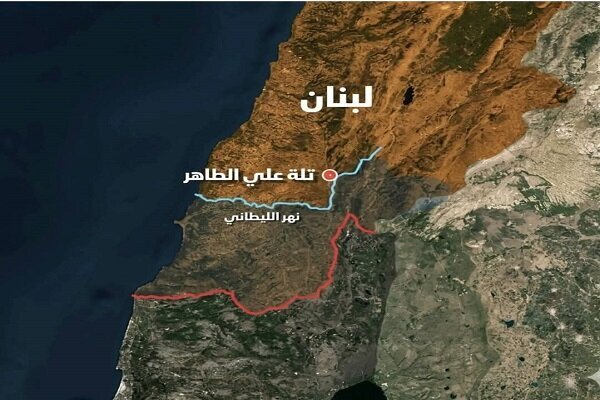
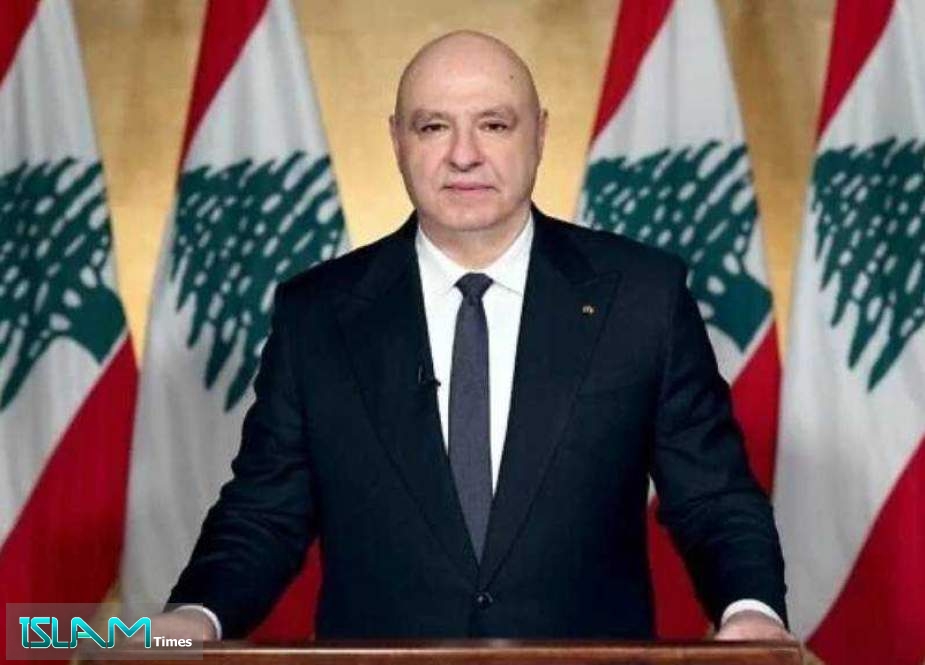
Lebanon's cabinet has approved a draft law aimed at preventing the sale or transfer of property in areas of southern Lebanon currently occupied by Israeli forces. This significant decision, reflecting the nation's commitment to protecting its territorial integrity and the rights of its citizens, was made during a cabinet session chaired by President Joseph Aoun at Baabda Palace on Thursday. The proposed bill seeks to prevent property owners from being exploited during the country's severe economic crisis, which could otherwise encourage them to sell their land at significantly reduced prices. This proactive measure underlines the government's determination to safeguard national interests by limiting transactions in these sensitive border regions, particularly given the ongoing geopolitical complexities. The government's objective is to ensure that vulnerable citizens are not pressured into transactions that could have long-term detrimental effects on national sovereignty and individual livelihoods.
Legislative Details and Purpose
The proposed bill will now be referred to parliament for further consideration, where it will undergo detailed scrutiny and debate before potentially becoming law. Under the draft law, property transactions in the occupied areas of southern Lebanon would be explicitly prohibited and frozen under exceptional circumstances. This full ban is designed to halt any opportunistic acquisitions or sales that could undermine Lebanon's position in the region. Finance Minister Yassine Jaber initially proposed the bill, noting the urgency and strategic importance of addressing this issue. His proposal showed the government's concern over potential exploitation of the current economic downturn to facilitate land transfers that might compromise national security or the rights of Lebanese citizens.
The legislation includes specific exemptions for transactions that occurred prior to a key date, ensuring that legitimate past dealings are not retroactively invalidated. Specifically, contracts, sales agreements, and irrevocable powers of attorney registered before October 8, 2023, would be exempt from the proposed restrictions. This measure aims to prevent new sales while acknowledging existing legal arrangements and providing a clear cut-off point for the new regulations. The government's initiative also operates within the broader framework of Lebanese constitutional law, which safeguards individual ownership rights. Private property is explicitly protected under Article 15 of Lebanon's constitution, and the proposed law is designed to uphold these rights by preventing coercive or exploitative transactions rather than infringing upon legitimate ownership.
Context of Conflict and Displacement
The legislative move comes amidst a tense regional climate, with a ceasefire agreement having become effective approximately three months ago. This period of relative calm follows intense exchanges and ongoing instability in the border regions. Lebanon has consistently called for an end to Israeli attacks and has urged the implementation of the framework agreement signed in Washington on June 26. This agreement is seen as key for de-escalating tensions and establishing a more stable environment in the south. The prolonged conflict and insecurity have had a profound impact on the local population, with many residents of southern Lebanon having been displaced from their villages and homes due to ongoing circumstances. This displacement has left many properties vacant or their owners in precarious financial situations, making them potentially susceptible to exploitative offers. The government's legislation aims to protect these vulnerable populations from further hardship and ensure their eventual return to secure properties.
Following Israel's withdrawal from most of southern Lebanon in 2000, millions of square meters of Lebanese state-owned communal land experienced encroachment and illegal occupation. This historical context provides a backdrop to the current concerns regarding property ownership and notes the long-standing challenges faced by the region. The government's current measures are not unprecedented in their scope to protect property in times of crisis. For instance, following the devastating Beirut port explosion on August 4, 2020, the Culture Ministry temporarily prohibited transactions involving damaged properties in the affected areas. This demonstrated a clear precedent for such protective interventions aimed at preventing speculative buying or exploitation of distressed property owners in the aftermath of a national calamity. The displacement of residents and the historical context of land issues in the south further show the sensitive nature of property ownership in these areas. The government's action aims to prevent further exploitation of vulnerable populations and safeguard national assets in a region consistently marked by conflict and instability.
Concerns and Precedents
Israel controls more than 60 villages and towns in southern Lebanon, an extensive area where property sales are now subject to the proposed ban. Within these occupied areas, Israeli forces are reportedly carrying out demolitions, explosions, and earthworks that specifically target homes, buildings, infrastructure, and agricultural land. These actions contribute significantly to the sensitive and volatile context surrounding property ownership in the region, raising concerns about the long-term viability and integrity of Lebanese land. The ongoing destruction of property and infrastructure further complicates the situation for displaced residents and shows the need for strong protective measures.
Government sources have expressed a serious concern that individuals linked to Israel could potentially be behind attempts to acquire land through deceptive practices in southern Lebanon. This concern shows the government's primary motivation to prevent exploitation of vulnerable property owners amidst the ongoing crisis and the broader geopolitical tensions. The potential for such acquisitions to alter the demographic or ownership landscape of these sensitive border areas is a significant national security consideration. However, officials noted that no such cases of land acquisition by individuals linked to Israel had been identified so far, indicating that the legislation is a proactive measure rather than a response to confirmed incidents. The proposed legislation aims to proactively address these potential risks before they materialize, thereby protecting national interests and the rights of Lebanese citizens in the occupied territories from future exploitation.