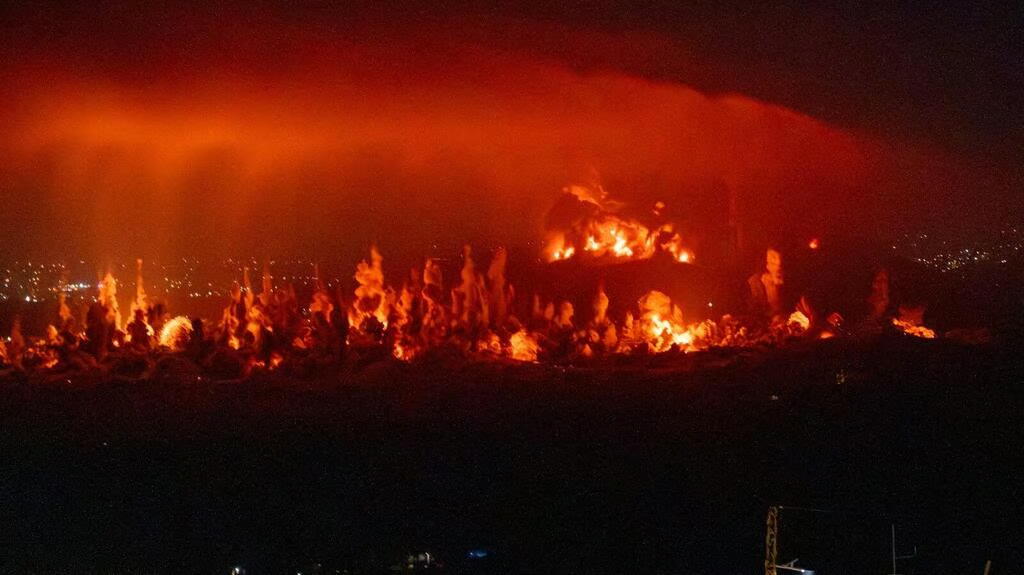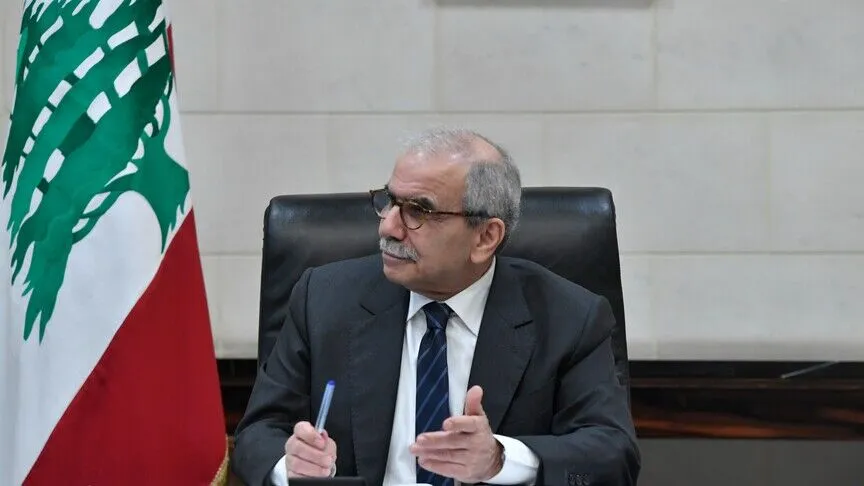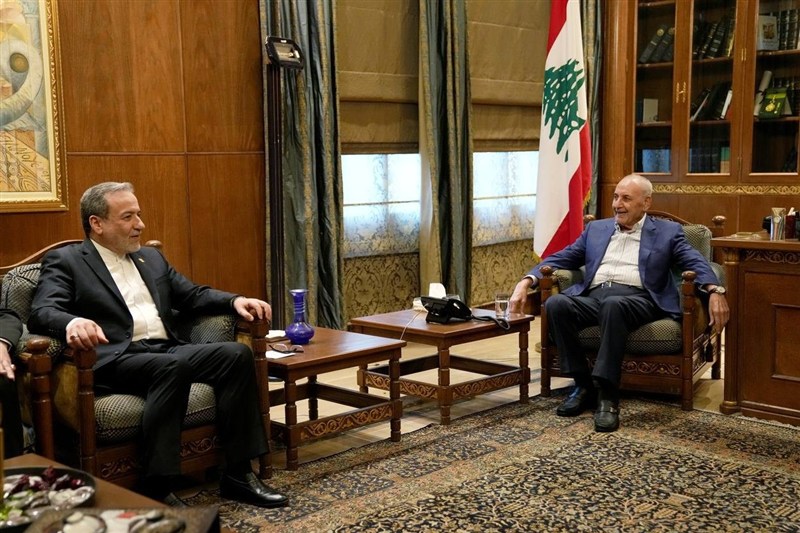
Iranian Foreign Minister Abbas Araqchi and Lebanese Parliament Speaker Nabih Berri discussed regional developments and coordinated efforts to counter Israeli aggression during a telephone conversation on Monday night. The two officials addressed Israeli actions against Lebanon and other regional countries, emphasizing the need for a unified response. Their discussion focused on strategies to respond to ongoing aggression in the region, noting the shared concerns between Tehran and Beirut regarding regional stability. The high-level exchange showed the continuous diplomatic engagement between the two nations as they navigate complex geopolitical challenges.
Iran's Stance on Lebanon
Iranian Foreign Minister Abbas Araqchi reaffirmed Iran’s commitment to Lebanon’s national sovereignty and territorial integrity during his conversation with Lebanese Parliament Speaker Nabih Berri. Araqchi stressed Tehran’s full support for Lebanon’s resistance against Israeli occupation and aggression, reiterating a long-standing policy of the Islamic Republic. The Iranian official's remarks show Iran's consistent position regarding regional stability and its unwavering backing for Lebanon in the face of external threats. This stance aligns with previous declarations from Tehran concerning Lebanon's security and its right to self-defense. Araqchi emphasized the importance of a unified front to address ongoing challenges posed by Israeli actions, suggesting a coordinated approach to regional security matters. His statements reiterated Iran's readiness to cooperate with Lebanon to safeguard its borders and national interests, promising continued diplomatic and political assistance. The dialogue further solidified the strategic alliance between Iran and Lebanon, particularly in their shared objective of countering perceived Israeli hostilities.
Lebanese Concerns and Appeals
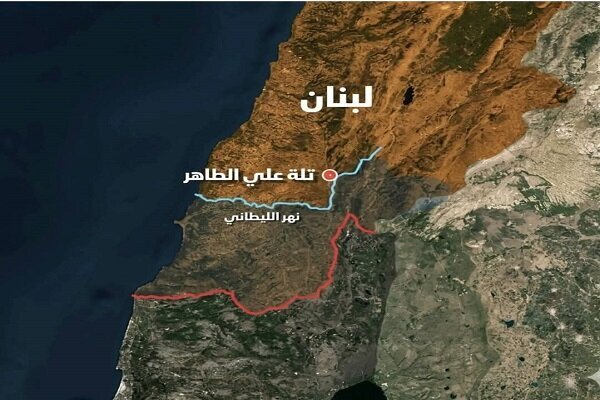
Lebanese Parliament Speaker Nabih Berri informed Iranian Foreign Minister Abbas Araqchi about the recent developments in southern Lebanon during their telephone discussion. Berri provided a full update on the situation, detailing the challenges and violations occurring in the border regions. Berri showed the international community's and Islamic countries' legal and moral responsibility to intervene and halt the Israeli regime’s violations against Lebanon. He further emphasized the need to hold those responsible for these actions accountable, advocating for justice and adherence to international law. Speaker Berri's briefing provided a detailed overview of the ongoing situation, noting the pressing challenges faced by Lebanon in its southern region. His appeal to the international community and Islamic nations stressed the urgency of addressing these violations and ensuring accountability for transgressions against Lebanese sovereignty. This call for international action reflects Lebanon's reliance on broader support to confront the ongoing security issues. The detailed briefing served to align the perspectives of both nations on the critical developments impacting Lebanon's security.
Mutual Support and Coordination
Lebanese Parliament Speaker Nabih Berri conveyed his appreciation to Iran for its consistent support for Lebanon. This expression of gratitude came during his telephone conversation with Iranian Foreign Minister Abbas Araqchi, acknowledging Iran's steadfast solidarity. Their discussion focused on ongoing efforts to counter Israeli aggression and coordinate responses to regional developments, reflecting a shared strategic outlook. Berri's acknowledgment noted the strong bilateral ties between the two nations and Iran's key role in supporting Lebanon's position against external threats. The exchange showed the continued diplomatic engagement between Beirut and Tehran concerning regional security and stability, reinforcing their collaborative approach. The leaders committed to maintaining open lines of communication and further coordination to address the evolving regional landscape. This mutual commitment to support and cooperation is central to their strategy for confronting perceived threats in the Middle East.